


Twenty years after the settlement of Homesh was evacuated under Israel’s disengagement plan, it is now thriving again. The return has been seamless. While the access road remains unstable, the transformation on the ground is unmistakable.
The yeshiva, established a few years ago, is growing; families with children stroll along trails, and there’s even a playground. Residents already anticipate sovereignty being declared.

“Just months after the expulsion, people were already trying to come back inside,” recalls Rabbi Menachem Ben Shachar of the Homesh Yeshiva. “We would sit and study every day, day in and day out, in tents. There was nothing—no army or police. The whole stretch from Shomron Heights to Jenin was teeming with terrorists, and whenever the IDF or border police raided we’d close our books and run to help.” For him, today’s Homesh is nothing short of a miracle. “It’s astonishing. I always believed we’d return, but not this fast,” the rabbi said.
'One Netanyahu decision away': Driving settlement forward
The current political earthquake in Israel—among the most significant national crises ever—has accelerated broader messaging from Western nations regarding sovereignty over the West Bank and the potential annexation of Gaza. Many settlers believe Israel is very close to applying sovereignty or annexing those areas. “It’s one Netanyahu decision away,” says Shomron Regional Council head Yossi Dagan.
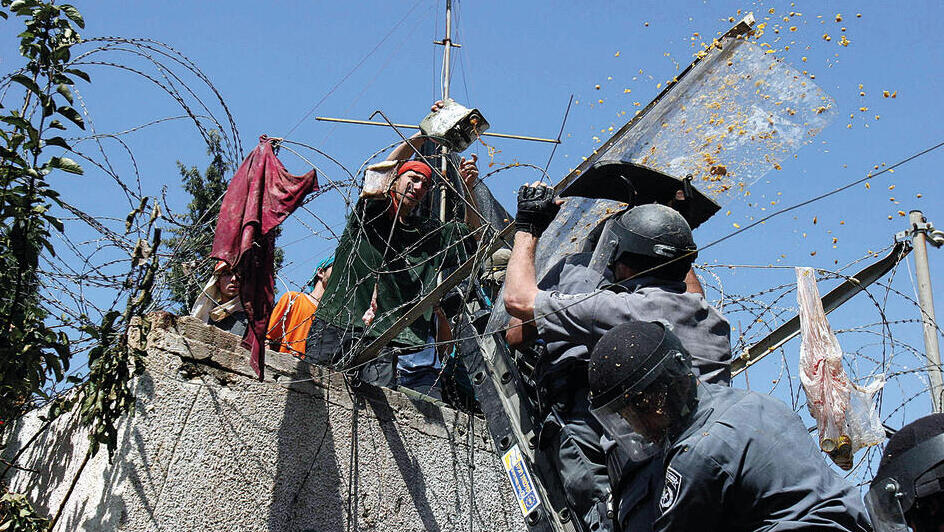
The clashes between residents and security forces in Homesh during the disengagement
(Photo: Amit Shabi)
Since taking office in December 2022, the right‑wing government has taken bold steps to expand settlements in Homesh and northern Samaria, including repealing the disengagement law. In March 2023, the Knesset passed legislation canceling sections of the disengagement law that prohibited Israeli entry and return to evacuated settlements in northern Samaria, including Homesh. This marked the first legal reopening of a site evacuated by government decree, facilitating the growth of the yeshiva, which has become emblematic of the renewed settlement.
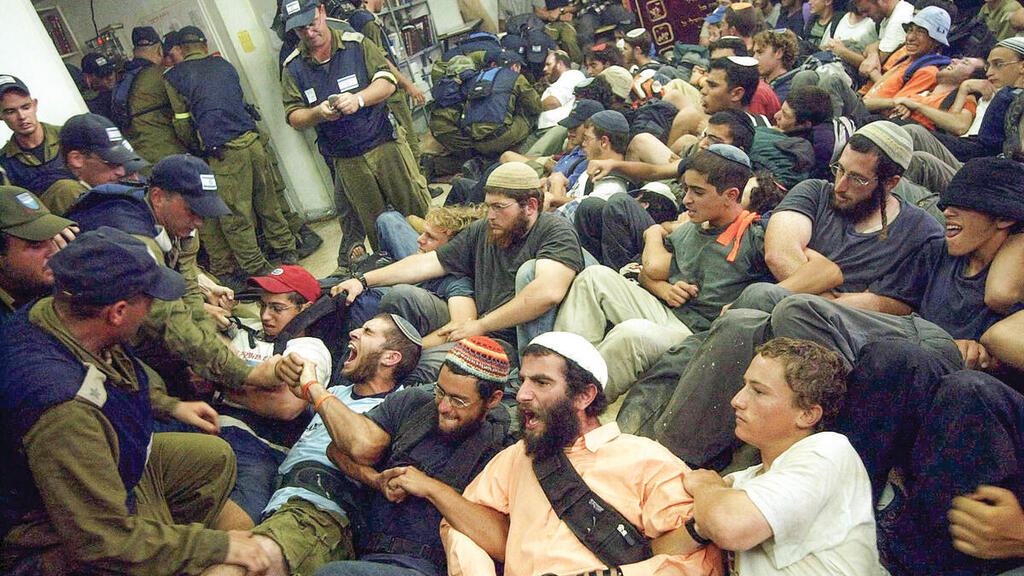
The disengagment in 2005
(Photo: Alex Kolomoisky)
However, the law stopped short of authorizing permanent new communities—it simply removed legal barriers to Israeli presence. Nonetheless, Homesh has gained momentum with many new structures, an expanded yeshiva and families quietly relocating. Settlers are now planning to reestablish the settlement of Sa-Nur. With government approval secured, implementation is underway: the IDF is preparing roads, and there is significant demand for residency.
This legal and infrastructural push has drawn sharp international criticism from the U.S. and EU, who consider such moves violations of international law. In response, the Israeli government argues these actions correct a historical injustice from the disengagement.
Closest to annexation since ’67
Treasury Minister Bezalel Smotrich established the Regulation Authority—an entity above the Civil Administration and under the Defense Ministry—and granted it legal powers that extend governmental control beyond the Green Line. Many view this as the most significant push toward annexation since 1967. Just two weeks ago, on the eve of recess, the Knesset passed a declaration by a 71‑member majority calling for sovereignty in the West Bank and the Jordan Valley. Speaker Amir Ohana called it a “historic declaration” affirming Israel’s permanent presence.
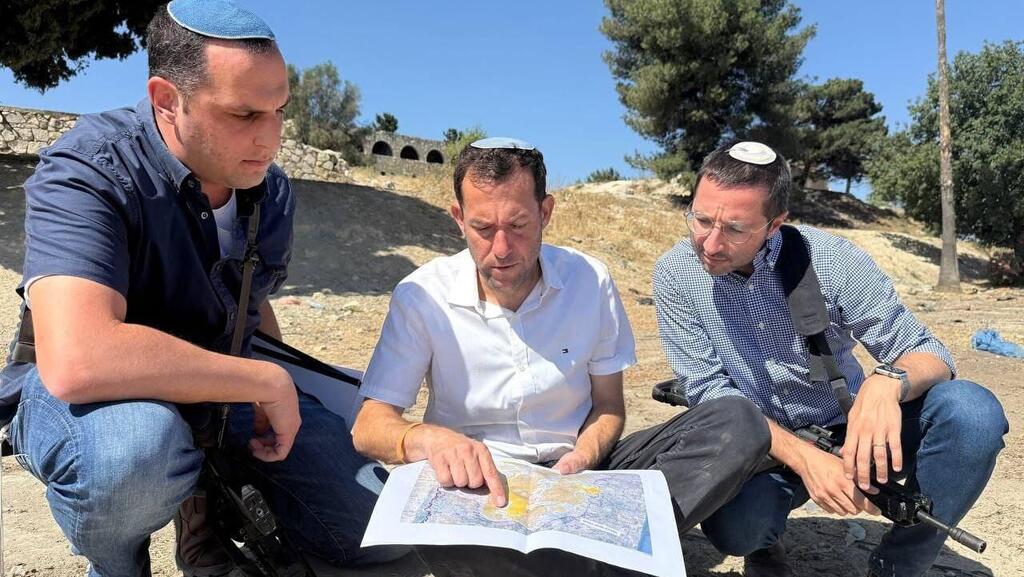
Shomron Regional Council head Yossi Dagan
(Photo: Shomron Regional Council)
Shomron Regional Council head Dagan, himself expelled from Sa-Nur during disengagement, explains his path: “Why did they expel us if it remained Area C? What made sense? They even erred in Gush Katif, but why in northern Samaria if you aren’t giving up security control there? I became council head because of that expulsion.”
'To hell—why would Israel abandon this?'
Twenty years have passed since the evacuation of four settlements in northern Samaria. While attention was largely focused on Gush Katif, northern Samaria settlements were somewhat forgotten. They were evacuated as a perfunctory gesture to the Americans by then‑prime minister Ariel Sharon. But the pain endured by evacuees remains today.
Get the Ynetnews app on your smartphone: Google Play: https://bit.ly/4eJ37pE | Apple App Store: https://bit.ly/3ZL7iNv
“Twenty‑four hours before the expulsion, we moved to Morag with our three kids,” recalls Rabbi Ben Shachar. “The atmosphere was heavy because we knew it was coming, though some were in denial. After the evacuation, I felt I couldn’t be anywhere but Homesh. I remember standing, looking at the hills and the settlement and saying, ‘To hell, why would Israel abandon this?’”
Dagan also remembers it vividly. “I recall it day and night. Standing on the ancient fortress roof in Sa-Nur, where artists had galleries, watching them being dragged along the main road below us. Across the hill stood about a hundred terrorist supporters from the village of Jaba—waving PLO and Hezbollah flags, singing and dancing.”
Aside from their aspiration for Shomron sovereignty, settlers are considering the future of Gaza and whether renewed settlement in the north is a realistic ambition. Gush Katif residents recently awarded Dagan a prize and urged him to leverage his political influence to help reestablish settlements in Gaza.