

The High Court in London on Friday upheld an appeal against the British government’s decision to ban the pro-Palestinian group Palestine Action and designate it a terrorist organization, ruling that the move was disproportionate and infringed on freedom of expression.
However, the ban will remain in effect for now pending a government appeal scheduled to be heard on Feb. 20.
Gallery
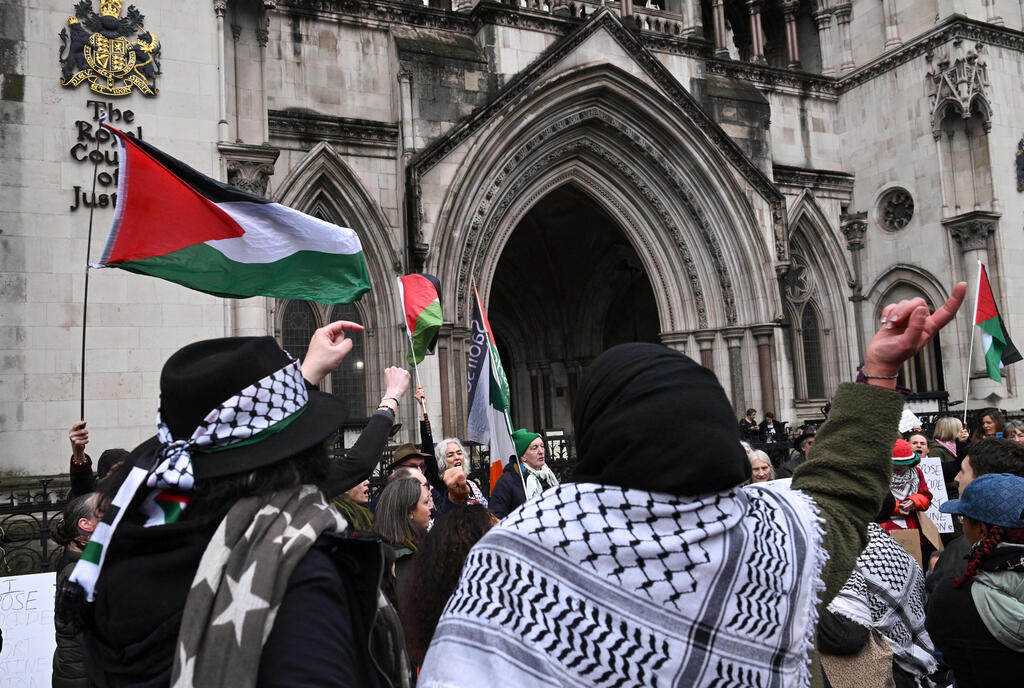
Demonstrators celebrate High Court's decision to strike down Palestine Action's terror designation
(Photo: REUTERS/Jaimi Joy)
The government prohibition, which took effect last year, added Palestine Action to a list of banned organizations that includes Hamas and Hezbollah. The designation followed break-ins and acts of vandalism carried out by the group’s activists. Under the ban, membership in or public support for the organization could carry a prison sentence of up to 14 years.
The decision sparked protests by pro-Palestinian demonstrators.
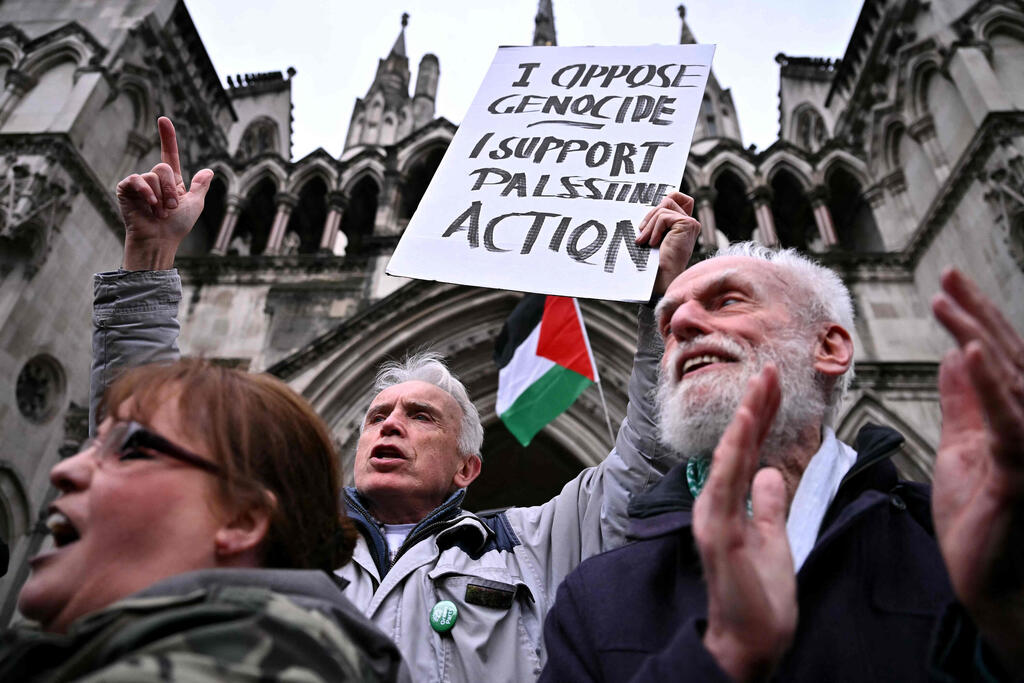
(Photo: Ben STANSALL / AFP)
In their ruling Friday, judges said the ban on the group’s activities was “disproportionate” and constituted a significant interference with the rights to freedom of expression and freedom of assembly. Justice Victoria Sharp said only “a very small portion” of Palestine Action’s activities amounted to terrorism.
Britain’s home secretary, Shabana Mahmood, said she was “disappointed” by the decision and would appeal. Jewish organizations in Britain also criticized the ruling, saying they were “deeply troubled” by the High Court’s decision.
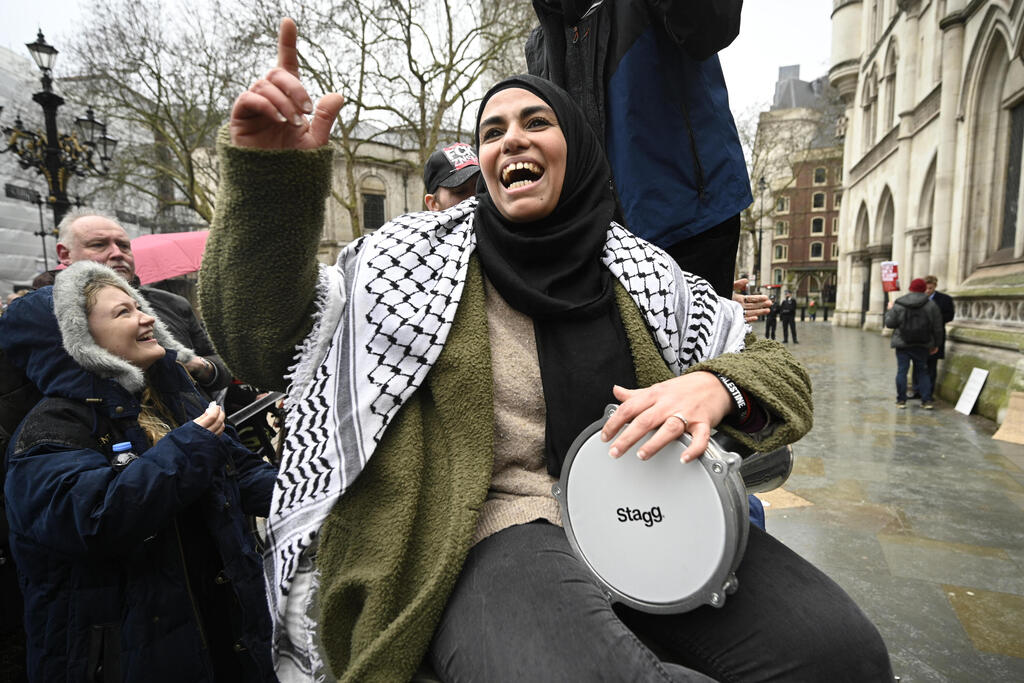
(Photo: Ben Montgomery/Getty Images)
Until the appeal is heard, the organization will not be able to resume operations. London’s Metropolitan Police said it would stop arresting the group’s activists. Since the organization was added to the terrorism list, nearly 3,000 arrests have been made, mostly of demonstrators holding signs in support of the group. Hundreds have been charged, though none have yet been convicted.
Outside the courthouse, members of the organization and their supporters celebrated the ruling. “WE WON,” Huda Ammori, one of the group’s leaders, wrote on X. In a recent interview with Britain’s Channel 4, she said the group’s aim “is to save lives in Palestine” and insisted it was “the complete opposite of a terrorist organization.”
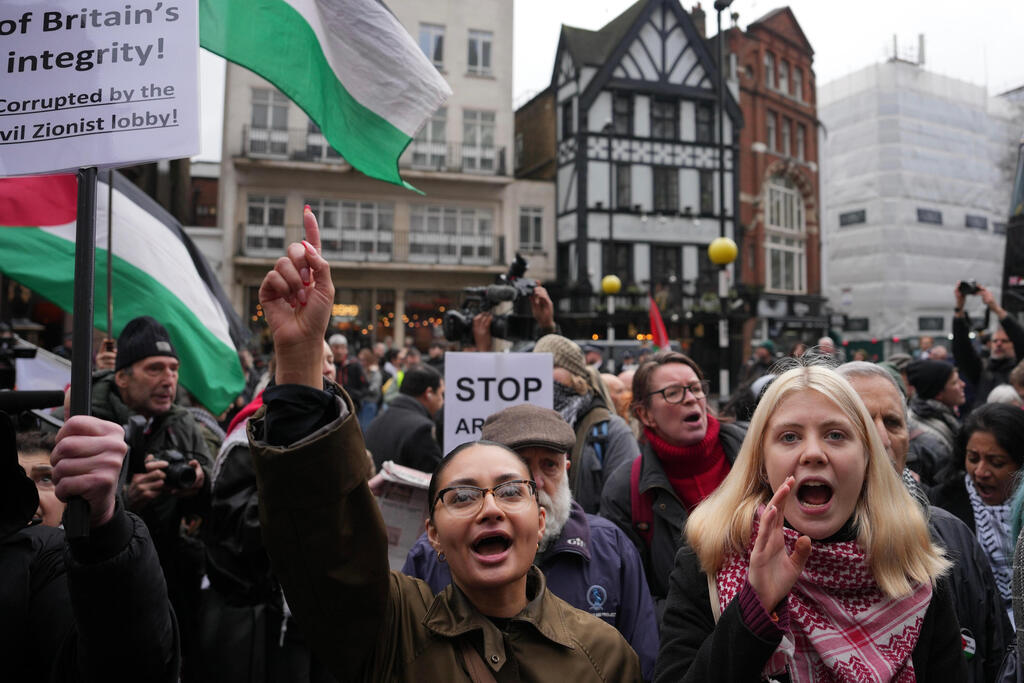
(Photo: AP Photo/Kin Cheung)
On its website, the group, founded in 2020, says its mission is to “end international complicity in Israel’s genocide and apartheid regime.”
Palestine Action has gone beyond protests to target defense companies linked to Israel, at times blocking entrances to their facilities. A primary focus has been the Israeli defense firm Elbit Systems. In 2024, activists broke into an Elbit factory armed with hammers and axes. Footage released by British prosecutors showed violent clashes between activists and police.
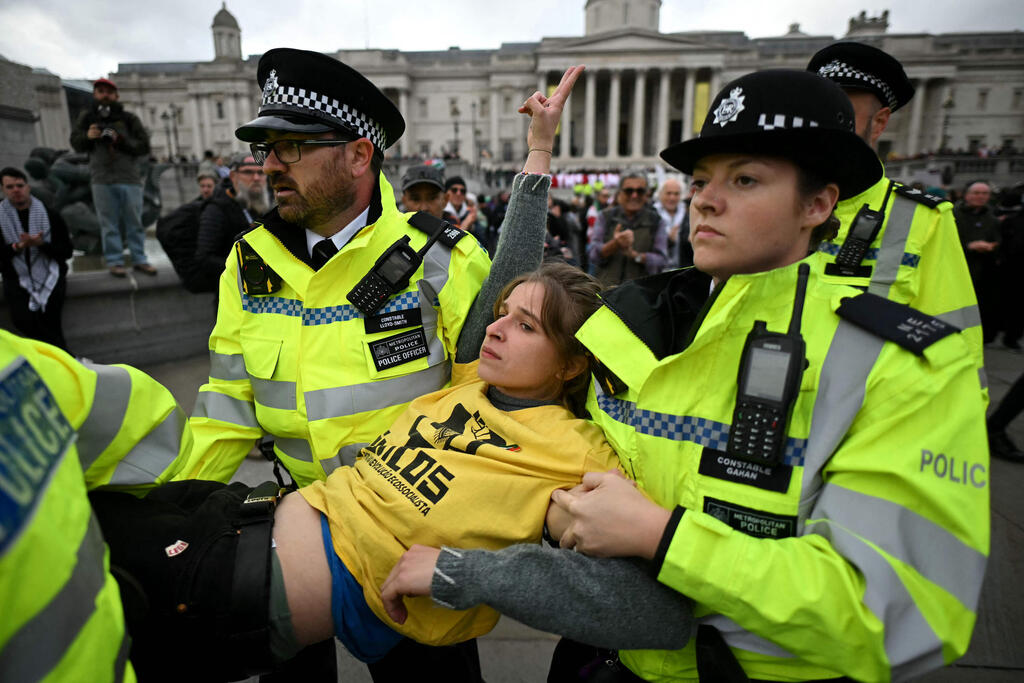
Arrests at a London protest against Palestine Action's terror designation
(Photo: JUSTIN TALLIS / AFP)
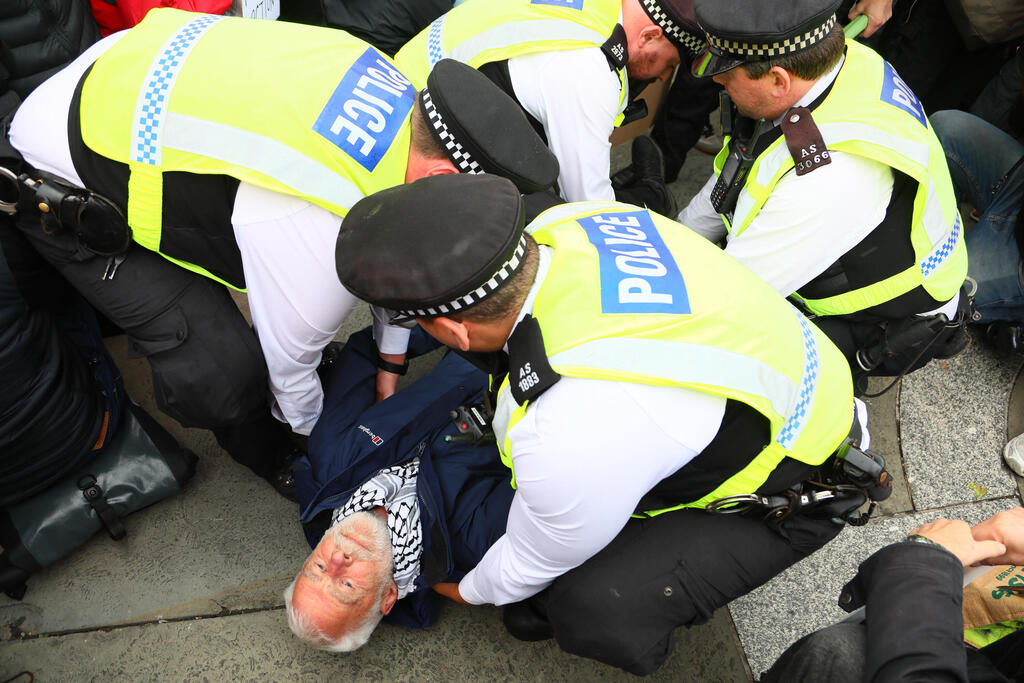
(Photo: Alishia Abodunde/Getty Images)
Last year, members of the group broke into RAF Brize Norton in Oxfordshire and sprayed two aircraft with red paint, describing it as a protest against military cooperation with Israel. Prime Minister Keir Starmer called the incident “disgraceful,” and his government subsequently moved forward with the ban.
Jewish organizations in Britain have argued that Palestine Action’s activities targeting Jewish businesses and institutions are “disruptive and intimidating” and extend beyond areas where anti-Israel protests are typically held. They have called on police and the government to clarify how they intend to ensure the safety of the Jewish community following the High Court ruling.
Mahmood said the ban “does not prevent nonviolent protest on the Palestinian issue” and noted that the court agreed on that point. She added that she intends to challenge the ruling in the Court of Appeal.