


Prime Minister Benjamin Netanyahu told local leaders from frontline communities last week that “the issue of dismantling Hezbollah is before our eyes.” IDF Chief of Staff Lt. Gen. Eyal Zamir echoed that message in several recent forums. Speaking last month, he said, “We will not give up on dismantling Hezbollah,” telling air defense soldiers, “We will not stop until it is disarmed,” and repeating similar remarks to air crews.
However, during a briefing on Friday, a senior military official delivered a markedly different message, sparking anger among northern residents, prompting a clarifying statement from the IDF and drawing criticism from the defense minister.
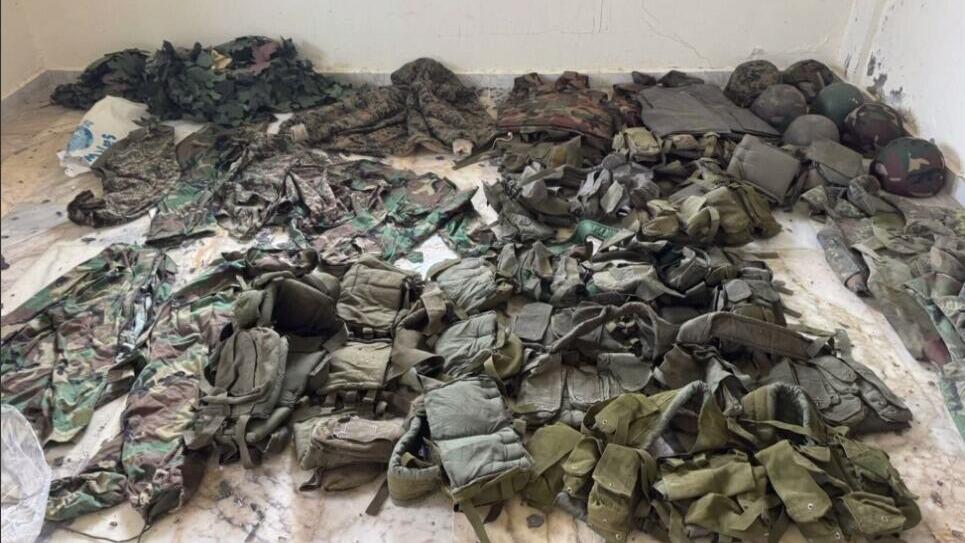
In the briefing, the military emphasized that the war’s objectives against Hezbollah focus primarily on significantly weakening the group, establishing a deep defensive line and destroying dozens of homes along the first row of villages, not dismantling Hezbollah entirely. Officials said that fully disarming Hezbollah would require occupying all of Lebanon and argued that setting such a goal is not appropriate.
The IDF later attempted to clarify the remarks but did not deny that dismantling Hezbollah is not currently an operational objective. “As the chief of staff has said in the past, the IDF is committed to the long-term goal of dismantling Hezbollah,” the military said. “This goal includes a wide range of efforts that will continue over time. The current campaign is weakening Hezbollah and will advance this objective in the long term.”
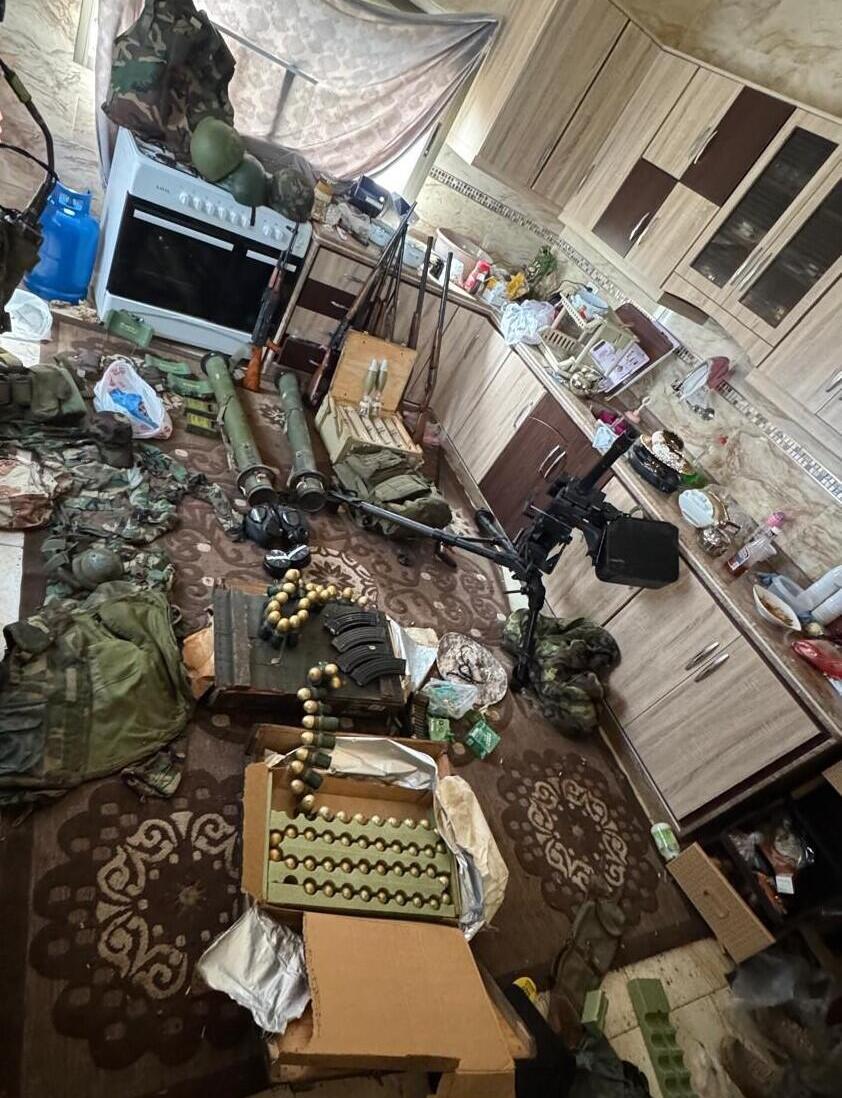
(Photo: IDF)
Following the backlash, Defense Minister Israel Katz distanced himself from the remarks and effectively criticized the military briefing. After a security assessment with Zamir, Katz said, “Israel’s policy in Lebanon has been and remains clear: the supreme goal is dismantling Hezbollah through military and diplomatic means, regardless of the issue of Iran.”
The clarification did little to calm residents in northern Israel. Moran Dadush, a resident of the western Galilee community of Goren, reacted with frustration and distrust. “We will not let anyone play with our lives. When the truth comes out, you understand how much we were misled. Now it’s official: dismantling Hezbollah is no longer a goal,” he said. “Instead of talking about victory, they talk about a ‘village line.’ Instead of defeating the threat, they plan to manage it. Instead of real security, they sell us a sense of security.” He added, “Then comes the sentence that explains everything: ‘To dismantle Hezbollah, you need to occupy all of Lebanon.’ That means they knew from the start it wouldn’t happen, yet they kept selling the public a goal they never intended to achieve.”
Recording from the interrogation of Radwan Force terrorists
(Footage: IDF)


Moshe Kakun of Kiryat Shmona referenced interrogations of Radwan Force terrorists and said, “If Hezbollah’s morale is at rock bottom, that’s another reason to finish it off. The military briefing was a mistake, both strategically and tactically. It gave fuel and encouragement to the terrorists.”
Rafael Slab, deputy mayor of Kiryat Shmona, called the removal of the disarmament goal “a mark of shame on the prime minister and defense minister,” adding that leaders must provide clear answers. “If you don’t dismantle Hezbollah, you will dismantle the Galilee,” he warned.
The 1701 Lobby, representing northern residents, said it was shocked by the shift in war objectives. “The decision to drop the goal of dismantling Hezbollah guarantees one thing: the next round is just around the corner,” the group said, urging the government to uphold its recent promises and instruct the IDF to complete the mission.
Meanwhile, Hezbollah continues launching dozens of rockets daily. About three-quarters of its fire is directed at IDF forces across the border, and roughly 70% of attacks on northern Israel originate north of the Litani River. The average number of launches toward northern Israel over the past month stands at about 50 per day, compared to roughly 100 during the earlier “Northern Arrows” campaign.
According to estimates, Hezbollah retains between 8,000 and 10,000 rockets, down from about 40,000 before that campaign and fewer than 15,000 afterward in 2024. The group has fired approximately 5,000 rockets in the past month alone. The IDF says it has eliminated Hezbollah’s ability to manufacture new rockets and significantly reduced smuggling routes via Syria, sea and air. Still, despite the destruction of around 100 launchers, Hezbollah retains between 300 and 400.
Military officials acknowledge there is no quick solution to Hezbollah’s rocket array. At its current pace, the group could continue firing for another one to two months. While the IDF often locates launchers after firing, it struggles to neutralize single launch tubes operated from residential courtyards on the outskirts of villages.