


Talks between mediators, U.S. representatives and Hamas are expected to continue in Cairo this week, as uncertainty remains over whether the terrorist group will agree to a proposed disarmament plan, according to officials familiar with the negotiations.
The discussions come amid ongoing fighting with Hezbollah in the north and parallel U.S.-Iran talks held in Pakistan.
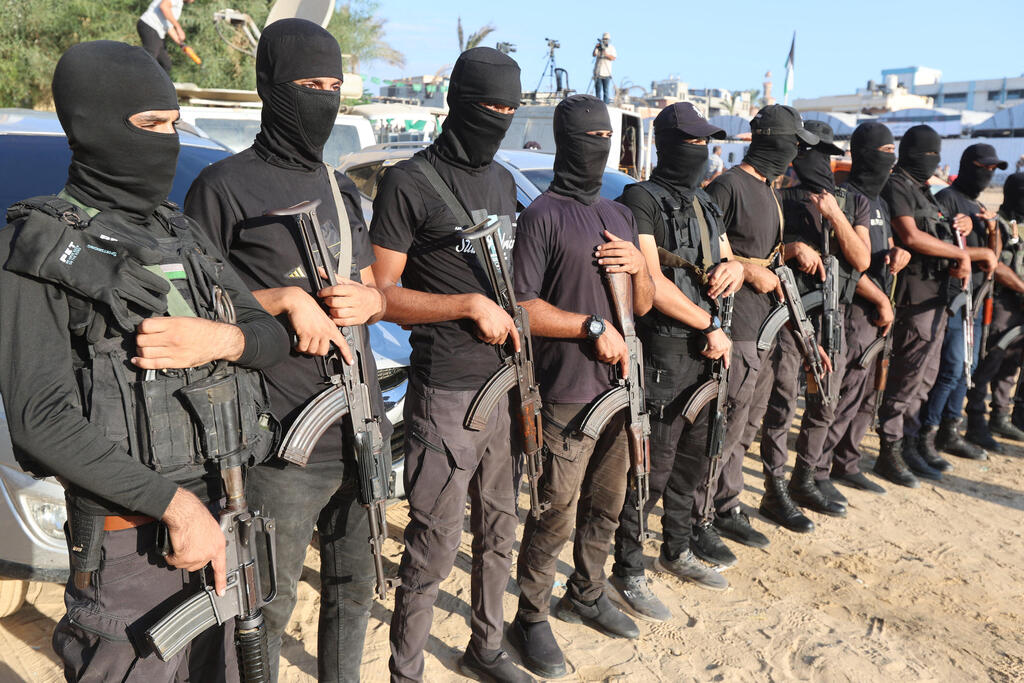
A source familiar with the matter said Hamas has not yet provided a clear response on whether it will accept the framework, which calls for the dismantling of its military capabilities.
A U.S. official said a decision is expected within days. “We will know within a few days whether there is voluntary disarmament or by force,” the official said, describing the outcome as binary. The proposal envisions a full disarmament process over six to eight months, with current talks focused on implementation details.
Despite reports that Hamas may reject the plan, another U.S. official expressed cautious optimism, saying mediators have conveyed positive signals suggesting the group could ultimately agree.
A senior official in the Board of Peace said Hamas is expected to decide this month whether it is willing to disarm, noting that all parties, including mediators, have agreed on the structure of the process.
Under the proposed framework, Hamas would be required to dismantle its arsenal in stages, beginning with heavy weapons, including manufacturing facilities and rocket production equipment, followed by the destruction of tunnels and eventually the surrender of small arms.
Disarmament would be overseen by a combined force of Palestinian security personnel and an international stabilization force, known as ISF. However, the arrival of international forces has been delayed by several weeks due to the war with Iran and is not expected this month.
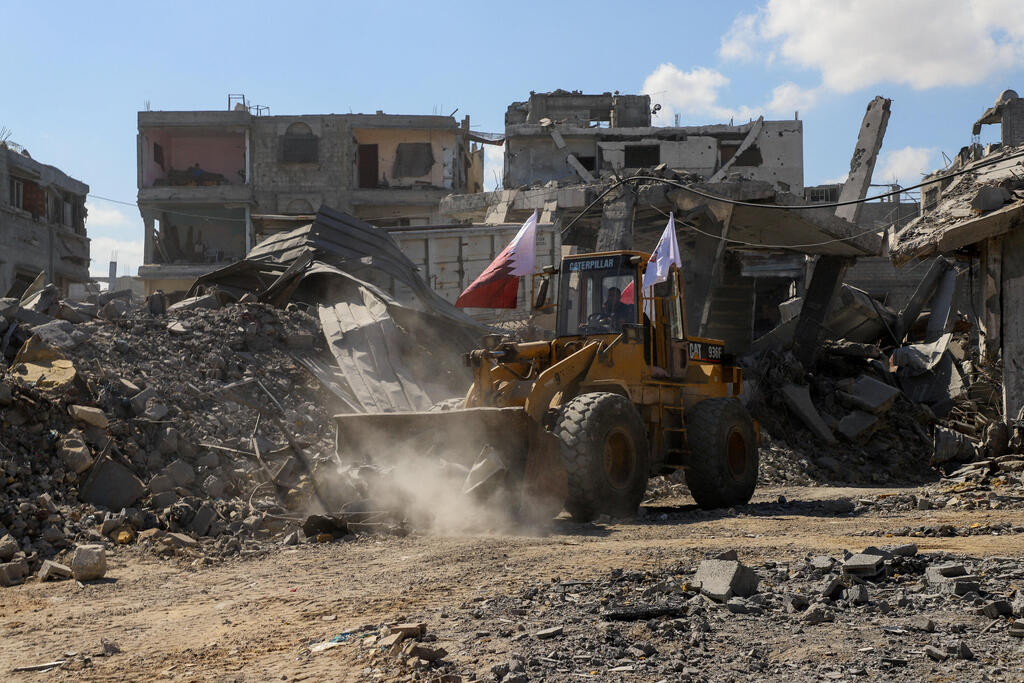
(Photo: REUTERS/Ebrahim Hajjaj)
In Israel, officials have expressed skepticism that Hamas will accept the proposal, assessing that the group is instead working to strengthen its control in Gaza and rebuild weapons production capabilities.
Prime Minister Benjamin Netanyahu said Saturday that Israel would not tolerate terrorist groups operating on its borders and noted that forces currently control more than half of Gaza.
“We are tightening our grip on Hamas from all directions, and we will deal with it,” he said.
At the same time, about $7 billion in international pledges has been secured for Gaza’s reconstruction, exceeding initial needs for the first year. Most of the funding is earmarked for long-term development and will not be released until there is clear progress on disarmament.
Initial reconstruction steps would include the entry of a Palestinian technocratic committee into Gaza, followed by the deployment of a Palestinian police force alongside the international stabilization force. Both steps remain on hold pending Hamas’ decision.
Officials said all options remain open, but a resumption of large-scale fighting in Gaza in the immediate term is seen as unlikely, as military focus remains on the northern front.
Hamas has accused Israel of failing to meet its commitments, including allowing sufficient humanitarian aid into Gaza and halting strikes despite a ceasefire. The group’s leadership has also held recent talks in Istanbul with Turkish President Recep Tayyip Erdogan, as regional actors press Hamas to adopt a more pragmatic approach.
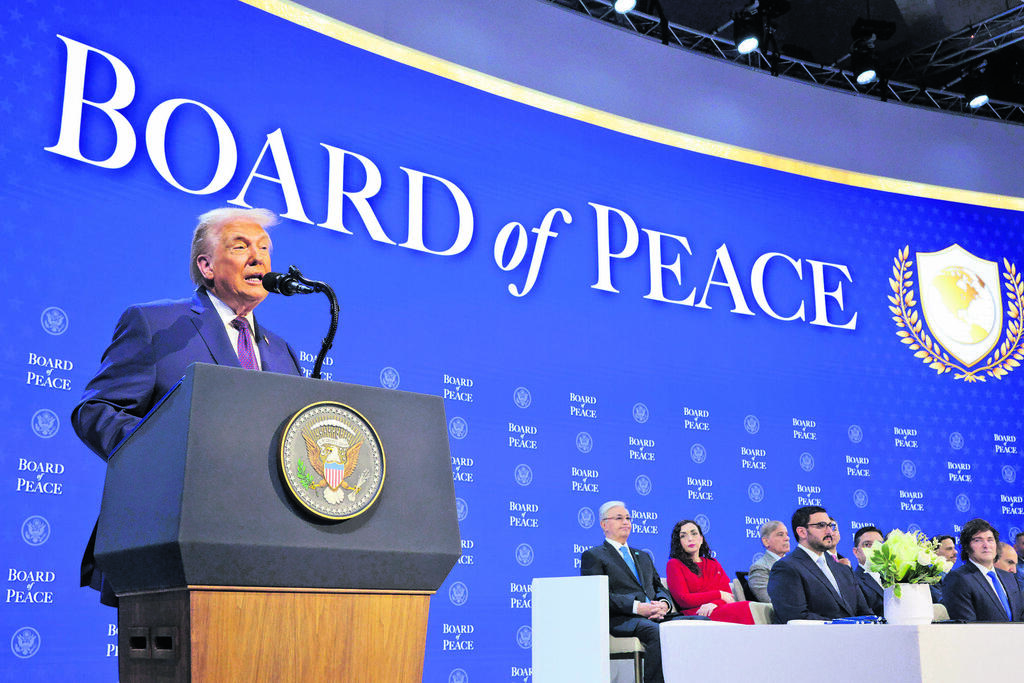
(Photo: Chip Somodevilla/Getty Images)
Within Hamas, however, some leaders view disarmament as equivalent to surrender.
Planning for Gaza’s reconstruction is continuing in parallel, officials said, though implementation will not begin until disarmament starts.
The proposed process would be overseen by a Palestinian technocratic committee and is expected to last about eight months, divided into five stages under the principle of “one authority, one law, one weapon.”
In the first stage, lasting about 15 days, the committee would assume administrative and security control of Gaza. In the second stage, over roughly six weeks, heavy weapons in areas under Israeli control would be dismantled and international forces deployed.
During the third stage, lasting about two months, Hamas would hand over heavy weapons and tunnels would be destroyed. The fourth stage, expected to last several months, would involve the collection of small arms and a gradual withdrawal of IDF forces.
In the final stage, about 250 days after the process begins, full verification of disarmament would take place, IDF forces would withdraw completely and reconstruction of Gaza would begin.