


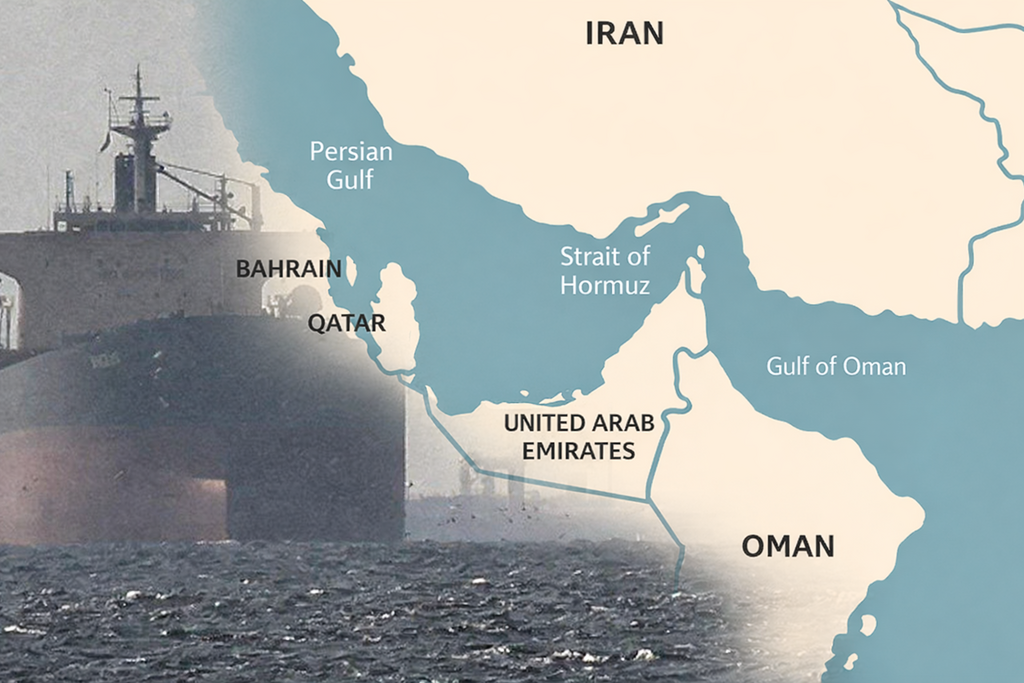
It began Friday at 3:45 p.m., when Iranian Foreign Minister Abbas Araghchi announced that the Strait of Hormuz would be open to all vessels for the duration of the ceasefire in Lebanon.
Minutes later, U.S. President Donald Trump welcomed the move. By Saturday morning, however, the situation reversed, with Iran’s Khatam al-Anbiya command — which oversees military operations — announcing that the waterway was again under strict control and no longer open to free transit.
Trump on talks with Iran


What happened over the past day?
Following the ceasefire between Israel and Lebanon, Araghchi said the strait would be open during the remaining days of the truce. Trump responded positively. By Saturday morning, several tankers were reported crossing the strait in what was described as the first significant movement in weeks. About an hour later, Iran’s military command said the Islamic Revolutionary Guard Corps was reimposing restrictions, effectively blocking free passage. At least 20 vessels that had planned to transit the strait turned back.
Why was the strait restricted again?
The reversal followed Trump’s statement that the U.S. blockade on Iranian ports would remain in place until a broader agreement is reached. Iranian officials cited the continued blockade as the reason for restoring restrictions on the waterway.
What did the United States say?
The United States has not formally responded to the latest move. Trump said the ceasefire, set to expire Wednesday, may not be extended if no agreement is reached and indicated military action could resume.
Who can still pass through the strait?
During the conflict, vessels from countries including India, China and Turkey have been able to pass under arrangements that have not been publicly detailed. Iran has also indicated it may impose transit conditions or fees, though there is no confirmation such measures have been implemented.
Why are there conflicting messages from Iran?
The initial announcement came from Iran’s foreign minister, while the decision to restore restrictions was made by a military command linked to the Revolutionary Guard. Media affiliated with the Guard criticized the earlier statement, suggesting it did not reflect the full conditions tied to the reopening.
What is the impact on Israel?
Israel does not import oil directly through the Persian Gulf. However, prolonged disruption in the strait could drive global oil prices higher, potentially affecting fuel costs.
Is a diplomatic solution still possible?
Diplomatic efforts are ongoing, but uncertainty remains. Talks between the United States and Iran are expected to take place in Pakistan, though neither side has confirmed participation. Iranian officials have indicated they are not yet ready for a new round of negotiations, citing continued U.S. demands and the ongoing blockade, while Pakistani officials say progress toward an agreement is still possible ahead of the ceasefire deadline.