


The IDF destroyed a fortified underground Hezbollah tunnel network in the southern Lebanese village of Majdal Zoun on Sunday night, in what the military described as one of the terror group’s major preparedness sites in the western sector.
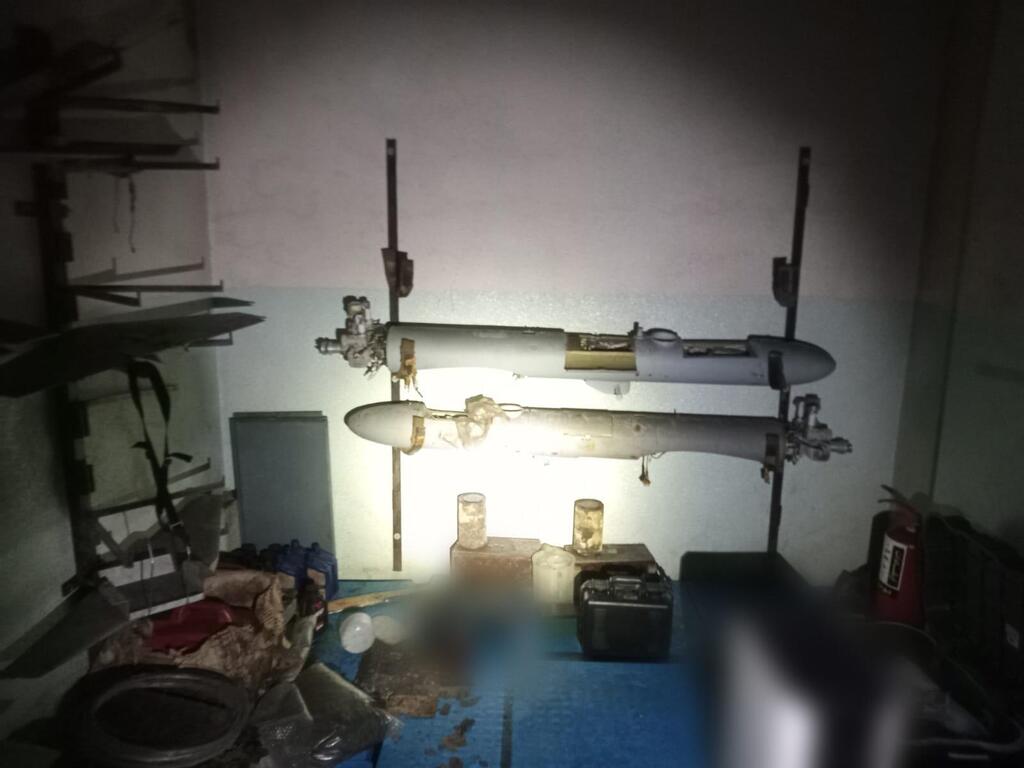
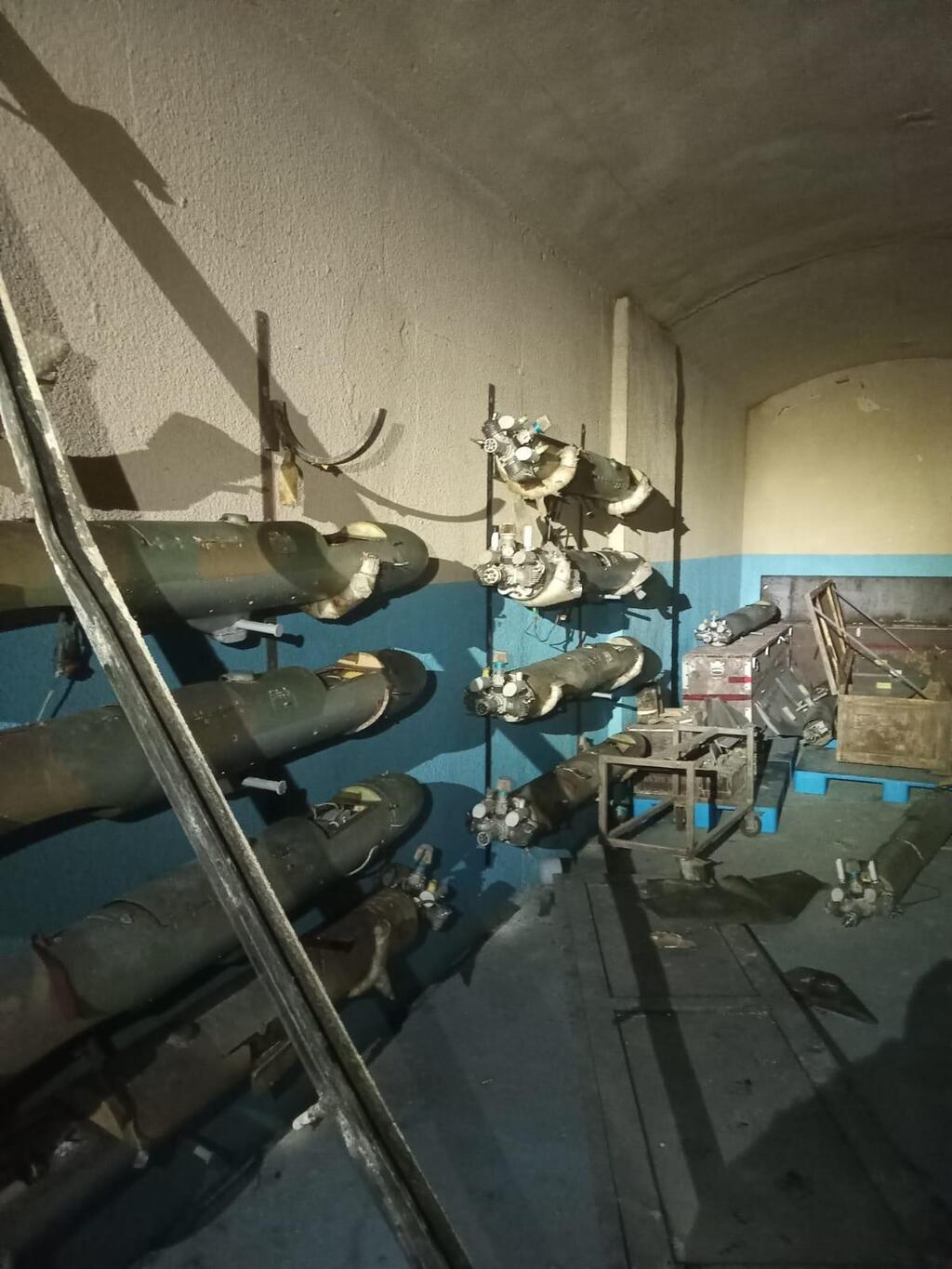
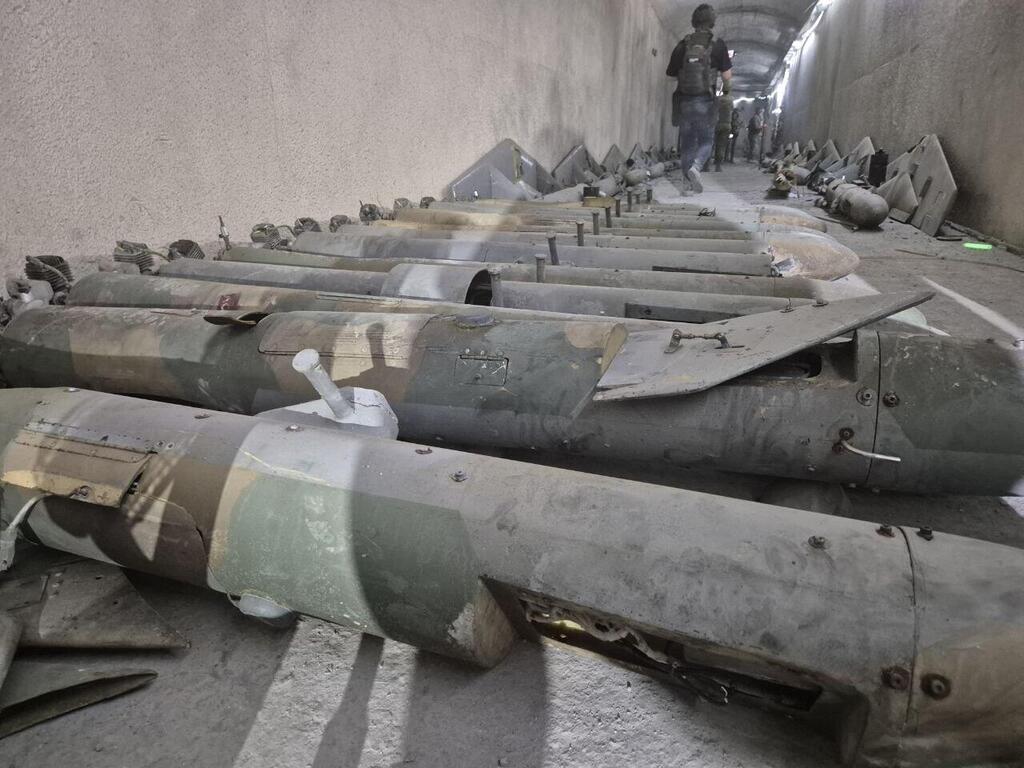
The underground compound, built more than 25 meters below ground and stretching over 200 meters, was used to store weapons, including drones, warheads and explosives. The powerful blast was heard across northern Israel on Sunday evening.
Powerful blast heard across northern Israel as IDF destroys Hezbollah’s ‘drone fortress’ in Lebanon
(Video: IDF)


“Troops of the 551st Brigade Combat Team and Yahalom forces, under the command of the 91st Division, destroyed an underground route located in the village of Majdal Zoun, in the security zone in southern Lebanon,” the IDF Spokesperson’s Unit said. “The compound was built using technology and knowledge from the Iranian terror regime.”
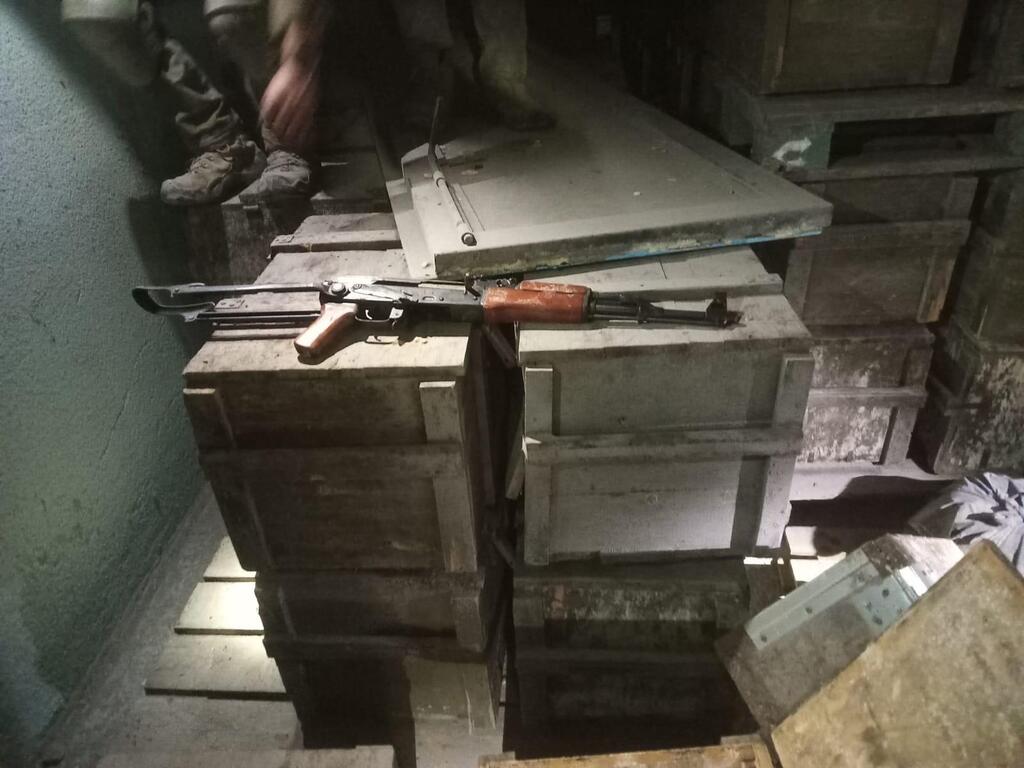
According to the military, hundreds of weapons were found inside the tunnel network, along with four launch shafts aimed at Israeli territory. “The IDF will continue to operate in the security zone in southern Lebanon, remove any threat to our forces and will not allow Hezbollah to harm the citizens of the State of Israel or its forces,” the statement said.
Prime Minister Benjamin Netanyahu and Defense Minister Israel Katz said the operation, named “Sof Pasuk,” destroyed Hezbollah’s underground terror infrastructure near Majdal Zoun.
“The route, more than 200 meters long and more than 25 meters deep, contained hundreds of weapons and several launch shafts intended to strike the territory of the State of Israel and its citizens,” they said.
Israel notified the United States and the American representative in Lebanon ahead of the demolition, according to Netanyahu and Katz.
“IDF commanders and soldiers will remain in the security zone in southern Lebanon and will continue to destroy terror infrastructure, remove threats to northern communities and safeguard the security of Israel’s citizens,” they added.
(Photo: IDF)
(Photo: Elisha Ben Kimon)
(Photo: IDF)

(Photo: Elisha Ben Kimon)
The tunnel network was discovered during IDF operations in Majdal Zoun, about 10 kilometers from the Israeli border. The village is considered by the military to be one of Hezbollah’s “preparedness villages” in southern Lebanon, a civilian area that was effectively turned into a military stronghold.
According to the IDF, Hezbollah used the village as an observation and staging point, and fired from the area toward communities in the Galilee throughout the war.
Underground, troops found a fortified structure with blast doors, four launch shafts and 12 rooms used for storing weapons and housing terrorists. The weapons found there included dozens of dismantled drones, aircraft components, warheads and explosives.
The military described the site as one of Hezbollah’s significant assets in the sector, saying it had been built over years with Iranian investment.
Forces from the 551st Brigade, Yahalom, the IDF’s elite combat engineering unit, and additional troops took part in locating, mapping and preparing the tunnel network for demolition. According to the IDF, more than 20 Hezbollah terrorists were killed during the wider operation in the area, including about 10 members of Hezbollah’s elite Radwan Force.
Ahead of Sunday night’s explosion, regional councils in the Western Galilee and Upper Galilee informed residents that a powerful blast was expected as part of the IDF operation to destroy Hezbollah infrastructure.
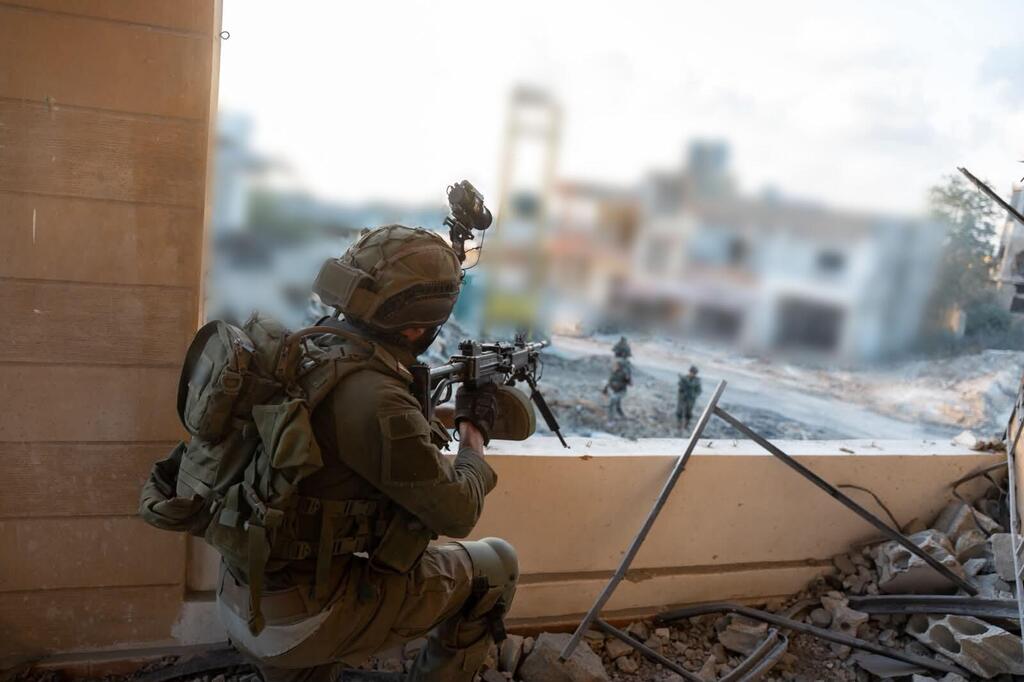
IDF forces in Majdal Zoun
(Photo: IDF)
“Due to the force of the explosion, independent earthquake alerts may be activated, which are not connected to Home Front Command systems,” the Ma’ale Yosef Regional Council told residents. “There is no danger to civilians in the north.”
The Upper Galilee Regional Council said the echoes of the blast could be heard across the sector, including in the Hula Valley.
“This is activity by our forces as part of the completion of the destruction of enemy infrastructure in Lebanon,” the council said. “It is important to emphasize that this is not an earthquake and that no danger is posed to residents.”
Earlier Sunday, the IDF cleared for publication that Capt. David Hazzut, 21, from Ashkelon, a platoon commander in the Golani Brigade’s 12th Battalion, was killed overnight Saturday in combat in southern Lebanon. Another IDF soldier was lightly wounded in the incident.
The clash occurred at around 2 a.m., when Golani Brigade Combat Team troops encountered a Hezbollah terrorist while entering a suspicious site in the area of Deir Siryan in southern Lebanon. The terrorist opened fire, killing the officer. After the encounter, troops launched searches for the terrorist, and the IDF said Sunday evening that he had been killed.
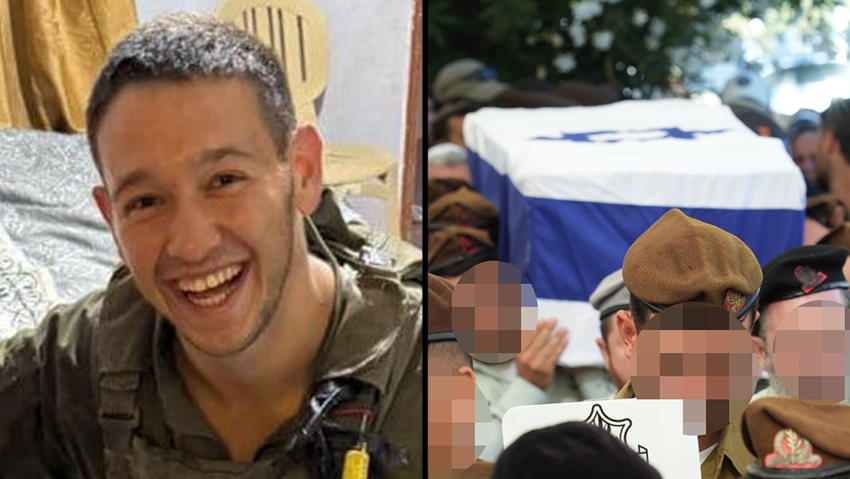
Capt. David Hazzut
(Photo: IDF)
Netanyahu held a press conference Saturday night following a framework agreement reached with the Lebanese government. The arrangement provides for a partial Israeli withdrawal from “pilot areas” in southern Lebanon and their transfer to the Lebanese army, while also allowing the IDF to remain in most areas under its control in the security zone until the threat posed by Hezbollah is removed.
Netanyahu described the agreement as “a severe blow to Iran and Hezbollah” and thanked the Lebanese government, saying it had “shown courage.”