

German health authorities said Thursday they estimate that 5,120 people have died so far this year from complications related to heat, and that most of those deaths occurred during the severe heatwave that hit Germany and many other European countries late last month. Germany’s public health agency, the Robert Koch Institute, released the estimate as Europe continues to reel from record-breaking summer temperatures.
According to the Robert Koch Institute, the federal government agency that monitors public health, around 4,270 of those who died were aged 75 and over. More women died than men, though mainly because women make up a larger share of the elderly population. Heat can damage health in a variety of ways, and experts warn that the danger is greatest for the elderly, babies, people who work outdoors and those facing economic hardship.
The figures published in Germany join grim data from other European countries. In France, Belgium, Spain and the Netherlands, more than 4,700 excess deaths were reported together during the severe heatwave between June 20 and June 28. According to the EU’s Copernicus climate monitoring service, last month was the hottest June ever recorded in Western Europe, with the region experiencing exceptional heatwaves.
The severe heatwave has drawn comparisons to the one that struck Europe in the summer of 2003. That heatwave, which lasted 16 days and caught the continent largely unprepared for extreme heat, caused an estimated 80,000 excess deaths across Europe. Since then, European governments have worked to reduce the damage caused by heatwaves, including through more effective warning systems that issue advance alerts to residents. Mortality has indeed fallen significantly, but it appears to remain high.

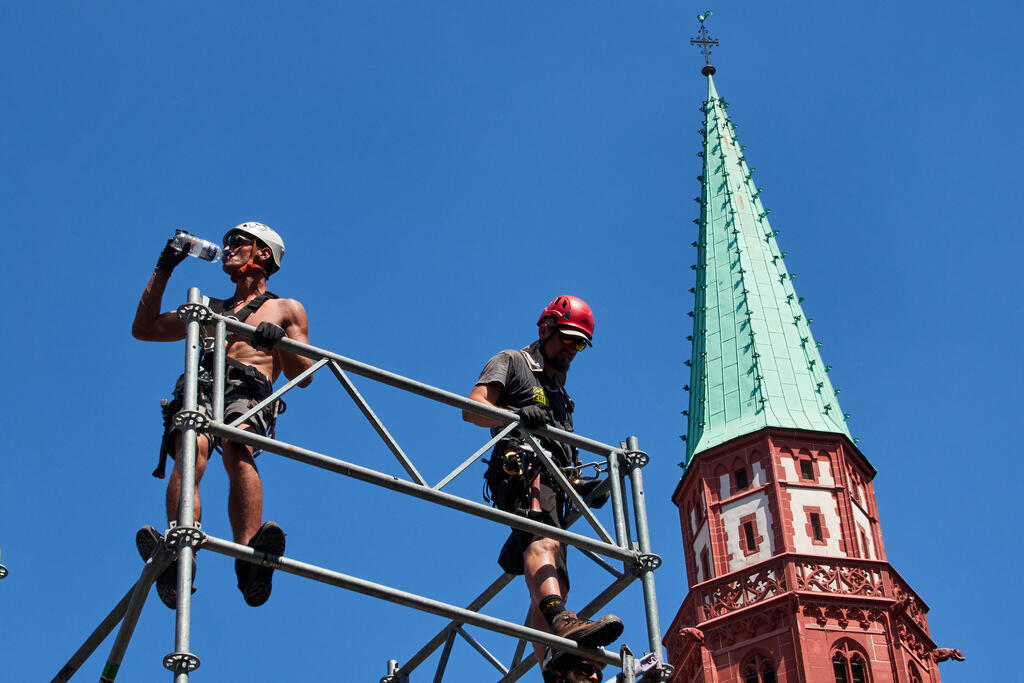
(Photo: REUTERS/Axel Schmidt)
In many European countries, air conditioners are still relatively rare, leaving many residents with few solutions in the face of intense heat. Many homes were originally built to retain warmth in a usually cooler climate. Now, despite opposition from climate activists who argue that air conditioning will only increase electricity consumption and therefore greenhouse gas emissions, the share of homes with air conditioners, about 20% across Europe, is gradually growing. During the latest heatwave, demand for cooling units jumped.
Europe has been facing repeated heatwaves in recent decades, and scientists warn that human-caused climate change is worsening their frequency and intensity. Scientists stress that burning gasoline, oil and coal, as well as deforestation, major wildfires and many types of industrial activity, release gases that trap heat and drive climate change, contributing to extreme heat and drought events.
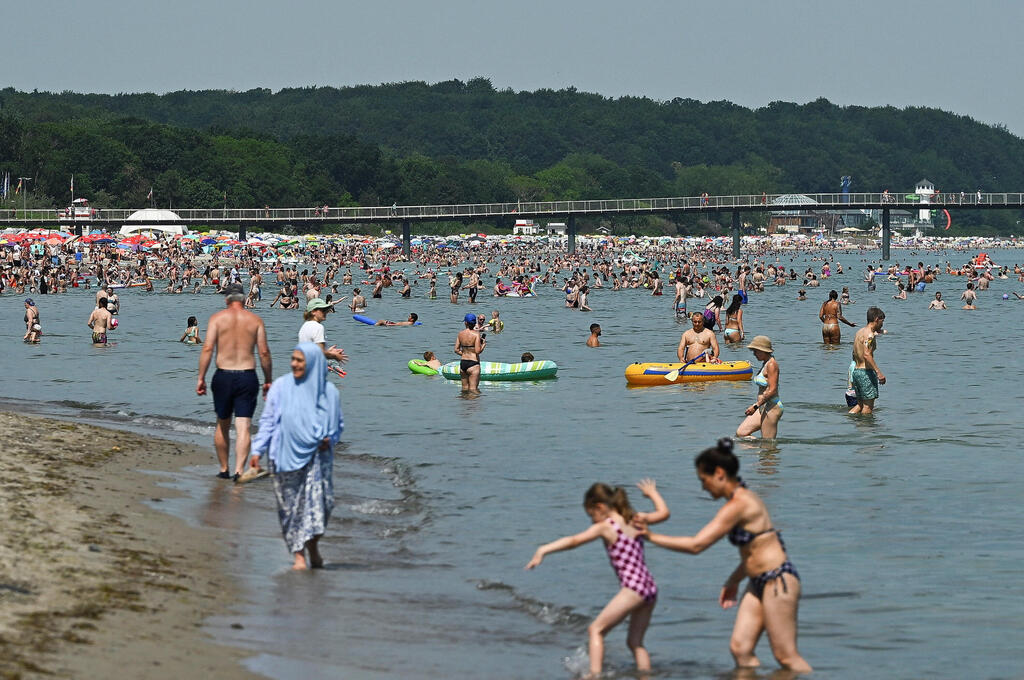
(Photo: REUTERS/Jonas Walzberg)
According to World Health Organization estimates cited in European climate reporting, more than 200,000 people have died across Europe from heat-related causes over the past four years, most of them in deaths that could have been prevented. Copernicus has also found that Europe is the fastest-warming continent in the world, with temperatures rising at about twice the global average since the 1980s. The EU monitoring agency said that both Europe and the world experienced the hottest year on record in 2024, and that the continent saw its second-highest number of heat-stress days ever recorded.