


Satellite images published Friday by Chinese company MizarVision indicate that the United States continues to transfer aircraft and equipment to Ovda Air Base in southern Israel.
Images show 11 F-22 fighter jets that have arrived in recent days, four of which are positioned on the runway. The company also published an image of a C-17 transport aircraft that, according to the report, delivered equipment to the base.
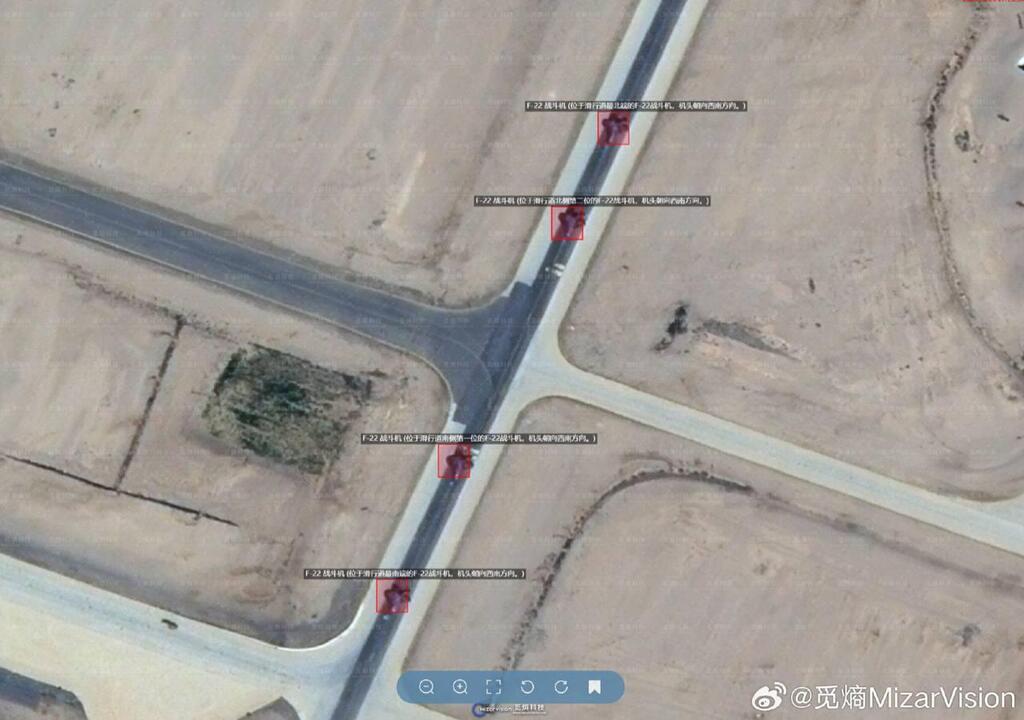
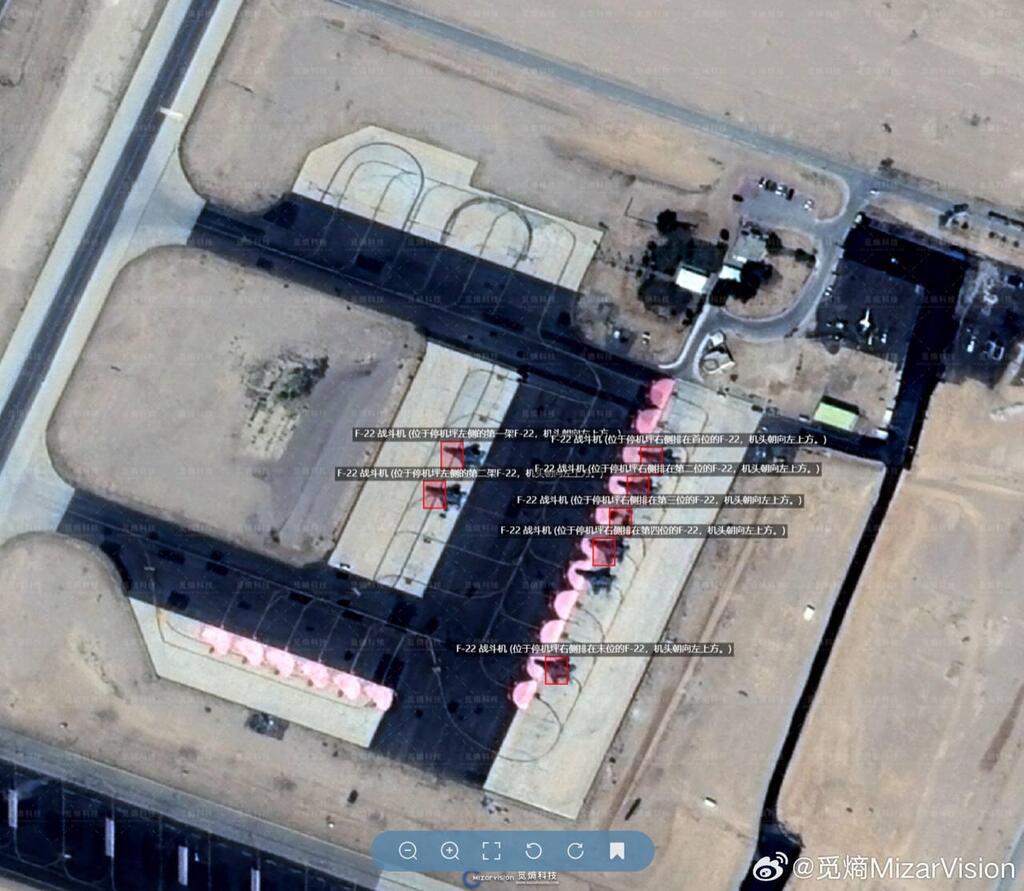
US aircraft on Ovda Air Base
(Photo: MizarVision)
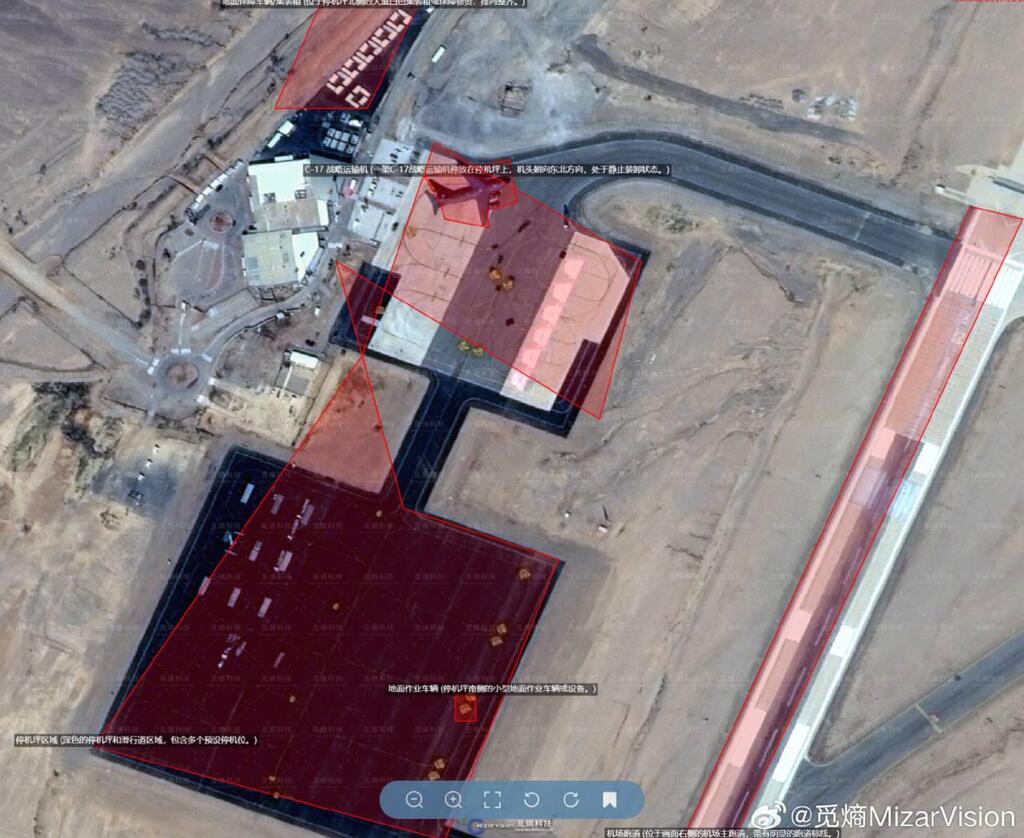
מטוסים אמריקניים בבסיס עבודה
(צילום: MizarVision)
Additional images released Friday from Al Udeid Air Base in Qatar show no U.S. aerial refueling aircraft remaining at the facility, while many such aircraft were observed parked at Ben Gurion Airport in Israel. According to the latest images, 12 transport aircraft remain at Al Udeid — six C-17s and six C-130s — along with three attack helicopters.
On Thursday, MizarVision published images from the Qatari base showing that the U.S. military had left relatively few aircraft there: one KC-135 refueling plane, which may have since departed, two medium C-130 transport aircraft and about seven armed helicopters.
Footage from Chania Airport in Crete also showed U.S. military assets, including roughly eight refueling aircraft, two RC-135 reconnaissance and surveillance planes, F-15 fighter jets and a medium transport aircraft.
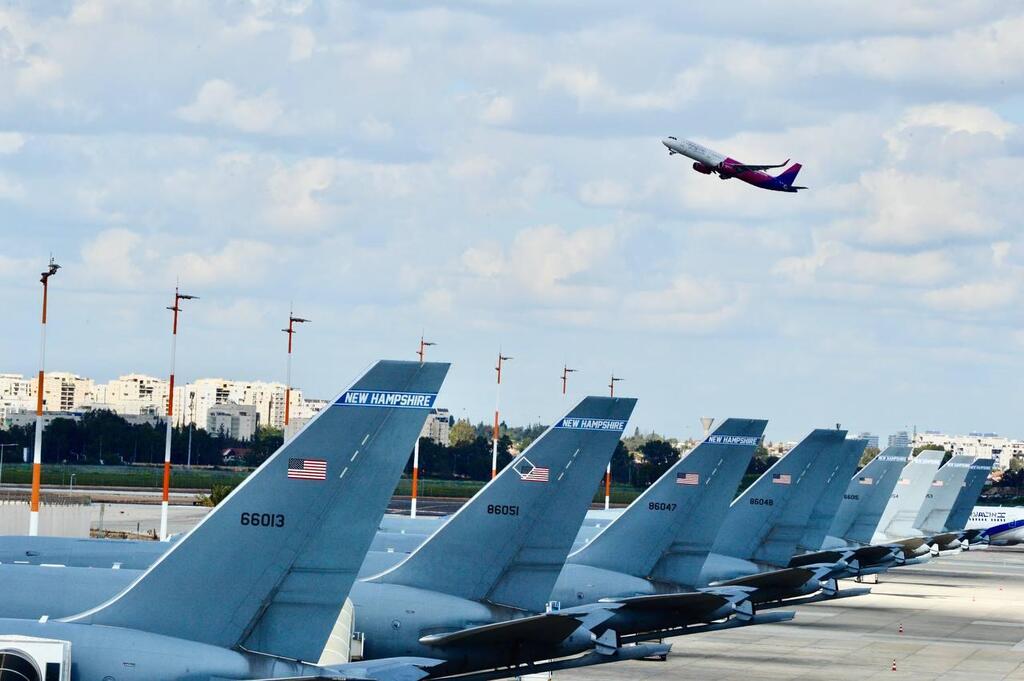
US refueling aircraft at Ben Gurion Airport
(Photo: Kobi Kuenkas)
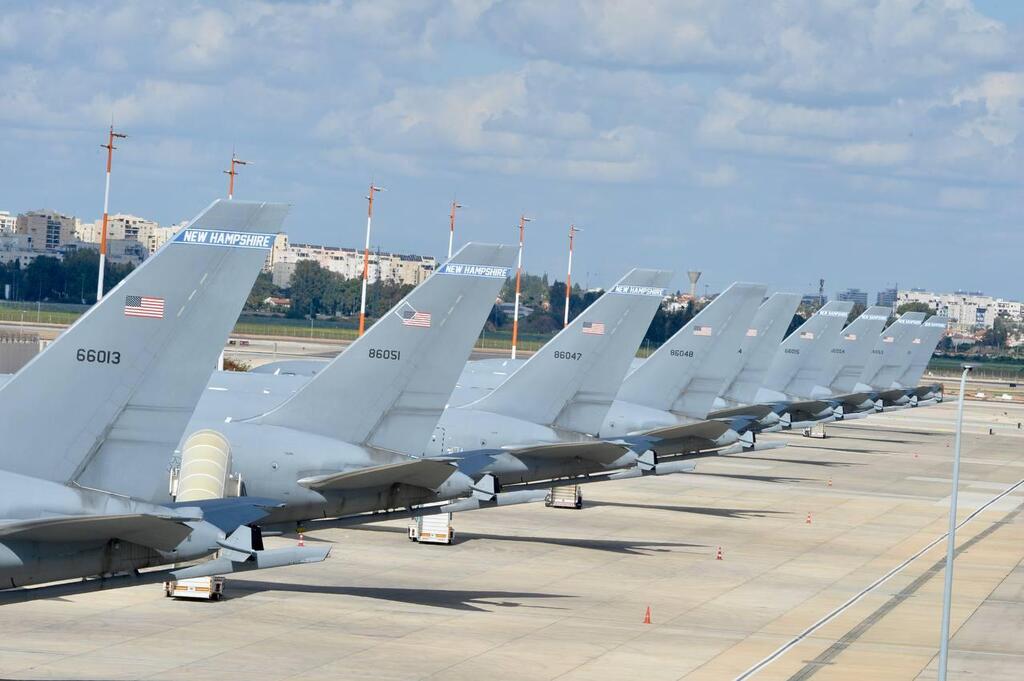
(Photo: Kobi Kuenkas)
At Diego Garcia, often referred to as the “bomber island,” about 14 U.S. Air Force aircraft were documented Friday morning, including fighter jets, refueling planes, transport aircraft and P-8 aircraft used for surveillance, maritime patrol, anti-submarine warfare and anti-ship missions.
At Prince Sultan Air Base in Saudi Arabia, numerous aircraft were observed, including KC-135 refueling planes and E-11A aircraft used for command and communications.
For weeks, the United States has been moving additional forces into the region, as the possibility of a strike on Iran looms despite ongoing negotiations.
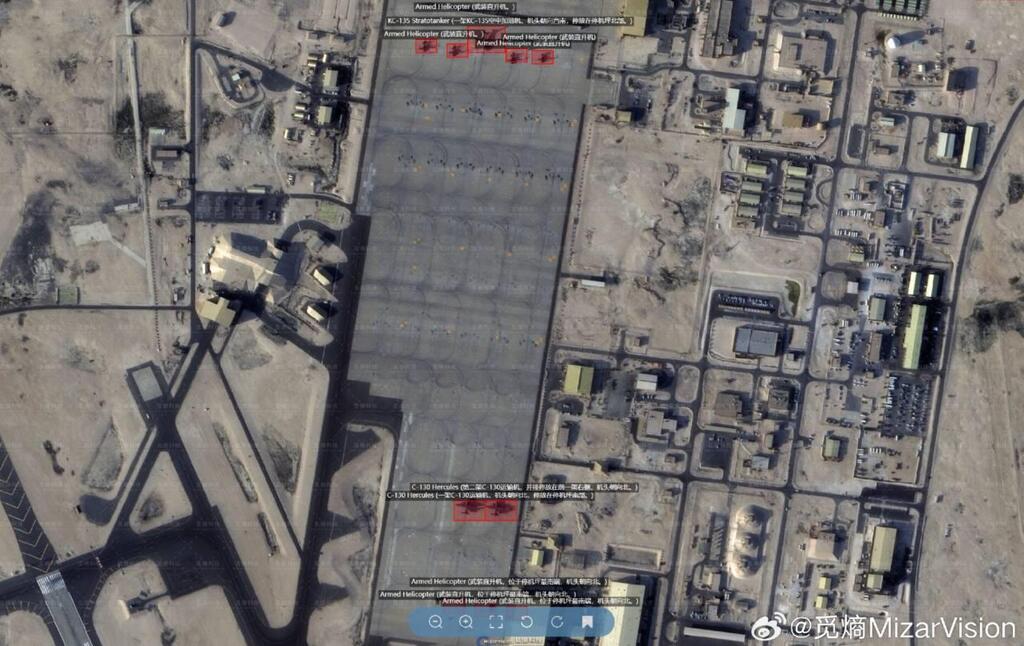
Al Udeid Air Base in Qatar
(Photo: MizarVision)
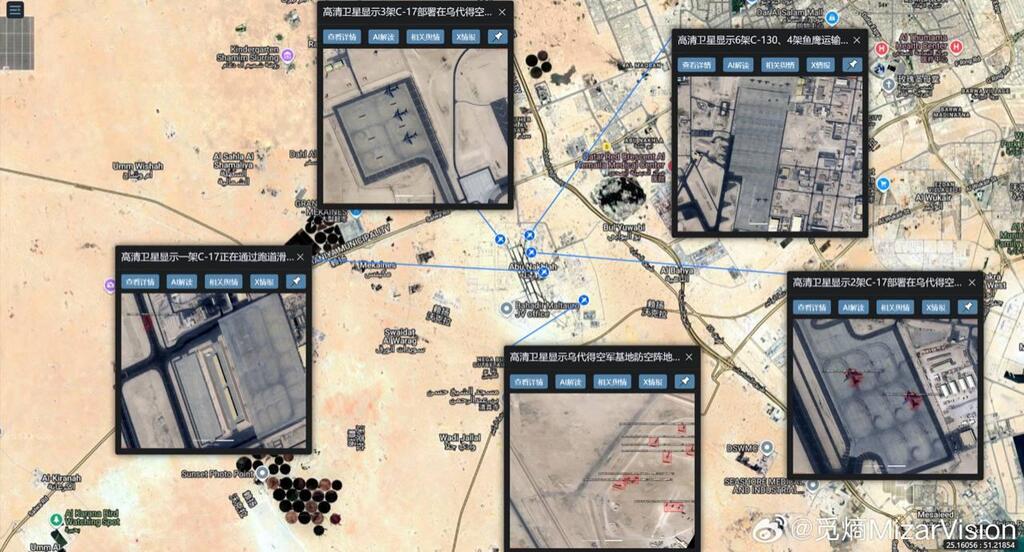
Al Udeid Air Base in Qatar
(Photo: MizarVision)
MizarVision, founded five years ago, has drawn attention for regularly providing high-resolution satellite imagery from strategically significant areas, including military installations and aircraft carriers. Its website, largely in Chinese, states in English: “Why We're Here: Finding answers, shaping tomorrow.”
Since the United States began shifting forces toward the Middle East, the company has tracked and reported on movements and deployments. It also makes extensive use of artificial intelligence models to identify objects in satellite imagery and monitor changes in assets and facilities.
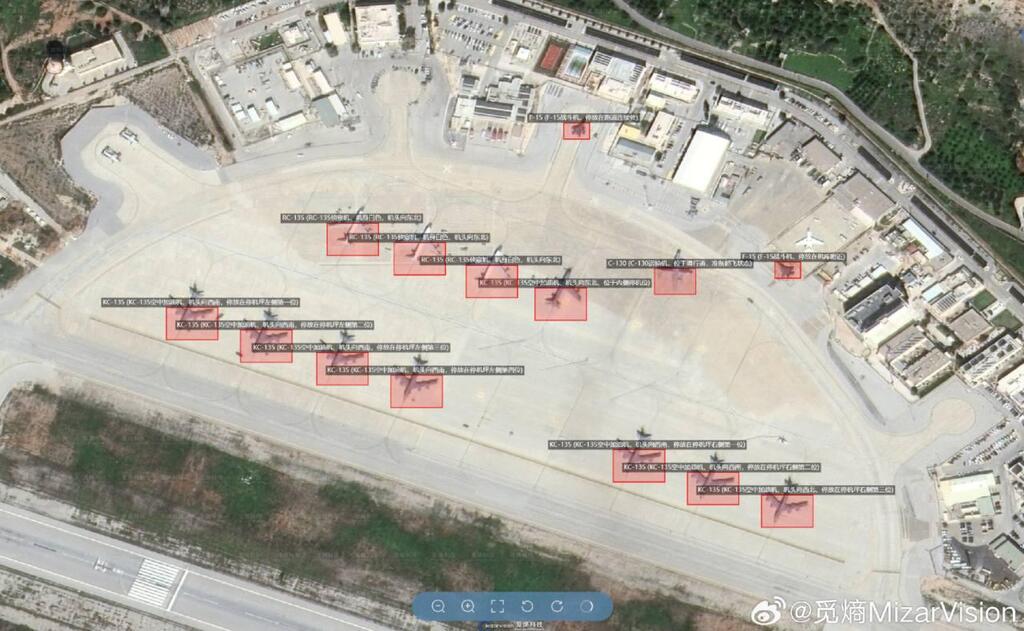
US aircraft at Chania Airport in Crete
(Photo: MizarVision)
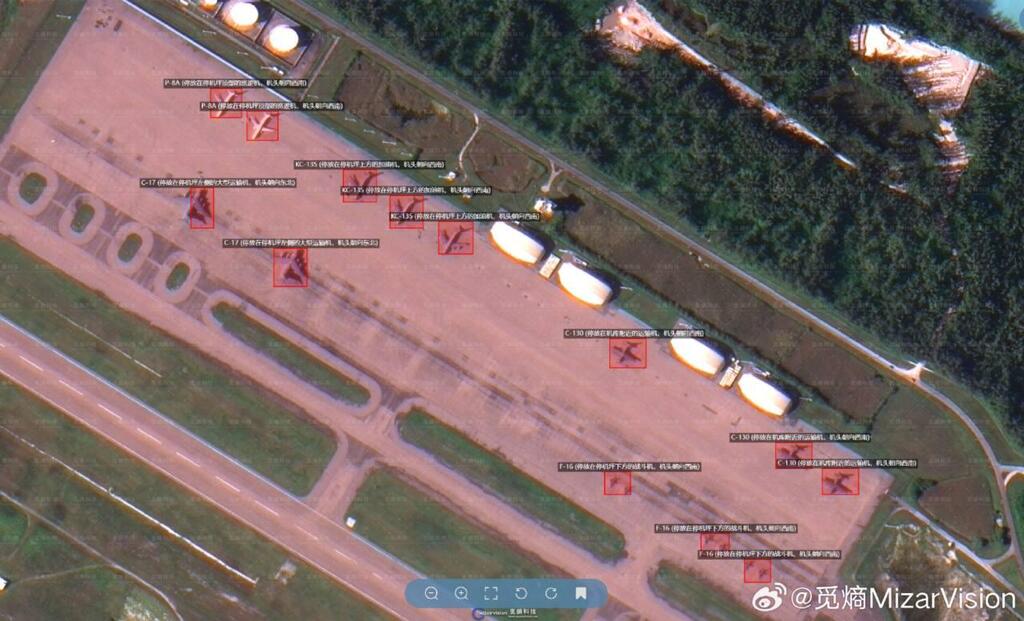
US aircraft Chania Airport in Crete on Diego Garcie
(Photo: MizarVision)
Experts say the company’s publications highlight China’s intelligence-gathering capabilities. Its close monitoring of U.S. force movements, bases and other strategic assets underscores Beijing’s ability to track high-value targets in real time and potentially act accordingly.
Amid ongoing contacts between Iran and the United States — and the continued possibility of confrontation — MizarVision has in recent weeks published not only satellite images but also updates detailing the quantities and types of U.S. aircraft deployed in various locations, as well as their air defense systems.