

New satellite images published Thursday by the Chinese company MizarVision show U.S. F-22 stealth fighter jets that Washington has sent to Israel. According to the company, the aircraft were deployed at Ovda Airbase in southern Israel.
The images, which MizarVision said document U.S. force deployments, show 11 F-22s parked at the base as part of the American buildup ahead of a possible strike on Iran. The photos also indicate that a Patriot air defense battery was positioned near the base.
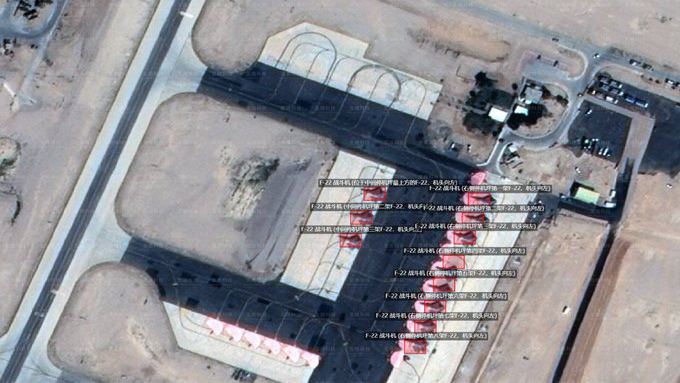
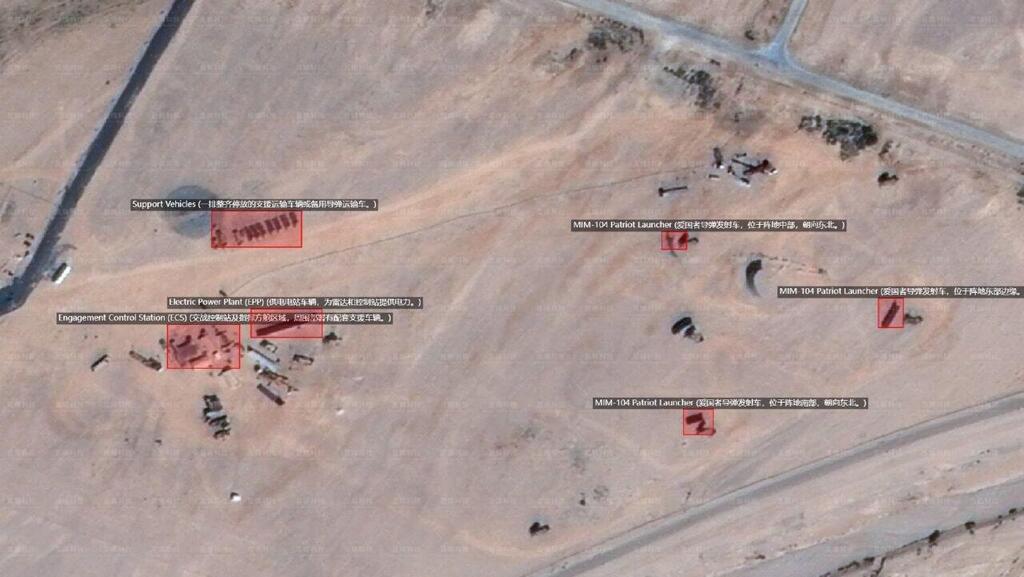
(Photo: MizarVision, from X)
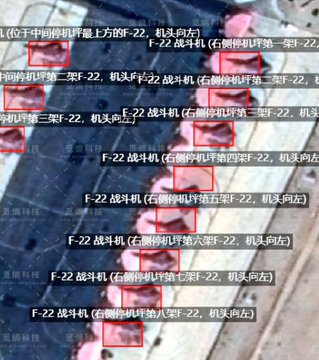
(Photo: MizarVision, from X)
The F-22s arrived in Israel as a single squadron. Their mission is to integrate into potential U.S. Air Force strike operations against Iran and preserve gains from the recent 12-day war, should President Donald Trump authorize an attack. Officials familiar with the matter said the deployment to Israel is also intended to create a deterrent effect, pressuring Iran back to negotiations.
The F-22 is one of two U.S. fifth-generation fighter jets, alongside the F-35, which is also operated by the Israeli Air Force. The landing of American combat aircraft in Israel is unusual, and the arrival of advanced stealth fighters is particularly rare.
The F-22, which first flew in 1990, is primarily an air superiority fighter but is also capable of ground attack, electronic warfare and intelligence missions. Unlike the F-35, the F-22 has not been sold to foreign militaries due to a legal prohibition.
The aircraft carrier USS Gerald R. Ford sails Thursday morning from Crete toward Israel
(Video: via X)


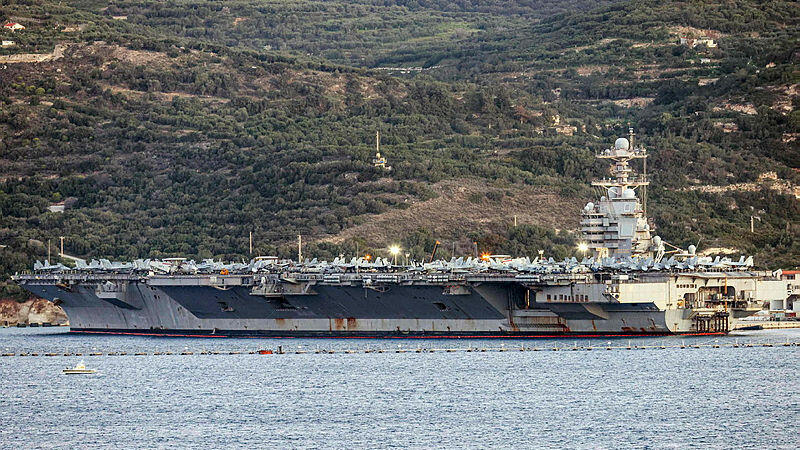
The aircraft carrier USS Gerald R. Ford, resuming its voyage toward Israel, Thursday morning
(Photo: Costas METAXAKIS / AFP)
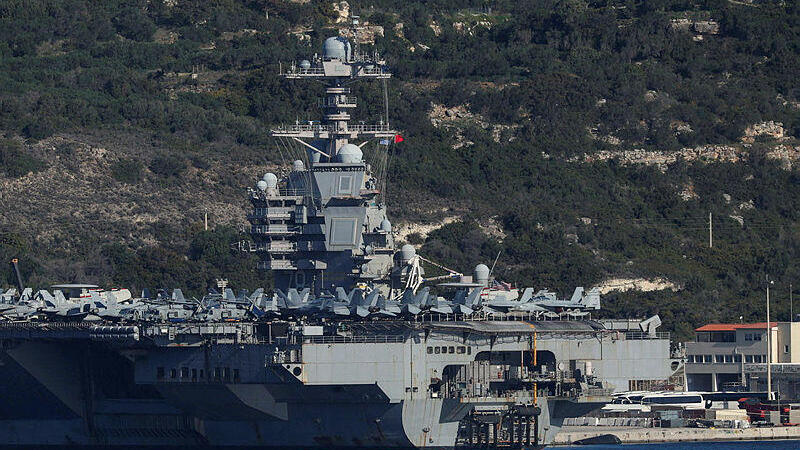
(Photo: REUTERS/Stelios Misinas TPX IMAGES OF THE DAY)
Its first operational mission was in 2014, when it carried out strikes against Islamic State targets. In 2023, it shot down a Chinese surveillance balloon over the Atlantic Ocean. It has not shot down a manned enemy aircraft.
Two years ago, when F-22s were deployed to the region amid preparations for a possible Iranian response, the Pentagon said the aircraft could also support defensive missions. “They can serve as a valuable defensive platform and add maneuverability and additional systems that provide commanders with a broader range of options,” officials said at the time.
The F-22s join a substantial U.S. force already deployed in the region. According to the Institute for National Security Studies in Tel Aviv, more than 200 American fighter jets are currently in the Middle East, and more than 300 if those in Europe are included. These include 36 F-15s, at least 48 F-35 stealth fighters and 36 F-16s.
In addition to fighter aircraft, U.S. forces in the region include more than 100 refueling, command-and-control, intelligence and transport planes. American strike groups include two aircraft carriers — the USS Abraham Lincoln, which arrived weeks ago, and the USS Gerald R. Ford, currently in the Mediterranean and sailing toward Israel after departing Crete on Thursday — as well as 12 destroyers.
'Last chance' talks
Meanwhile, a third round of negotiations between the United States and Iran began Thursday in Geneva. The talks are widely viewed in the Middle East as a last opportunity to reach a diplomatic solution that would avert a potential U.S. strike on the Islamic Republic, an action that could spark a regional war.
Trump: Iran wants to develop missiles that can reach America; I will not allow it to obtain nuclear weapons
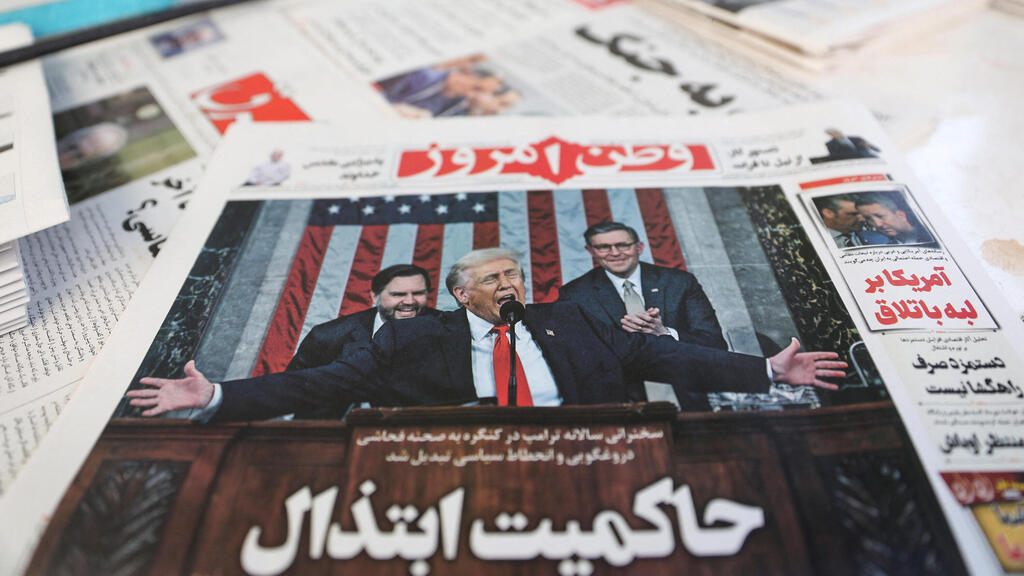
A photo of Trump during the State of the Union address on the front page of a Tehran newspaper, Thursday morning
(Photo: West Asia News Agency PROVIDED BY A THIRD PARTY)
As in previous rounds, the discussions are being held indirectly, mediated by Omani Foreign Minister Sayyid Badr bin Hamad Al Busaidi. He met Wednesday at Oman’s consulate in Geneva with Iranian Foreign Minister Abbas Araghchi and on Thursday with Trump envoys Steve Witkoff and Jared Kushner.
Al-Busaidi also met Thursday with International Atomic Energy Agency chief Rafael Grossi. Oman’s Foreign Ministry said they discussed “technical issues related to Iran’s nuclear program and new ideas currently under discussion as part of the negotiations.”
Iranian media reported that Araghchi conveyed Tehran’s updated proposal to the Omani mediator, to be passed to the American side, and claimed it “refutes all U.S. excuses regarding Iran’s nuclear program.” If Washington rejects the proposal, Iranian reports said, “it will confirm its lack of seriousness.”
The official Iranian news agency IRNA described the Geneva talks as “a test of preferring diplomacy over confrontation,” saying the outcome would affect not only Tehran-Washington relations but also regional stability. “Iran’s signals of flexibility in negotiations must be properly received by the United States for this round of talks to succeed,” the agency reported.