


Before ordering the launch of a military operation against Iran, President Donald Trump wants to ensure a high likelihood of operational success. Even if airstrikes do not lead to the collapse of the regime in Tehran, the last thing the U.S. administration wants to see is an aircraft shot down or a vessel hit by an Iranian missile or drone.
Against this backdrop, military cooperation between the IDF and U.S. Central Command, known as CENTCOM, is considered critical to the success of any potential move should Iran attack Israel.
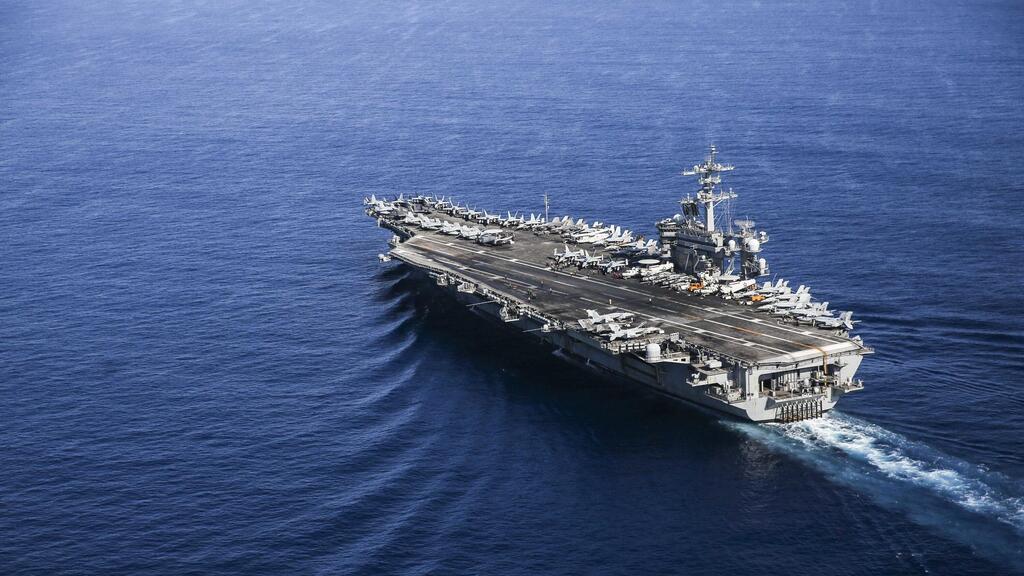
The Iranian Threat to the Aircraft Carrier Lincoln


This week it was reported that the head of Israel’s Military Intelligence Directorate, Maj. Gen. Shlomi Binder, plays a central role as a key figure in intelligence coordination with the United States. On Tuesday, it was cleared for publication that Binder visited Washington for three days to tighten cooperation and convey lessons learned from Operation Rising Lion. Officials familiar with the details said the American side expressed surprise at the level of Israeli capabilities in both the planning and execution phases of the operation, as well as at the quality of the up-to-date intelligence.
One of the main issues in coordination between the sides is the aspiration to achieve air superiority over Iranian airspace. During Operation Rising Lion Israel announced within 48 hours that it had achieved air superiority in the western part of the country, including over Tehran — an achievement considered exceptional by international standards.
By comparison, Russia has failed to achieve full air superiority in Ukraine even after a prolonged period of fighting, and U.S. forces are also contending with aerial threats in the Yemeni arena against the Houthis, where unmanned aerial vehicles have been hit. Air superiority allows greater freedom of action for air force aircraft and reduces reliance on expensive long-range missiles.
As part of the operation, nuclear facilities, air defense batteries, surface-to-surface missile arrays and military infrastructure were struck, and targeted killings of senior figures were carried out. According to security sources, the operation also involved new and classified capabilities developed jointly with Israel’s defense industries. At this stage, it is unclear to what extent the Americans were briefed on all aspects of these capabilities, but the assessment is that they constitute a significant component of the ability to carry out a broad military move.
The Intelligence Challenge
Another central issue is air defense for Israel and U.S. forces in the region. Israel has some of the most advanced systems in the world, and the United States is working to adapt and protect its air and naval assets in the area against evolving threats. The intelligence domain is assessed as more challenging in light of Iranian learning from Operation Rising Lion. Defense officials believe Iran drew lessons from the last confrontation, and that the element of surprise that characterized opening phases in the past has eroded.
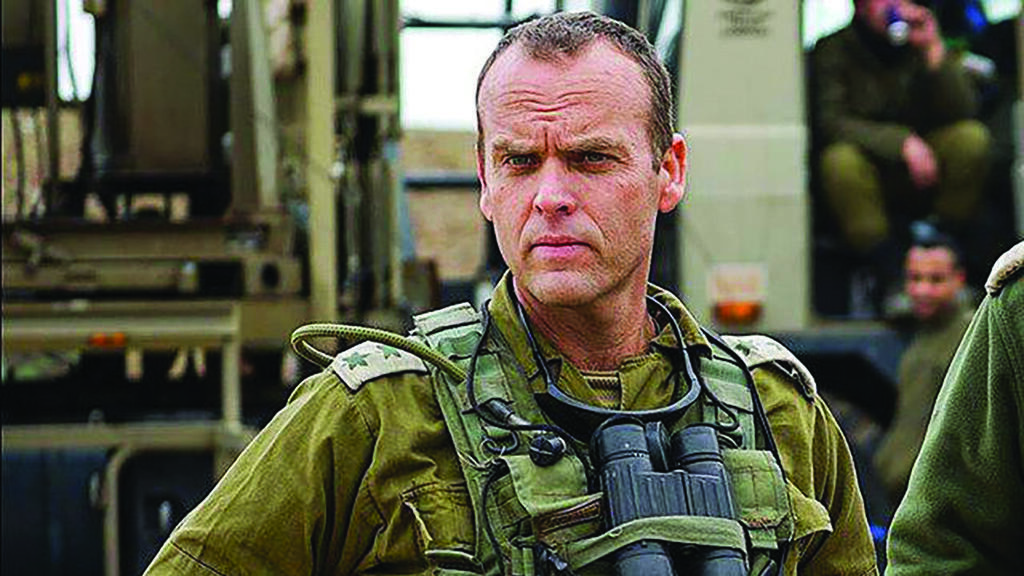
Maj. Gen. Shlomi Binder
(Photo: IDF)
At the same time, the defense establishment describes an accelerated competition of learning and adaptation between Iran and Israel and the United States, a process in which each side analyzes its adversary’s moves, improves capabilities and updates methods of operation. The actions carried out in June, according to professional sources, presented Iran with scenarios that in some cases went beyond its initial assessments — similar to the surprise effect Israel experienced on October 7 — but they say the space for surprise is now shrinking and the operational challenge is becoming more complex for all sides.
Alongside this, there has been an improvement in Israel’s and the United States’ ability to cope with missile and drone threats, with upgrades to detection, interception and response systems, even as Iran continues its own process of adaptation and learning. The defense establishment concludes that the mutual learning competition is narrowing gaps, making it harder to achieve a quick decision and requiring sustained, multidimensional and cautious preparedness by all actors.