


As days pass since the United States began preparing for the possibility of a strike on Iran, the figure emerging as most influential in Western military planning is the head of Israel’s Military Intelligence Directorate, Maj. Gen. Shlomi Binder.
Over the weekend, U.S. Navy Adm. Brad Cooper, commander of U.S. Central Command, arrived in Israel for a visit that included a series of meetings with senior defense officials, led by IDF Chief of Staff Lt. Gen. Eyal Zamir. The visit took place against the backdrop of heightened tensions with Iran and as the United States bolsters its military presence in the region as part of closer coordination with Israel.
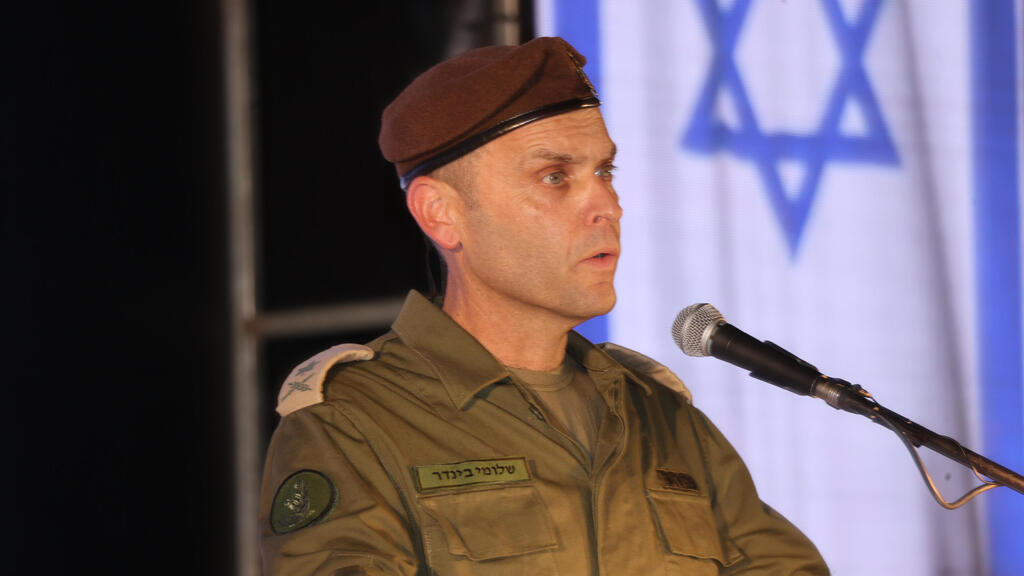
Cooper and his delegation met with the full general staff, but before leaving Israel, the CENTCOM commander held a dedicated meeting with Binder.
That meeting was considered particularly important for Cooper, who would be expected to lead any broader campaign. As a result, the visit to Israel was unusually long and significant. It is believed that the intelligence shared during the talks would serve the United States if and when President Donald Trump orders a strike. However, officials in Washington stress that Trump has not yet made a final decision on whether to authorize military action against Iran.
American officials say the extensive military buildup in the Middle East and the intensified coordination with Israel may be intended primarily as strategic pressure on Tehran and as leverage to advance renewed negotiations, rather than as a prelude to immediate military action. According to assessments, Trump is leaving himself wide room to maneuver, between presenting a credible military threat and attempting to extract significant political and military concessions from Iran without firing a shot.
In recent days, the United States has continued to increase its military deployment in the region. As part of the preparations, a U.S. aircraft carrier and its strike group have arrived in the Middle East, alongside an expanded deployment of fighter jets, refueling aircraft, destroyers and air defense systems.
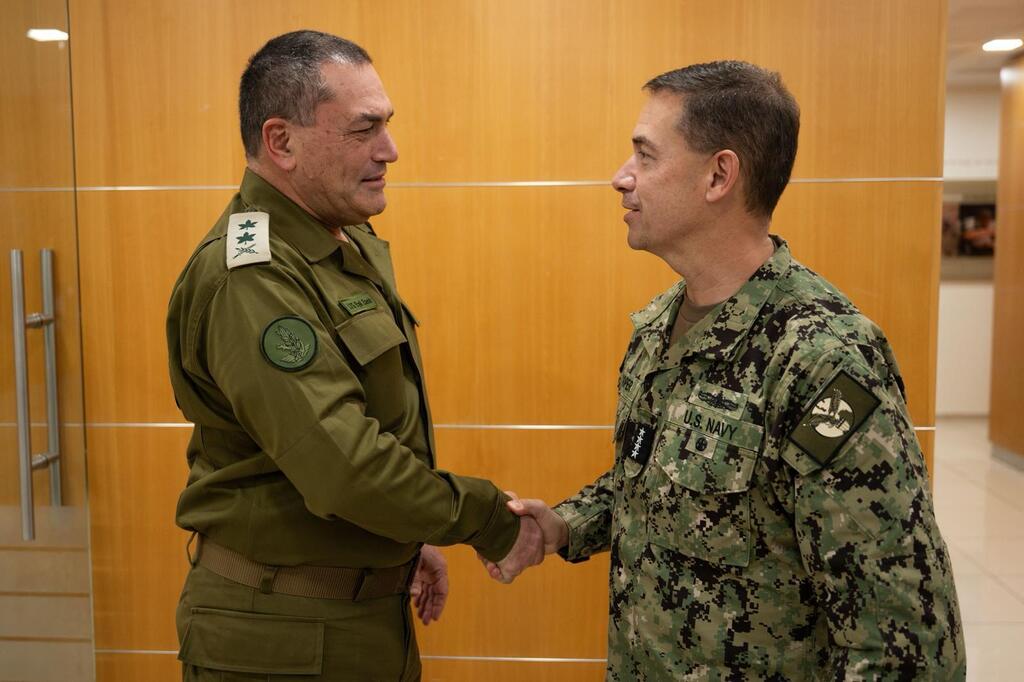
IDF chief of staff Eyal Zamir and Brad Cooper, commander of US Central Command
(Photo: IDF)
On Sunday night, U.S. Central Command, led by Cooper, announced that the aircraft carrier USS Abraham Lincoln and its strike group are operating in the Middle East to promote “security and stability” in the region. An Iranian official responded by warning that US aircraft carriers do not deter Tehran and would become targets in the event of an attack.
Officially, Israel has not said it would join any campaign, but Prime Minister Benjamin Netanyahu noted that the capabilities of what he described as the “axis of evil” are far from what they were on the eve of the war.
“We will continue to stand ready against any threat from Iran. Any attempt to harm us will be met with a decisive response. It would be one mistake too many,” Netanyahu said. Israeli participation alongside the Americans could act as a force multiplier, given Israel’s operational experience and accumulated confidence.
 Yossi Yehoshua
Meanwhile, Hezbollah Secretary-General Naim Qassem, who did not assist Iran during Operation With a Lion and did not respond to the killing of Iranian military chief Tavatabai, has issued threats but stopped short of committing to join the fighting. This is despite pressure from Iran’s foreign minister, who traveled to Beirut about a week ago in an effort to persuade him to intervene.
In a speech delivered yesterday at a pro-Iran conference in Beirut’s Dahieh district, Qassem said: “In recent months, we have often been asked whether Hezbollah would intervene if the United States and Israel open a war against Iran. When the time comes, we will decide how to act, whether to intervene or not. We are not neutral in the face of an attack on Iran.” He warned that such a war would ignite the entire region.
If Hezbollah does intervene, Israel is preparing for a disproportionate response, based on plans that have been on the shelf until now but are expected to be far more significant this time.