

The United States announced it will hold a large-scale air exercise in the Middle East, as Iran showcased what it described as a new drone carrier and regional tensions continued to escalate.
U.S. Central Command said it will conduct an operational readiness exercise across its area of responsibility, aimed at demonstrating the ability to deploy, disperse and sustain combat airpower. The exercise comes amid a buildup of U.S. forces in the region and heightened concerns about a possible confrontation with Iran.
The drone carrier unveiled by Iran


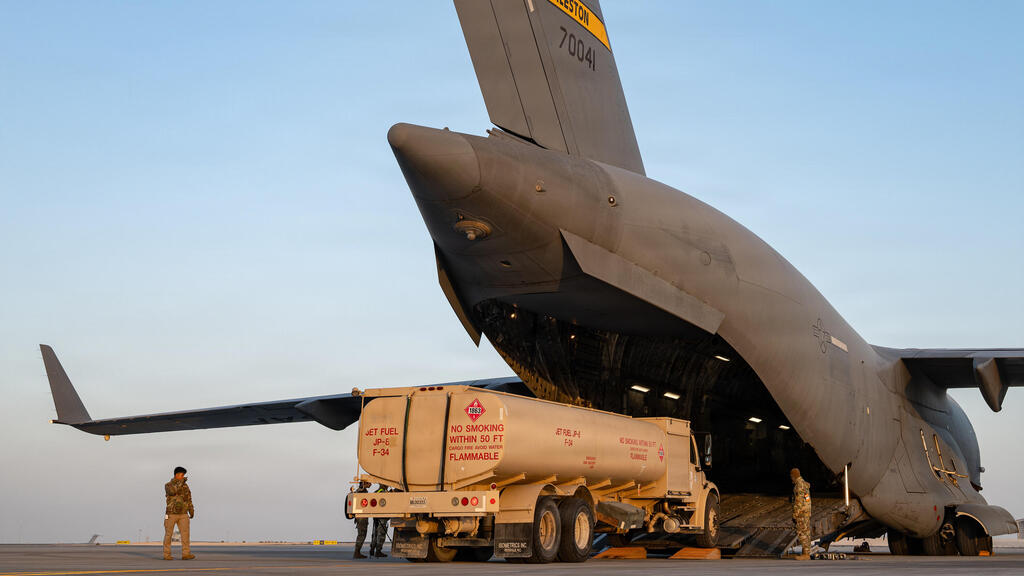
According to CENTCOM, the exercise is intended to improve the dispersal of assets and personnel, strengthen regional partnerships and prepare for rapid responses throughout the command’s area. Air crews will deploy to multiple contingency locations, with the approval of host nations and in close coordination with civilian and military aviation authorities, the statement said.
Lt. Gen. Derek France, commander of the air component for U.S. Central Command, said U.S. airmen are proving they can operate and fly missions under challenging conditions with safety, precision and cooperation with partners. “This is about upholding our commitment to maintaining combat-ready Airmen and the disciplined execution required to keep airpower available when and where it’s needed,” France said.
Gallery
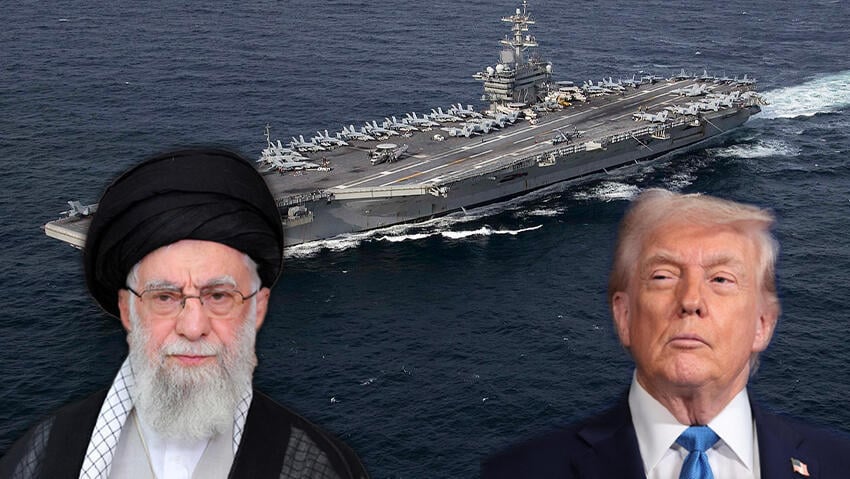
(Photo: REUTERS/Jonathan Ernst, Office of the Iranian Supreme Leader/WANA (West Asia News Agency)/Handout via REUTERS)
The announcement followed the arrival of the U.S. aircraft carrier Abraham Lincoln in the Middle East, accompanied by several warships, according to two U.S. officials cited by Reuters. The deployment comes amid speculation that President Donald Trump could soon order U.S. military action against Iran.
The New York Times reported that officials in the Middle East have expressed growing concern that the United States could strike Iran in the coming days, and that any response could include attacks by Iran and its allies on U.S. bases in the region.
The carrier strike group includes several destroyers operating under CENTCOM. On Thursday, Trump said the United States has an “armada” heading toward Iran, while expressing hope that it would not need to be used. Reports said the destroyers are equipped with Tomahawk cruise missiles with ranges of about 900 to 1,500 miles, capable of striking strategic targets deep inside Iran from distant maritime positions.
The U.S. military also conducted a similar exercise over the weekend to demonstrate its ability to deploy combat airpower. A senior Iranian official said last week that Tehran would view any U.S. attack as a “full-scale war” against the country. In Tehran, a large billboard was displayed in Revolution Square showing a U.S. aircraft carrier under attack, with fighter jets on its deck.
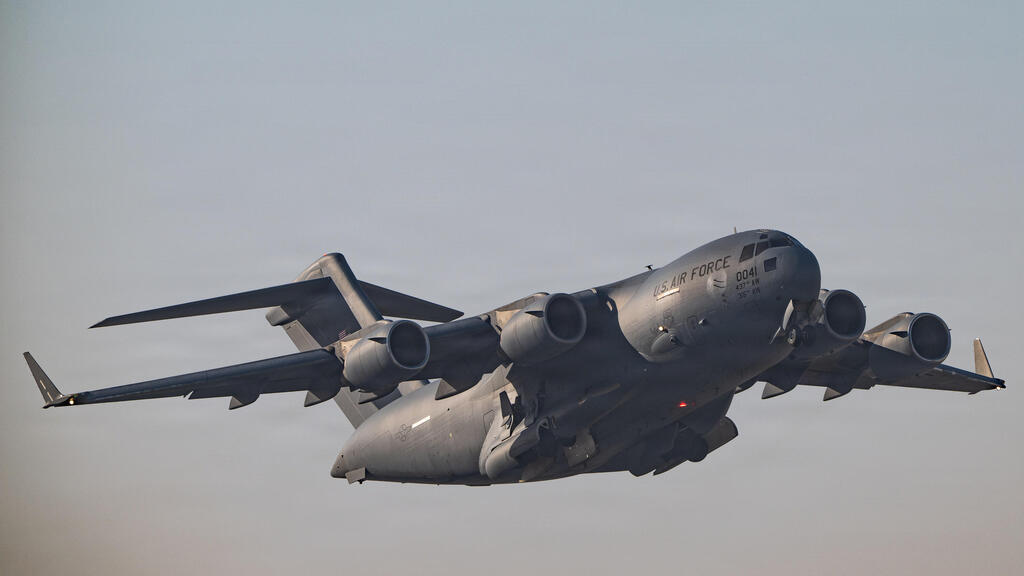
US Air Force exercise
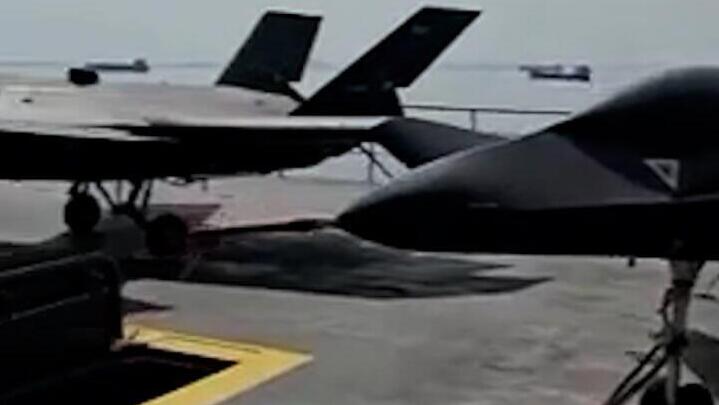
The Iranian drones
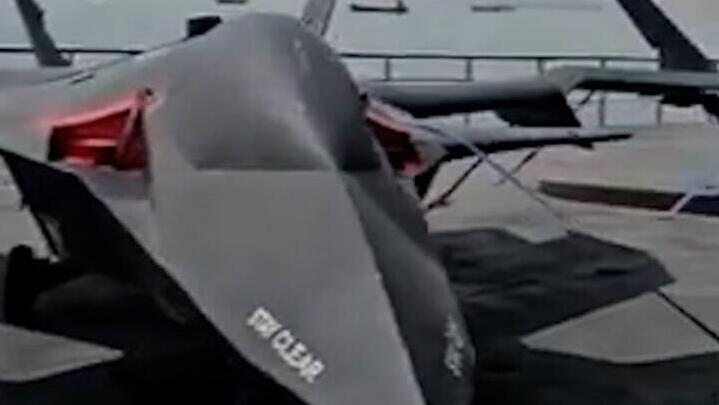
Iranian state-linked media also continued to send signals. Press TV published footage of what it described as the Shahid Bagheri drone carrier, saying drones were stationed aboard and ready to respond to any attack on Iran.
Meanwhile, Turkey is preparing for the possibility of a refugee influx if Iran’s government were to collapse. The Middle East Eye reported that Turkey’s Foreign Ministry briefed members of parliament on recent developments in the Middle East, particularly in Iran and Syria.
During a closed-door session of the parliament’s foreign affairs committee, officials emphasized that Turkey does not support foreign intervention or destabilization in the region. Turkish officials assessed that the fall of Iran’s government could trigger large-scale migration. “We are preparing for every scenario, with plans A, B and C,” one official said, according to the report. “We believe that in the event of migration, there should be a buffer zone to ensure those arriving remain on the Iranian side.”
Earlier this month, Turkish media reported that Ankara had completed an extensive system of technological barriers along its 350-mile border with Iran. The measures include more than 200 electro-optical towers, additional towers equipped with elevators, a modular concrete wall stretching about 235 miles and hundreds of miles of defensive trenches.
First published: 16:52, 01.27.26