

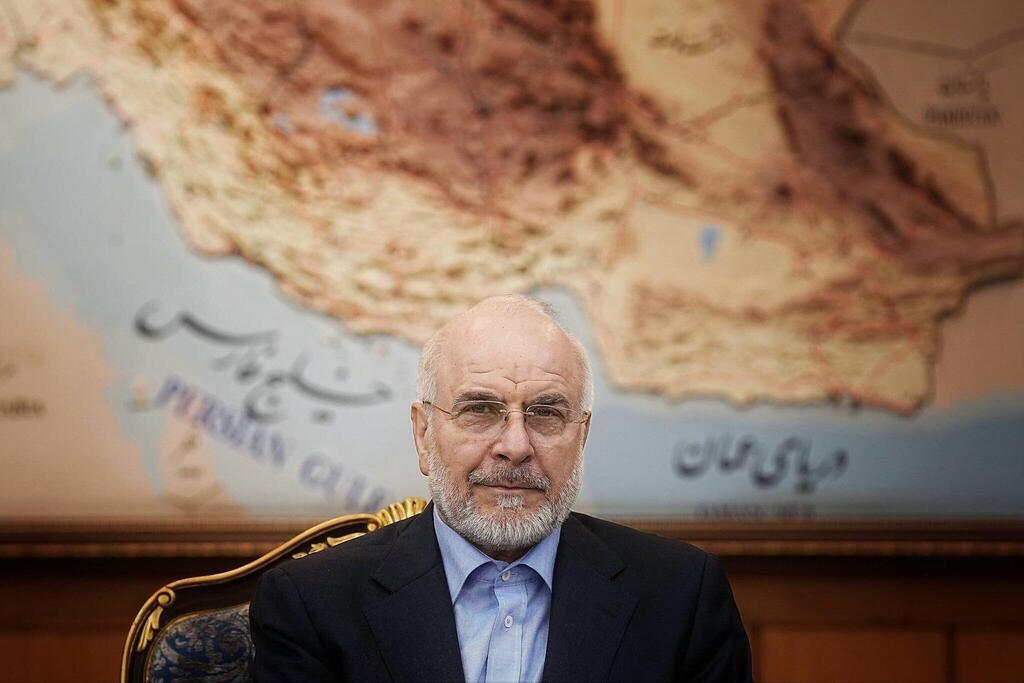
A tweet by Iranian Parliament Speaker Mohammad Bagher Ghalibaf, who has been visiting Iraq for the past three days, sparked an online uproar over the name of the gulf bordered by Iran, Saudi Arabia, Iraq, Kuwait, Bahrain, Qatar, the United Arab Emirates and Oman: Is it the Persian Gulf or the Arabian Gulf?
On Wednesday, the first day of Ghalibaf’s visit to Iraq — a neighbor with which Iran fought a war in the 1980s — the Iranian official posted a photo of himself on X in the evening, standing in front of a map of the gulf labeled “Persian Gulf,” as Iran calls it. The post, published while Ghalibaf was on Iraqi soil, drew widespread attention and comes amid a decades-long dispute over the gulf’s name. Iran calls it the “Persian Gulf,” a name more commonly used by international bodies when referring to the region. Other countries along the gulf, however, favor the name “Arabian Gulf” amid longstanding political tensions.
Ghalibaf thrown to the ground: 'A lesson he won't forget'
Before Ghalibaf posted the photo Wednesday, he met, among others, with his Iraqi counterpart, Mohammed al-Halbousi. According to Iraq’s official news agency, the two held talks focused on ways to strengthen relations between the two countries. Al-Halbousi stressed the importance of developing cooperation in various fields, noted that Iraq was among the countries most affected by the war and developments in the region and called on Ghalibaf to ensure that Iraq receives special status regarding its oil exports through the Strait of Hormuz, in a way that protects its economic interests. According to the agency, Ghalibaf affirmed his country’s commitment to strengthening bilateral cooperation, particularly in trade and the economy.
Despite the meeting being described as “positive,” the atmosphere appeared to change after Ghalibaf’s post. On Thursday, al-Halbousi posted a photo of himself on X in front of a map of the gulf labeled “Arabian Gulf.” He added the hashtag “#Arabian_Gulf.”
The issue went viral on social media following al-Halbousi’s post. Some users expressed support for the Iranian official, while others backed al-Halbousi. One user uploaded an AI-generated video to X depicting a physical confrontation between al-Halbousi and Ghalibaf, in which the Iraqi official throws his Iranian counterpart to the ground against the backdrop of a map of the gulf. The user wrote: “Iraq of honor, pride and Arab glory. Hayder al-Halbousi teaches Ghalibaf a lesson he will never forget and proves that Iraq has men who understand its deep Arab roots.”
An AI-generated video to X depicting a physical confrontation between al-Halbousi and Ghalibaf


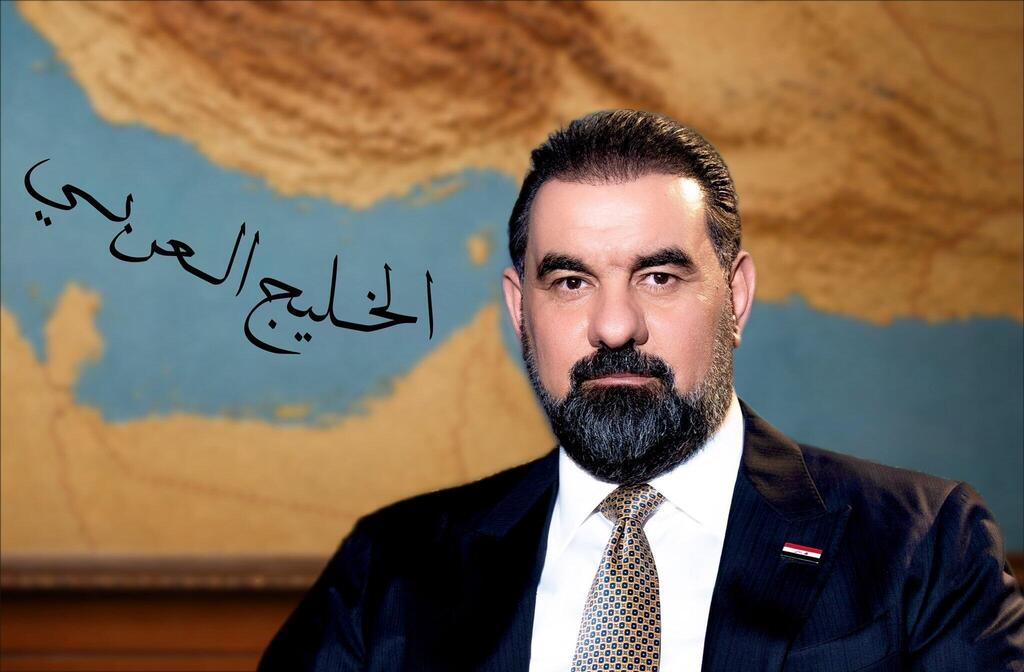
The Iraqi official’s response: 'Arabian Gulf'
A well-known Iraqi commentator wrote Thursday about the incident: “Ghalibaf is still in Iraq, but he posted a photo of himself for no apparent reason or purpose other than the background — a map of the gulf labeled ‘Persian Gulf.’ Shortly afterward, the speaker of the Iraqi Parliament posted a photo of himself with the gulf in the background and the words ‘Arabian Gulf.’ The two men officially met yesterday and exchanged gifts, but the Iranian official wanted to make a point and the response came quickly.”
The militias at the heart of the dispute and the disarmament deadline
The unusual confrontation comes against the backdrop of significant tensions in recent months within Iraq and between Baghdad and Tehran. Pro-Iranian Iraqi factions operate in the country and some are even part of its official security apparatus. On the other side are Iraqi factions that oppose Iranian involvement in the country.
The Iraqi government, led by Prime Minister Ali al-Zaidi, has been trying in recent months to balance its relations with Iran while maintaining ties with the United States. Washington wants the pro-Iranian militias in the country to disarm and, in July, carried out strikes together with Saudi Arabia on positions belonging to the Popular Mobilization Forces, a major Iraqi umbrella organization considered part of the security forces that includes pro-Iranian militias. The U.S. demand is that the militias surrender their weapons and withdraw from the organization. According to a report in The New York Times, about 20 Iranian advisers were killed in the strikes, some of them members of the Islamic Revolutionary Guard Corps and others technical advisers.
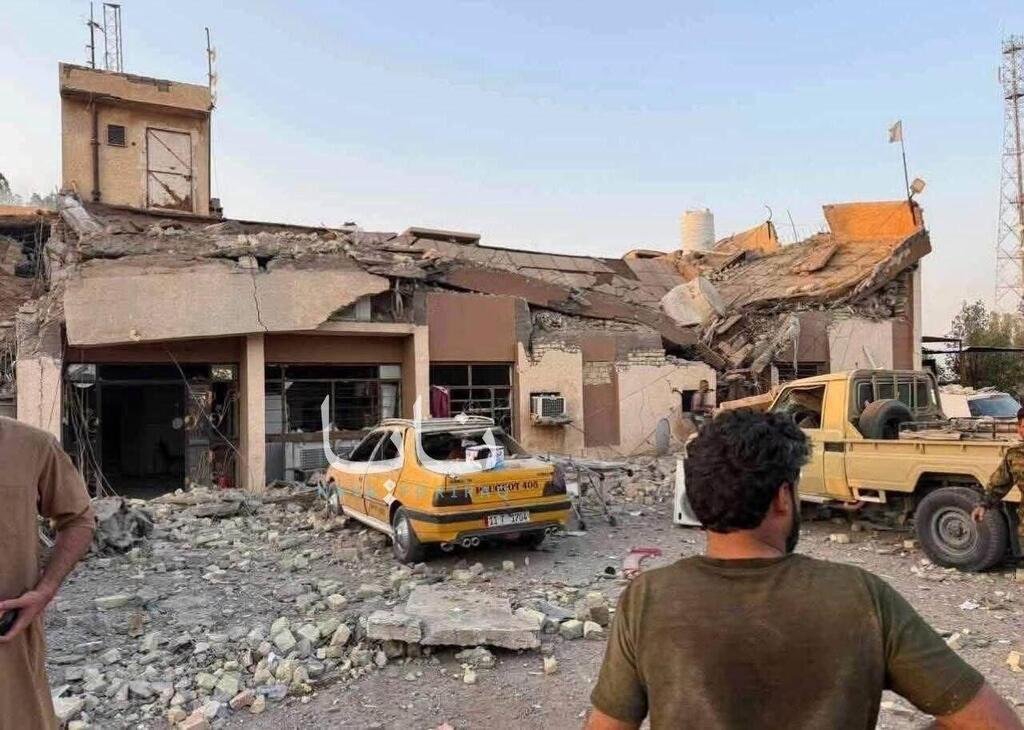
Damage from the US-Saudi strikes in Iraq, July
Footage of the strikes in Iraq
Iraq has set the end of September as the deadline for the militias to disarm, the same date on which the U.S.-led international coalition established as part of the war against ISIS is expected to leave the country. Some militias have already announced that they will disband and hand over their weapons, while others have firmly refused.
Iran, for its part, fears losing its influence in Iraq if the militias disarm and disengage from the Popular Mobilization Forces. Against this backdrop, senior Iranian officials have been visiting Iraq in recent weeks, and Arab media reported in recent days on a visit by Esmail Qaani, commander of Iran’s Quds Force. Iran has repeatedly sought to highlight what it describes as the deep ties between Iran and Iraq. Funeral processions for Ali Khamenei in Iraq were also part of this effort.
According to reports Friday, Ghalibaf met during his visit to Iraq with families of those killed in the recent Saudi-American strikes against the Popular Mobilization Forces in Iraq. Ghalibaf was quoted as saying: “The resistance axis is stronger today than ever in confronting global arrogance. The U.S. and Israel must understand that the unity of the Islamic nation, especially between the Iranian and Iraqi peoples, will never be shaken or broken.”
Iraqi Prime Minister Ali al-Zeidi addressed the issue of militia disarmament Friday: “All political forces completely agree on continuing to concentrate weapons in the hands of the state, and work is underway on mechanisms for handing over the weapons. The presence of weapons outside state control will create an environment that deters investment, and this is unacceptable and not in the interests of Iraqis.”
Meanwhile, according to a report in the Saudi newspaper Asharq Al-Awsat, Ghalibaf discussed proposals during his visit to Baghdad aimed at preventing a confrontation between the government and Iraq’s pro-Iranian militias. Among the proposals were freezing or concealing heavy weapons, with the possibility of “transferring a large portion of those weapons to Iran temporarily, until an agreement is reached regarding the future of the weapons.”