

Like the children born in the winter of 1973, those born around October 2023 will likely carry the consequences of the war into which they were born. A new study, exceptional in its scope, aims to answer precisely how these circumstances will affect them and their families.
Gallery
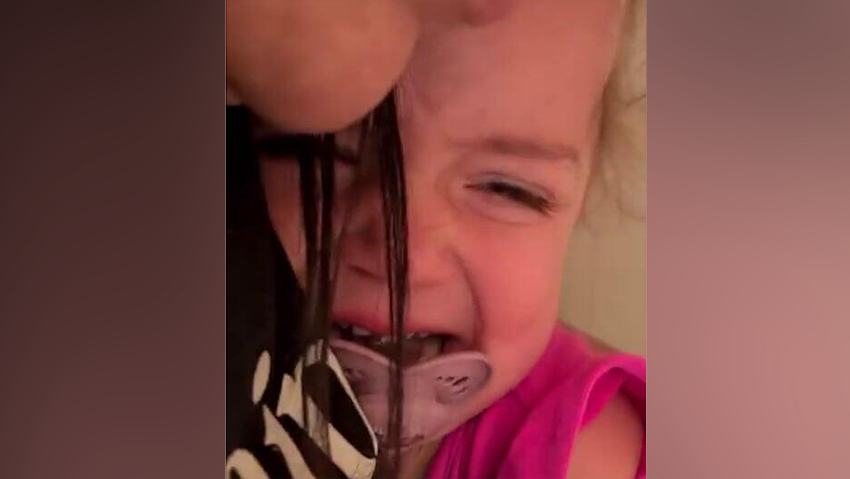
'An entire generation of children and families is growing up here having been affected by the security situation'
(Photo: Michal Dadia)
Six leading Israeli universities have joined forces to develop a research framework that will collect data and observations from at least 1,000 young children from diverse families across Israel, tracking their development in the shadow of war.
"An entire generation of children and families is growing up here having been affected by the security situation," said Prof. Florina Uzefovsky of the DUET Center for Early Childhood Research at Ben-Gurion University of the Negev, who is leading the study.
According to Uzefovsky, studies already published in Israel following October 7 have documented a range of symptoms and consequences of the prolonged war, including children wetting the bed and displaying signs of distress. The research shows that these symptoms do not disappear when the rocket sirens fall silent.
"In children, just as in adults, it is often precisely when things calm down that issues begin to surface," she said.
'We want to see how parents play with their children'
The new study, called NETA, an acronym in Hebrew for Trauma and Resilience Pathways, aims to examine the cumulative effects of living under rocket sirens and stress, and how these experiences influence children's development and relationships within the family.
The researchers are seeking families from across Israeli society who share one characteristic: They have children born between April 2023 and April 2025.
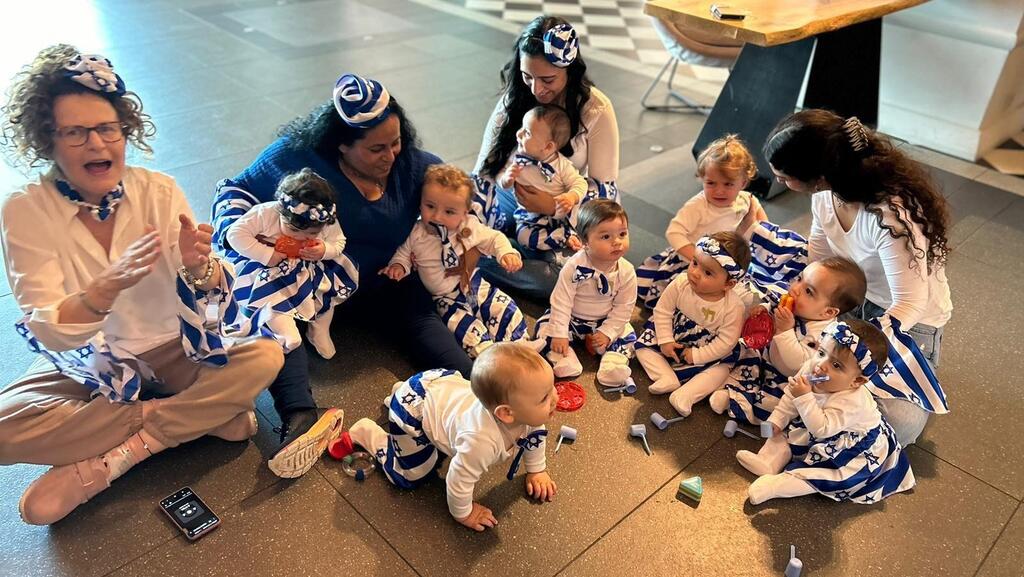
Babies from Kibbutz Nir Am, evacuated to Tel Aviv following the October 7 massacre
Families who volunteer to participate will be asked to complete questionnaires describing how they experienced the emergency situation, including rocket sirens, evacuation and having a parent serving in the military reserves.
The researchers also will collect hair samples from children and family members to examine various biological indicators.
Trained university students will then visit participating families at home for several hours. "We want to see how parents play and interact with their children and assess the children's development," Uzefovsky said.
For the children, the research observation is experienced as something fun, since it involves playing games and having their parents read stories to them. Participating families also will receive a gift in appreciation of their time.
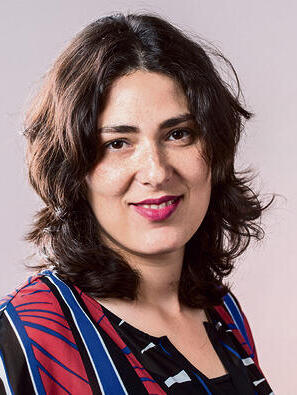 Prof. Florina Uzefovsky Photo: Dani Machlis, Ben-Gurion University of the Negev
One of the study's goals is to identify the different factors that may influence the development of distress, both positively and negatively. The findings will help researchers develop responses tailored to the needs identified over the years.
The study, funded primarily by the Planning and Budgeting Committee of Israel's Council for Higher Education, brings together leading researchers in child development, psychology and neuroscience from six universities.
The research team includes Dr. Tal Yatziv and Prof. Ariel Knafo-Noam of the Hebrew University of Jerusalem; Prof. Anat Zaidman-Zait of Tel Aviv University; Dr. Joy Ben-Tov of the University of Haifa; Prof. Tzipi Horowitz-Kraus of the Technion; Dr. Tali Frenkel of the Resilience Center at Reichman University; and Prof. Naama Atzaba-Poria, Prof. Andrea Berger and Dr. Noa Gueron-Sela of Ben-Gurion University of the Negev.