


A new annual report by the human rights organization HRANA, based in Washington, says Iran executed at least 1,922 people in 2025, more than double the number recorded last year, against the backdrop of the 12-day war with Israel and repeated regime claims of arresting Israeli spies.
The Wall Street Journal also addressed the issue, citing another human rights group that put the number at at least 1,870 executions. Either way, rights organizations say the figures represent a decades-long high.
The HRANA report covers the period from January 1 through December 20 and finds that executions rose by 106 percent compared with 2024, pointing to a sharp escalation in the Iranian judiciary’s use of the death penalty.
Most of the executions documented in the report were carried out behind closed doors, though at least 10 were conducted publicly. The report also says 95 percent of executions were not officially announced by Iranian authorities or state-affiliated media, a practice described as a lack of transparency.
In addition to those executed, at least 168 people were sentenced to death in 2025, while Iran’s Supreme Court approved death sentences in at least 56 cases.
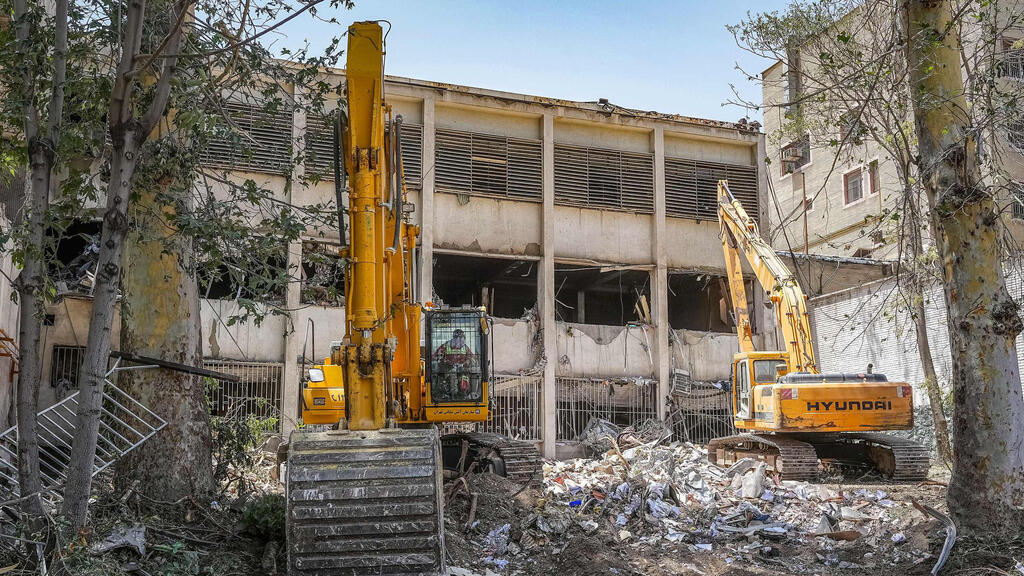
Reconstruction work at Evin prison, which was bombed during the 12-day war
(Photo: Mostafa Roudaki / MIZANONLINE / AFP)
Of those executed, 1,681 were men and 59 were women. The gender of the remaining individuals could not be confirmed due to limited information. According to the report, executions were overwhelmingly tied to two categories of charges: murder and drug offenses. Murder cases accounted for 47.55 percent of executions, while drug-related offenses made up 46.10 percent.
HRANA also documented the execution of at least two individuals who were under 18 at the time of the alleged offenses, a practice the report says places Iran among the few countries that continue to execute juvenile offenders in violation of international law.
An article citing the report on the opposition outlet Iran International said human rights organizations have long criticized Iran’s use of the death penalty for drug-related crimes, arguing that such cases often involve unfair trials and disproportionately affect poor and marginalized communities.
The report also found that executions were unevenly distributed geographically. The highest numbers were recorded in Alborz province, home to Ghezel Hesar prison, one of Iran’s main execution facilities. Other provinces with high execution rates included Razavi Khorasan, Isfahan, Fars and Lorestan.
Among the prisons most frequently cited in connection with executions were Ghezel Hesar in Karaj, Dastgerd prison in Isfahan and Adelabad prison in Shiraz.
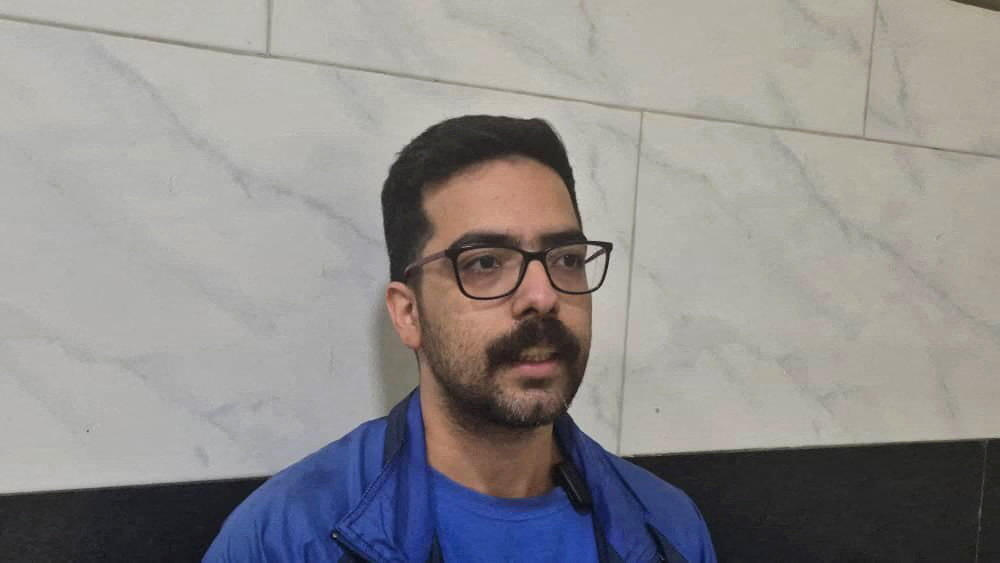
Kashavarz, who was executed in Iran on charges of spying for Israel
(Photo: Mizan News Agency/WANA /Handout via Reuters)
HRANA data show that executions declined between 2015 and 2020, before rising sharply from 2021 onward and reaching a peak in 2025. The report framed the increase as part of a broader pattern of human rights violations.
In 2025, HRANA documented at least 2,606 protests and strikes across Iran, many tied to unpaid wages, inflation and worsening living conditions. The organization also recorded thousands of cases involving prisoner rights violations, including prolonged detention without trial, denial of medical care, solitary confinement and transfers to unsuitable detention facilities.
International concern over Iran’s execution practices also reached the United Nations this year. In July, the UN called on Iran to halt the use of the death penalty. At the time, at least 612 executions had already been reported since the start of the year.
Executions were also carried out following the June conflict with Israel, with many individuals accused of cooperation with Israel and espionage.
Just last week, Iranian media reported the execution of another man convicted of ‘spying for Israel, cooperating with an intelligence body and photographing military and security sites.’ Iran’s Tasnim news agency said the man, identified as 27-year-old Aqil Kashavarz, was executed after approval by the Supreme Court and following legal proceedings.
In October, Iran also reported the execution of another individual accused of spying for Israel. According to reports at the time, the man had maintained contact with the Mossad and passed classified material to the organization.