

In a politically sensitive move following Israel’s unprecedented strike in Qatar, the Trump administration has asked Congress to approve nearly $6 billion in new arms sales to Israel, the Wall Street Journal reported Friday.
The proposed package includes the purchase of 30 AH-64 Apache helicopters worth $3.8 billion, nearly doubling Israel’s current fleet of combat helicopters, according to documents reviewed by the paper. In addition, the administration is seeking approval for a $1.9 billion deal to acquire 3,250 armored personnel carriers for the IDF.
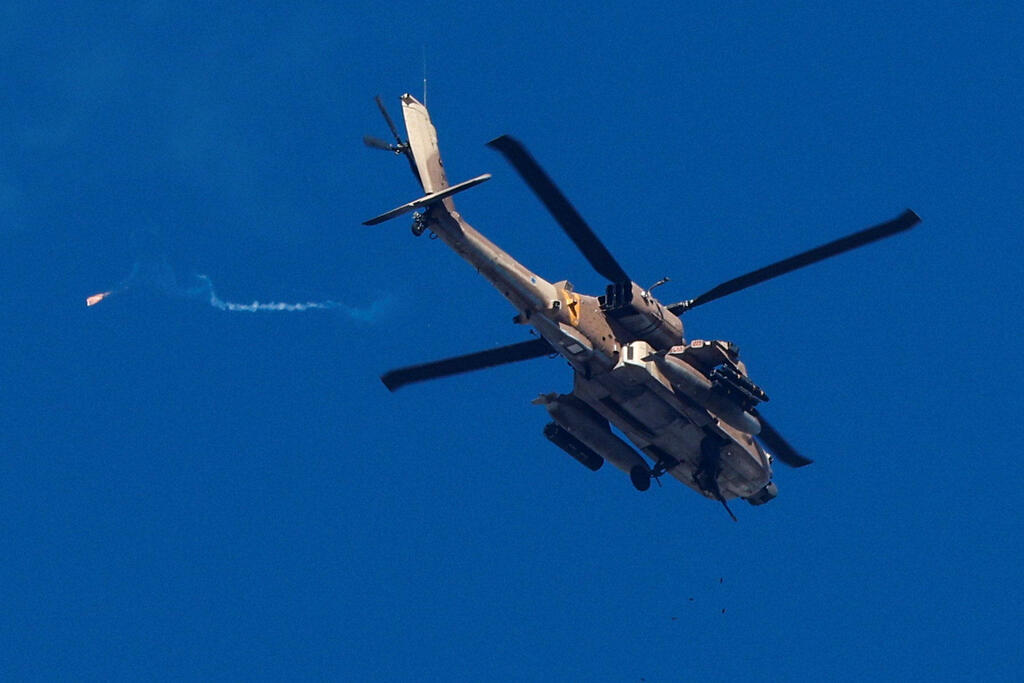
A person familiar with the matter told the Journal that delivery of the weapons was unlikely within the next two to three years. As is customary, the purchases would be financed through U.S. military aid to Israel, meaning they would be covered by American taxpayers. Israel acquires most of its U.S.-made weaponry through the annual multibillion-dollar security assistance package provided by Washington.
At this stage, the State Department has formally requested clearance from the four senior lawmakers who lead the Senate and House foreign affairs committees, Republicans and Democrats alike. Major arms sales normally require their consent before the administration can send a broader notification to Congress and the public.
The proposed arms sales were submitted to congressional leaders about a month before last week’s Israeli strike in Qatar that targeted Hamas leadership based there. But the administration pressed ahead with its request even after the operation, which reportedly stunned U.S. officials and drew condemnation from Washington’s regional partners. Qatar is considered one of America’s most important allies in the Gulf.

US President Donald Trump
(Photo: Leon Neal/Pool via REUTERS)
In an effort to contain the fallout, U.S. President Donald Trump hosted Qatari Prime Minister Mohammed Al Thani for dinner at the White House just days after the strike, pledging to Gulf officials that there would be no repeat attack. Secretary of State Marco Rubio also traveled to Qatar immediately after his visit to Israel.
Although Trump was said to be furious with Prime Minister Benjamin Netanyahu in the days following the strike, the administration has continued to demonstrate, at least publicly, broad support for Israel, even as the ground phase of Israel’s Operation Gideon's Chariots II in Gaza gets underway.