

The annual pilgrimage season officially began in Saudi Arabia on Monday, against the backdrop of fears of renewed war with Iran, which would likely bring fresh missile and drone attacks by Tehran on Gulf states. Pilgrims circle the Kaaba, seek God's forgiveness and describe a profound spiritual uplift: “A feeling impossible to put into words.” Fadel from the U.S. ignored a travel warning: “Even if the war were still ongoing, I would not have backed out.” Ibrahim travelled all the way from Germany: “A once-in-a-lifetime opportunity.”
The annual Hajj pilgrimage is one of Islam’s five pillars. More than 1.5 million Muslim pilgrims arrived in the kingdom from abroad this year, amid a fragile ceasefire in the conflict with Iran, any renewed fighting in which is expected to bring more missile and drone fire into Saudi territory.
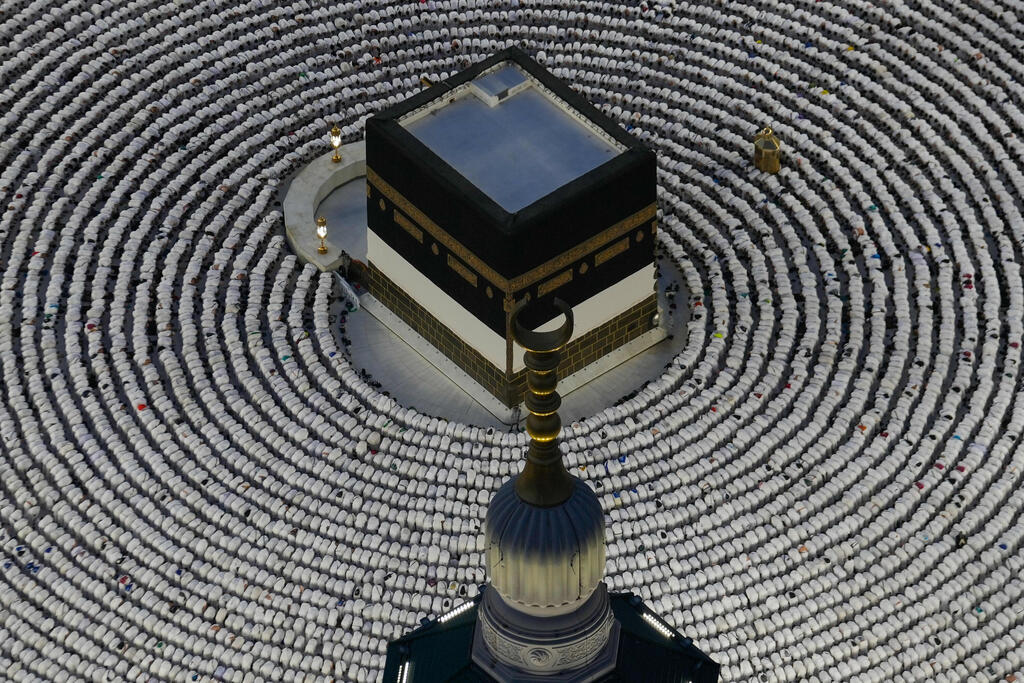
Performing the Hajj is a religious duty for every Muslim who is physically able and can afford it. For believers, the pilgrimage can be a deeply emotional spiritual experience and an opportunity to seek God's forgiveness for past sins. Some Muslims spend years hoping and praying to perform the Hajj one day, or saving money and waiting for the long-awaited approval to make the journey.
Samia Abdel Moneim, a pilgrim from Egypt, said in Mecca on Monday that she was grateful to Allah for reaching the Hajj. “I am blessed and happy. It’s a feeling impossible to describe in words.”
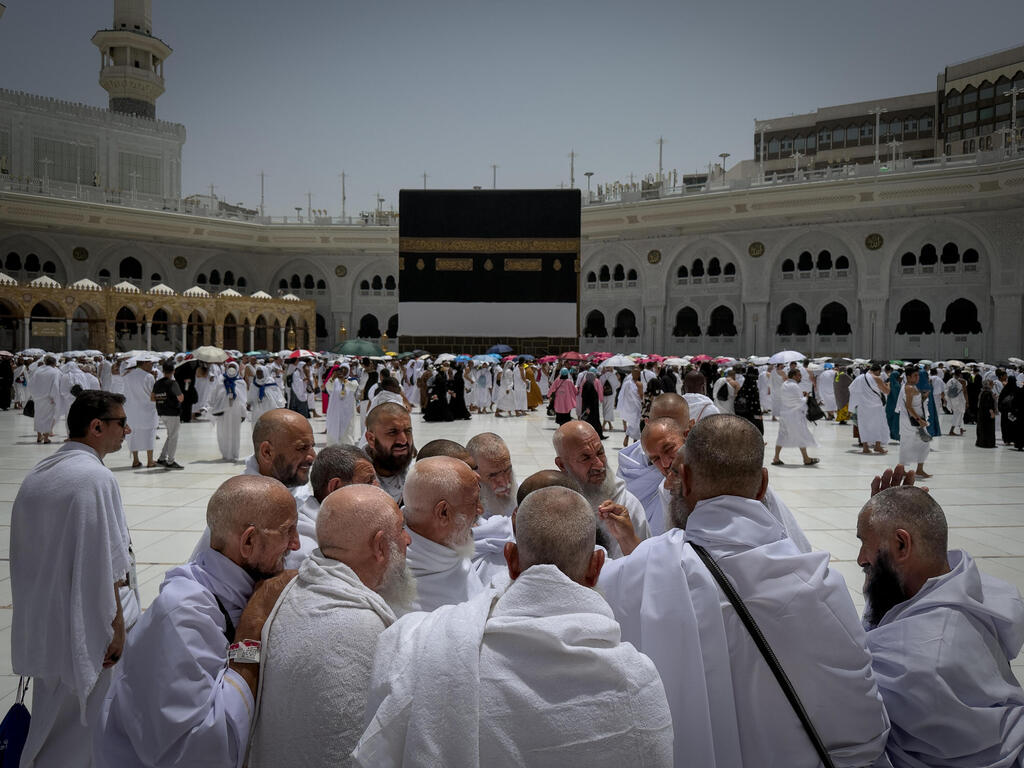
'I would have come even during war.'
(Photo: AP Photo/Altaf Qadri)
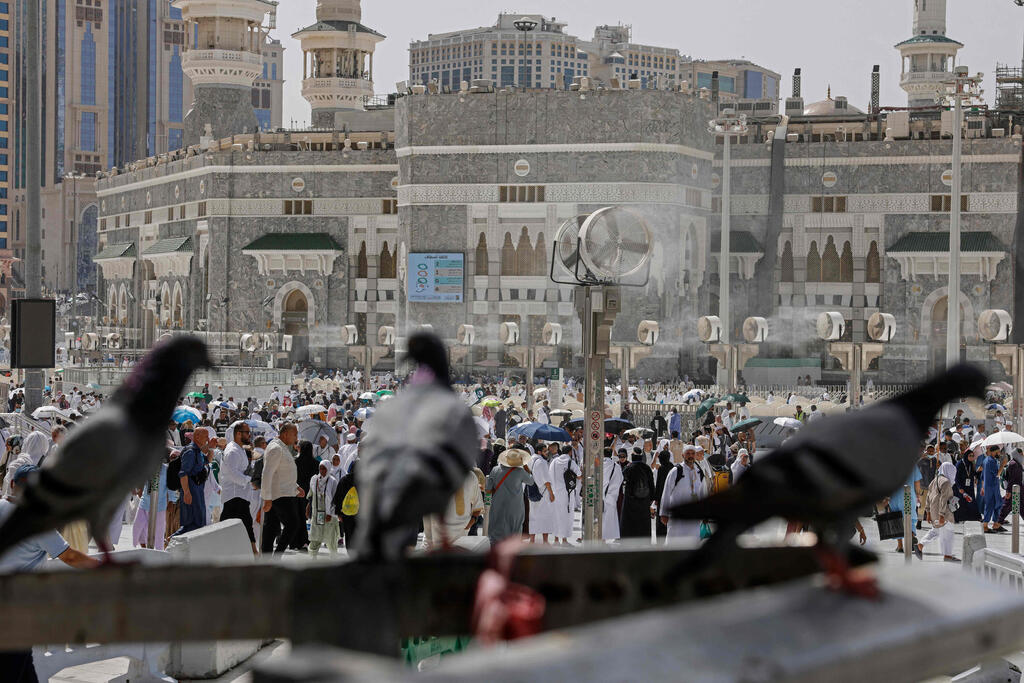
The annual pilgrimage season
(Photo: Zain JAAFAR / AFP)
During their stay in Mecca, pilgrims perform Hajj rituals over several days, with many staying in the vast tent city of Mina and praying there. Throughout the ceremonies, they circle the Kaaba, the sacred stone structure inside Mecca’s Grand Mosque.
On Tuesday, considered the peak day of the pilgrimage, pilgrims will gather on the Plain of Arafat, where they will praise God, plead for forgiveness and offer prayers. Many carry prayer requests from loved ones, raise their hands in worship and shed tears. The Hajj brings together vast numbers of Muslims from different races, ethnic backgrounds, languages and economic classes, creating a sense of unity for many participants.
Pilgrims are again contending with intense heat this year. Many carry umbrellas for shade or portable fans. Volunteers distribute water bottles to help them stay hydrated, while large cooling fans installed by Saudi authorities spray fine water mist into the air.
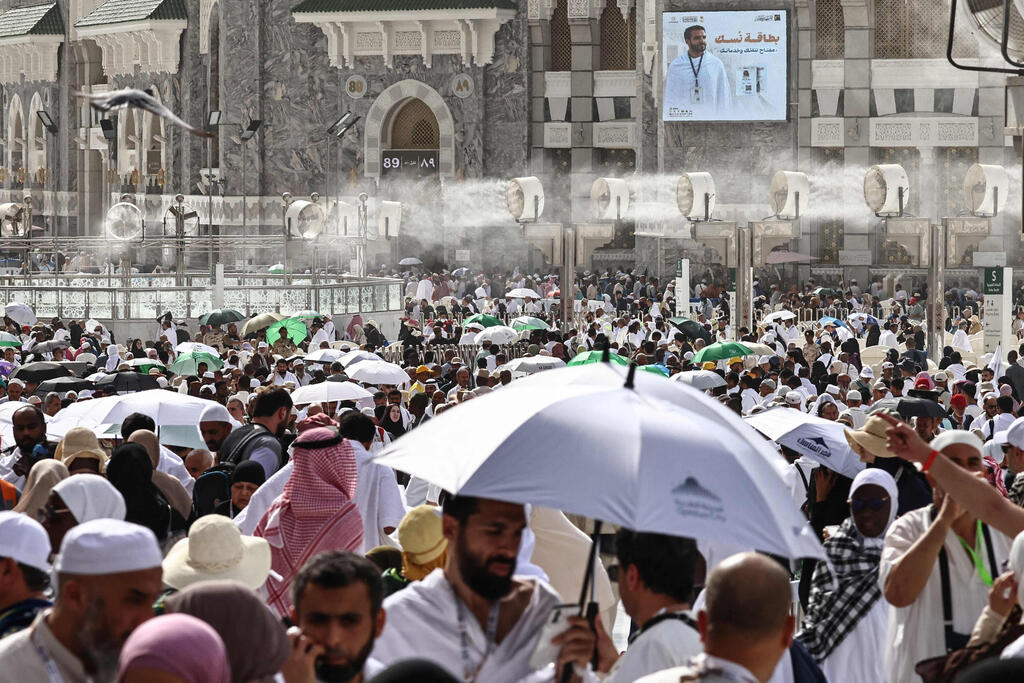
Many carry umbrellas for shade or portable fans
(Photo: Zain JAAFAR / AFP)
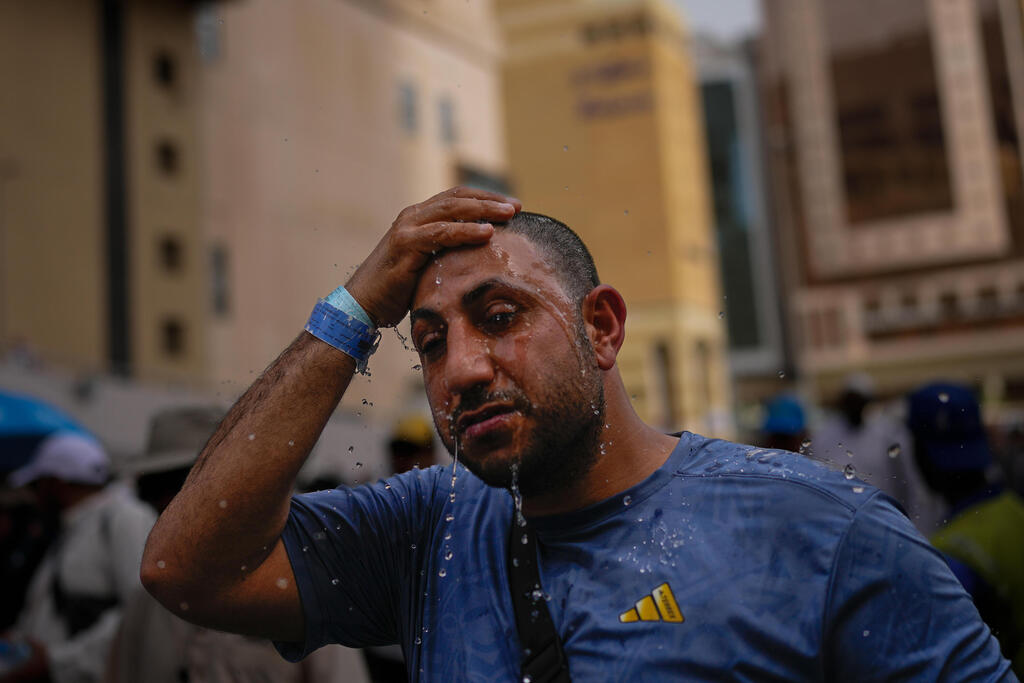
Pilgrims are again contending with intense heat this year
(Photo: AP Photo/Altaf Qadri)
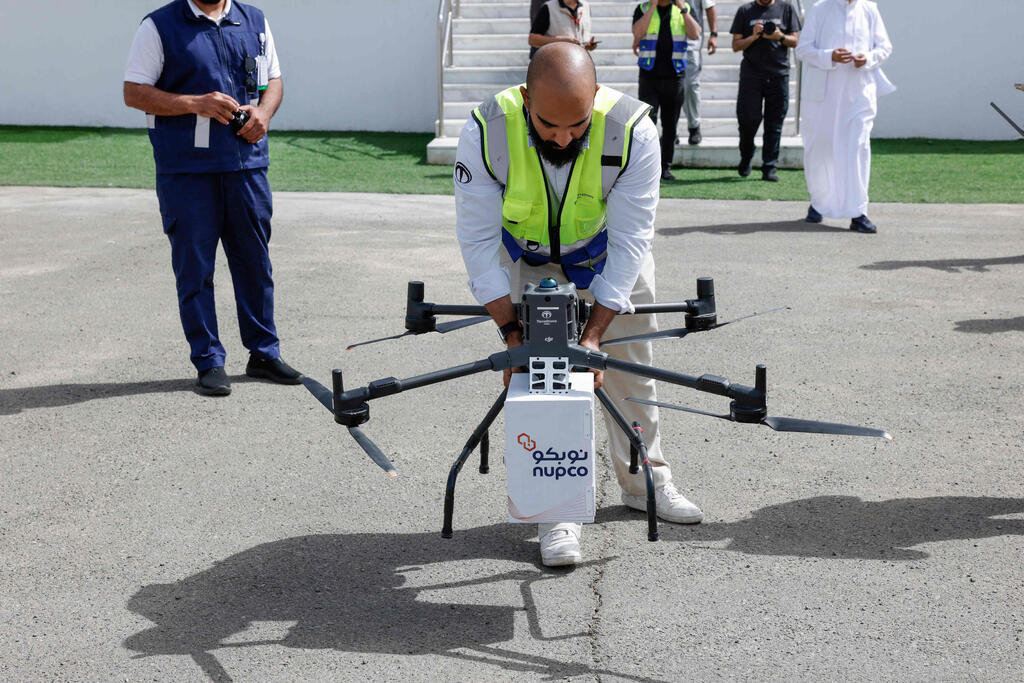
Saudi Arabia's Hajj medical team uses drones to treat casualties
(Photo: Zain JAAFAR / AFP)
This year, regional security tensions have added another challenge to the Hajj season. Some pilgrims arriving in Mecca said they chose to come despite warnings and risks because they rely on their faith and feel immense gratitude for the opportunity to travel.
Fadel, a 49-year-old American Muslim, travelled from the U.S. despite a travel advisory issued by Washington over tensions with Iran, urging Americans to avoid the Hajj this year. “Even if the war had continued, I would have come,” he said. “We are undoubtedly in the safest place in the world.”
Sayed, a 47-year-old Muslim from Australia attending the Hajj for the seventh time, said he had no second thoughts about coming despite his government’s advisory urging citizens to reconsider travel to the region.
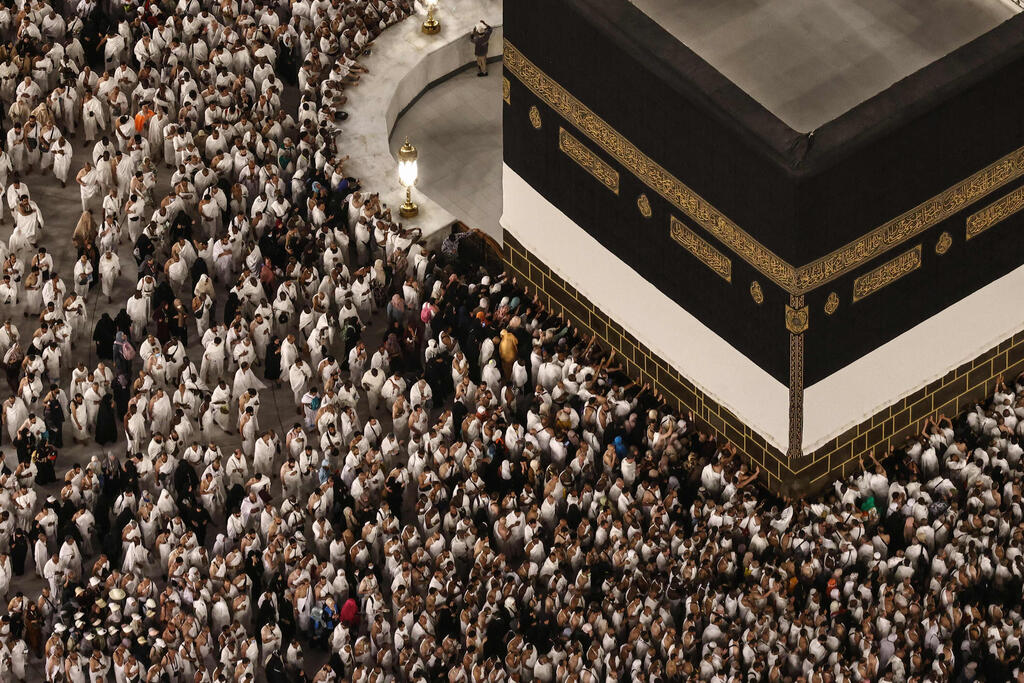
Pilgrims circle the Kaaba
(Photo: Zain JAAFAR / AFP)
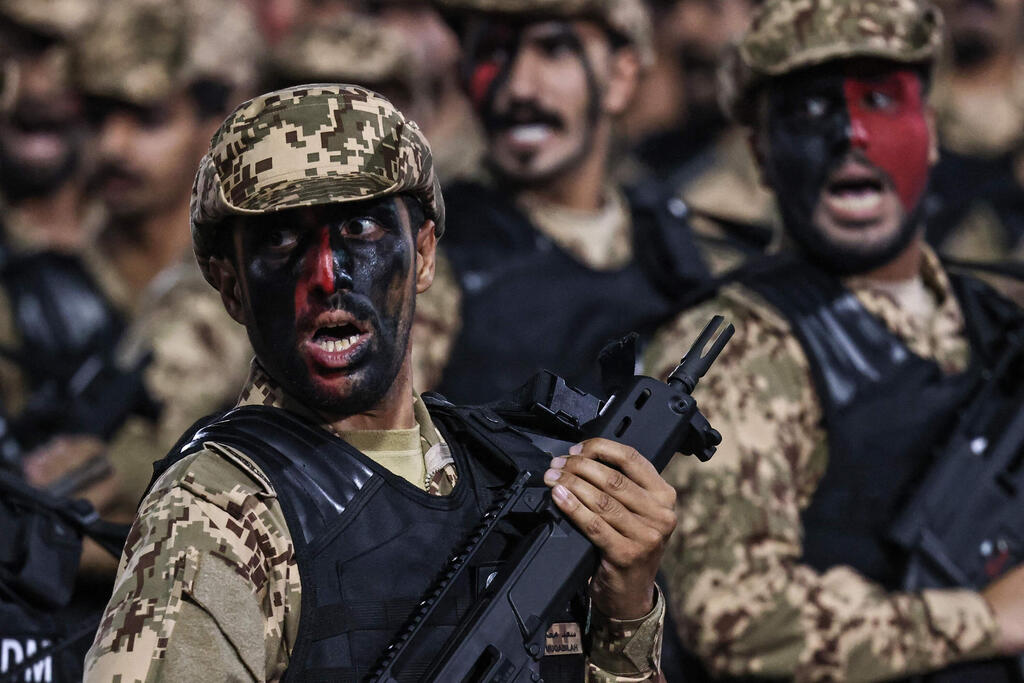
Saudi Arabia Hajj soldiers in the Saudi Army marching for Hajj
(Photo: Zain JAAFAR / AFP)
“When you make the intention to come, you come with a reason and a purpose. And that's why you're here and put your faith in God that everything will be fine” he told AFP, dressed in white outside Mecca’s Grand Mosque.
Ibrahim Diab, a 53-year-old German citizen, said he too decided to come despite the unstable situation in the Gulf. “This is an opportunity that comes once in a life and I decided not to miss it,” he said.