


U.S. sanctions targeting Iran’s aviation sector expanded further across Iraq on Friday, as more airports restricted Iranian carriers and an Iranian passenger plane was reportedly forced to return home empty.
An Iraqi television channel aligned with Iran’s regional axis published footage of a Meraj Air aircraft and said authorities at Najaf International Airport prevented passengers from boarding, forcing the plane to return to Mashhad without them. Najaf airport separately suspended all flights to and from Iran from early Friday until further notice.
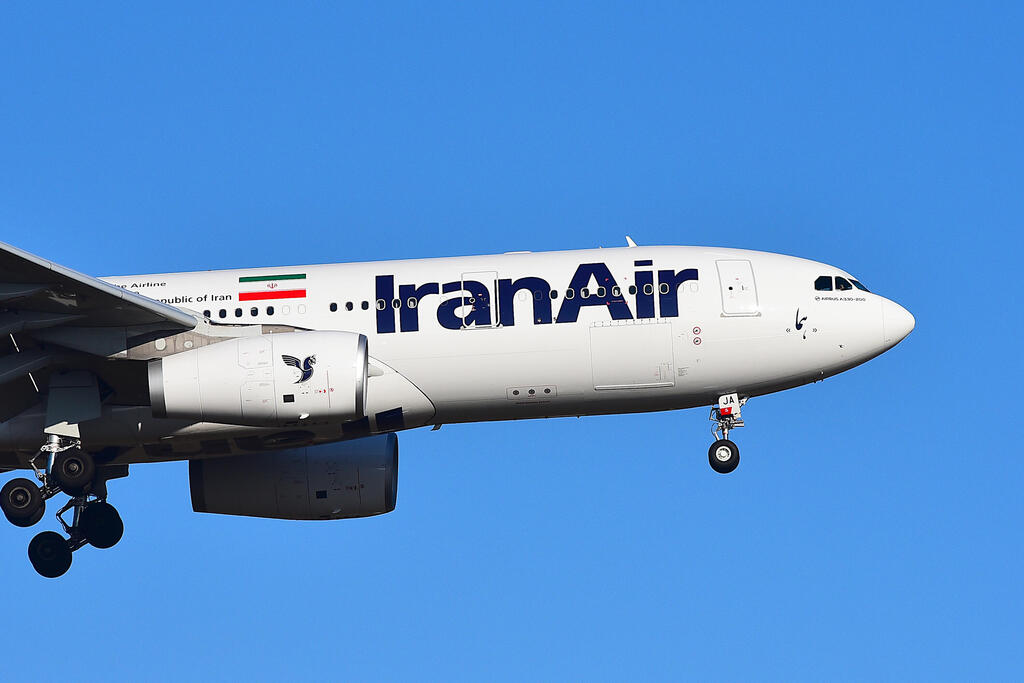
(Photo: Vytautas Kielaitis/shutterstock)
Two sources told Reuters that airports in Erbil and Sulaymaniyah, in Iraq’s Kurdish region, also suspended flights by Iranian airlines beginning Friday. Baghdad had already stopped accepting Iranian flights earlier in the week after Washington threatened sanctions against airports servicing Iranian carriers. The United Arab Emirates has also suspended all flights operated by Iranian airlines until further notice, while Iranian flights to Oman, Georgia and Azerbaijan have also been disrupted.
The pressure stems from a major U.S. sanctions package announced on Sept. 8. The Treasury Department sanctioned 36 targets linked to Iran’s aviation sector, including 27 Iranian airlines, accusing the network of helping the regime transport weapons, personnel and illicit cargo. Washington has since made clear that the restrictions extend beyond the Iranian airlines themselves to foreign companies that continue providing them with services.
Treasury Secretary Scott Bessent said foreign companies risk secondary sanctions if they provide Iranian carriers with fuel or landing services or sell tickets for their flights. “You cannot provide them with fuel, you cannot provide them with landing services, you cannot sell them tickets, or you will be knocked out of the dollar system,” he told CNBC.
‘Flights are either free for everyone, or for no one’
Iranian officials have responded with increasingly explicit warnings to neighboring countries that enforce the U.S. measures.
“Aligning with the United States in implementing hostile policies will remain in the memory of the Iranian people,” senior Iranian official Mohammad Mokhber warned in a post on X. “Our strategy on this issue is clear: Flights in the region are either free for everyone, or for no one.”
“If Iran does not have the possibility of flying and receiving airport services, no country in the region will have this possibility either,” Mokhber added.
His remarks followed a similar warning from Mohsen Rezaei, secretary of Iran’s Supreme National Security Council, who said this week that if neighboring countries cooperated with the United States to stop Iranian flights, “their airports will not be able to operate.”
Rezaei said Iran did not seek to expand the regional war and preferred peaceful solutions, but would not accept what he described as U.S. coercion. He blamed Washington for disruptions to regional transport routes and said Tehran had already warned neighboring states against cooperating with such measures.
Iraqi lawmaker Faleh al-Khazali, meanwhile, accused Baghdad of accepting economic damage by implementing the U.S. restrictions. “We hold the Iraqi government responsible for the financial losses incurred by the country as a result of implementing U.S. Treasury Department decisions against Iranian aviation,” he said.
The widening restrictions are beginning to shrink Iran’s international aviation network. Washington says its goal is to prevent Iranian commercial airlines from being used to move weapons and personnel and to pressure foreign airports and companies into severing ties with sanctioned carriers. China and Russia, however, have not joined the campaign, leaving Tehran with some international routes even as access to airports across the region contracts.