

After tightening the squeeze on Iran at sea and along its land routes, the United States is extending its pressure campaign to the skies, threatening foreign companies that continue providing Iranian airlines with the services they need to operate internationally.
“If they land, you cannot provide them with fuel, you cannot provide them with landing services, you cannot sell them tickets,” U.S. Treasury Secretary Scott Bessent told CNBC on Monday, warning that companies that defy the restrictions could be pushed out of the dollar system.
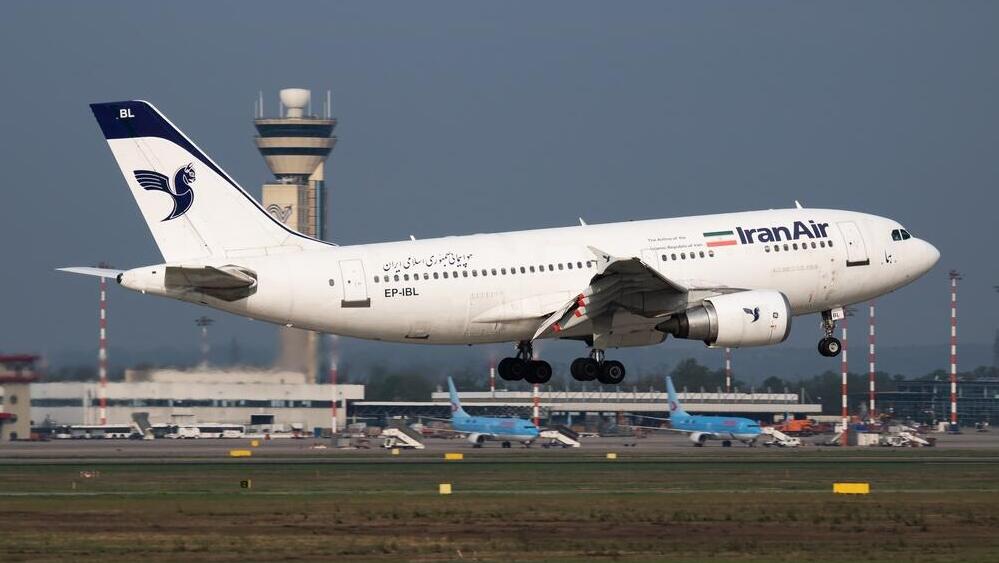
Beginning Wednesday, foreign companies that refuel Iranian aircraft or provide other aviation services risk U.S. sanctions, according to a Wall Street Journal report. Washington says Iranian commercial airlines have been used to transport weapons and military personnel, and the new measures are already contributing to canceled flights and shrinking international connections.
At sea, on land and now in the air
The aviation restrictions are designed to reinforce the broader U.S. effort to choke off Iran’s international trade routes. U.S. naval operations have disrupted cargo and energy shipments through Iranian ports, forcing more goods onto overland routes that are now facing serious bottlenecks.
The measures build on sanctions imposed by the Treasury Department against Iran’s aviation sector. Earlier this month, Washington sanctioned 27 Iranian airlines as part of a broader action targeting companies and intermediaries accused of helping sustain the country’s aviation network.
The U.S. has also targeted companies working on behalf of Mahan Air, Iran’s largest private airline. Washington has accused the carrier of serving for years as a conduit for the Islamic Revolutionary Guard Corps, including by transporting personnel, weapons and military equipment.
Matthew Levitt, a former U.S. deputy assistant Treasury secretary for intelligence, said the new approach could eventually leave Iranian carriers operating largely inside Iran if service providers abroad refuse to fuel, handle or otherwise assist their aircraft.
That would mark a significant escalation of aviation sanctions that have existed for years but previously allowed Iranian carriers to maintain a substantial international network.
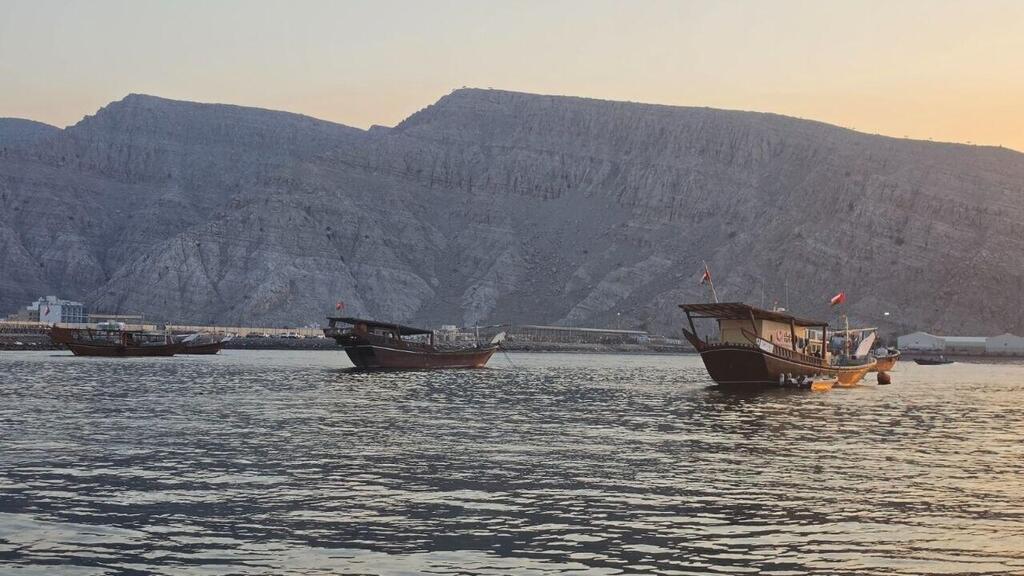
The Strait of Hormuz
The growing isolation is also affecting ordinary Iranians. The country’s roughly 90 million residents are already dealing with high inflation and a rapidly weakening rial, while Iranian airlines have played an important role in transporting essential goods such as medicines and vehicle parts and allowing citizens to travel abroad.
Signs of the pressure are already appearing across the region. Iran’s Civil Aviation Organization said flights from Tehran to Baghdad and Muscat would be canceled beginning overnight Tuesday into Wednesday. Azerbaijan has barred Iranian airlines from landing, while flights from Georgia to Iran have also been halted.
Mahan Air told passengers last week that it was suspending flights to Turkey and Oman at the request of those countries. The loss of two important destinations is a major blow to the carrier, which had continued adding routes despite being under U.S. sanctions since 2011.
Previous sanctions have also made it increasingly difficult for Iran to maintain its passenger aircraft because commercial fleets rely heavily on U.S.-made components.
China and Russia resist the squeeze
The American effort, however, is not being embraced everywhere.
Iranian flights to other international destinations were still appearing on flight boards Tuesday, including services to Dubai, while Mahan Air aircraft were tracked heading toward Moscow and Guangzhou in southern China.
China has made clear that it does not intend to enforce Washington’s sanctions. Asked directly whether Beijing would continue accommodating Iranian flights despite Bessent’s warning, the Chinese Foreign Ministry said it opposed unilateral sanctions that lacked a basis in international law or a UN Security Council mandate.
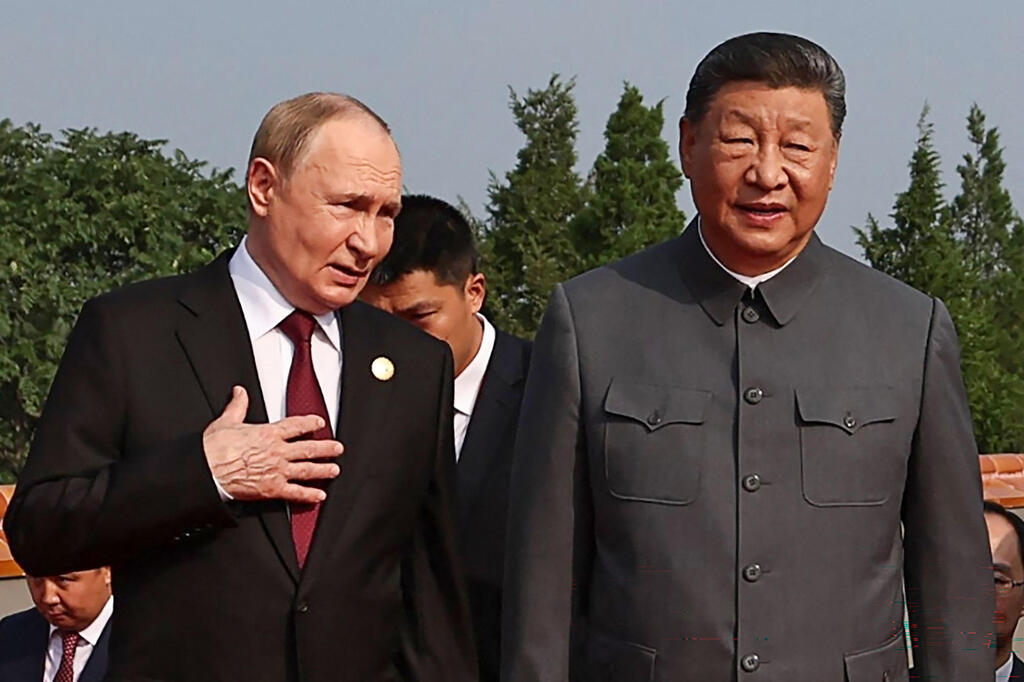
Russian President Vladimir Putin with Chinese President Xi Jinping in Beijing
(Photo: Alexander KAZAKOV / POOL / AFP)
Mahan Air, meanwhile, said ticket sales for destinations in China were continuing as usual.
Turkey has taken a different approach. Financial regulators in Ankara last week revoked the license of Bank Melli Iran’s Istanbul branch and took control of Golden Global Investment Bank, which had also been placed under U.S. sanctions, according to the Wall Street Journal.
The contrasting responses underscore the challenge facing Washington as it tries to turn pressure on Iranian aviation into a wider international isolation campaign. Flights are disappearing from parts of Iran’s regional network, but continued service to China, Russia and other destinations shows that the attempt to extend the blockade into the skies remains incomplete.