

As Israel faces a wave of extreme heat on Monday, concerns are growing over the condition of Israeli hostages still held in Gaza, with hostage families warning that soaring temperatures may pose an immediate threat to their lives.
The warning comes as IDF Chief of Staff Lt. Gen. Eyal Zamir declared a halt to military training exercises due to the nationwide heatwave. Hostage family representatives emphasized that this marks the second summer endured in captivity by the hostages, many of whom are believed to be held in harsh and enclosed conditions with little ventilation or access to clean water.
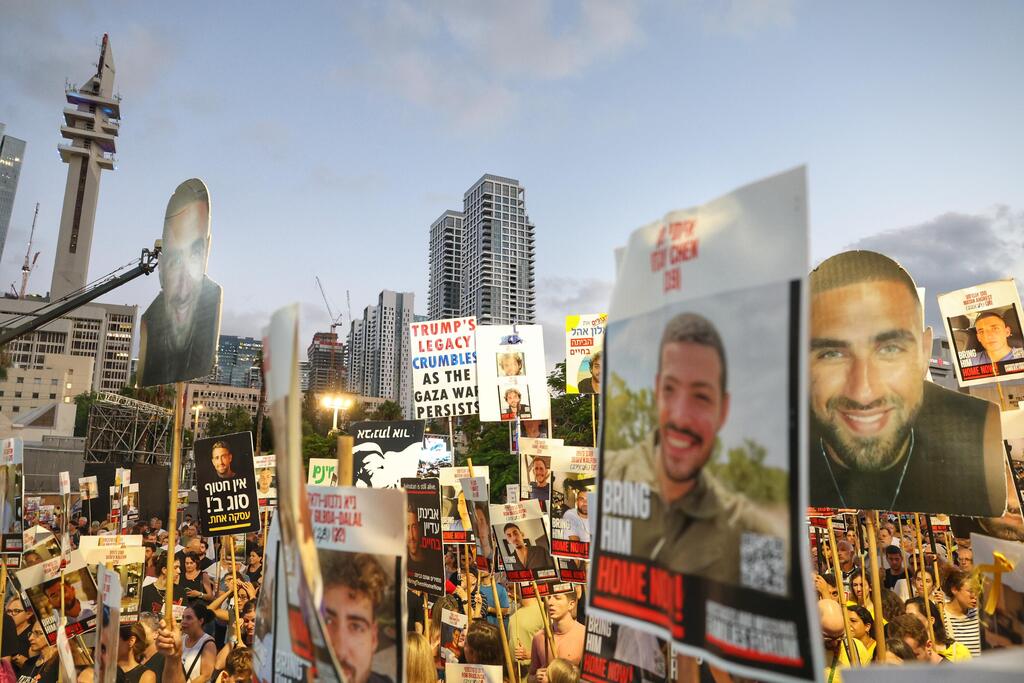
According to a new emergency report compiled by the Hostages and Missing Families Forum’s health task force, the combination of extreme heat and dehydration could result in acute medical collapse, and potentially irreversible chronic conditions. The report warns that these conditions may impair both cognitive and emotional function, affecting not only the hostages but also their captors, potentially worsening the already brutal treatment hostages endure.
Findings suggest that prolonged confinement in poorly ventilated, humid, underground spaces—combined with insufficient hydration and nutrition—places hostages at high risk of serious health deterioration or death. The report also warns of heightened risk of infectious diseases due to poor hygiene, contaminated water and lack of essential nutrients.
Get the Ynetnews app on your smartphone: Google Play: https://bit.ly/4eJ37pE | Apple App Store: https://bit.ly/3ZL7iNv
Survivors of previous captivity experiences have described severe physical symptoms during periods of extreme weather, with some reporting long-term medical consequences even months after release. These challenges are believed to have worsened for those still held after more than 660 days in captivity.
The report also highlights concerns regarding the bodies of deceased hostages. Exposure to heat and humidity—particularly in tunnels without cooling—accelerates decomposition, undermines future identification efforts and reduces the chance of providing them with proper burial.
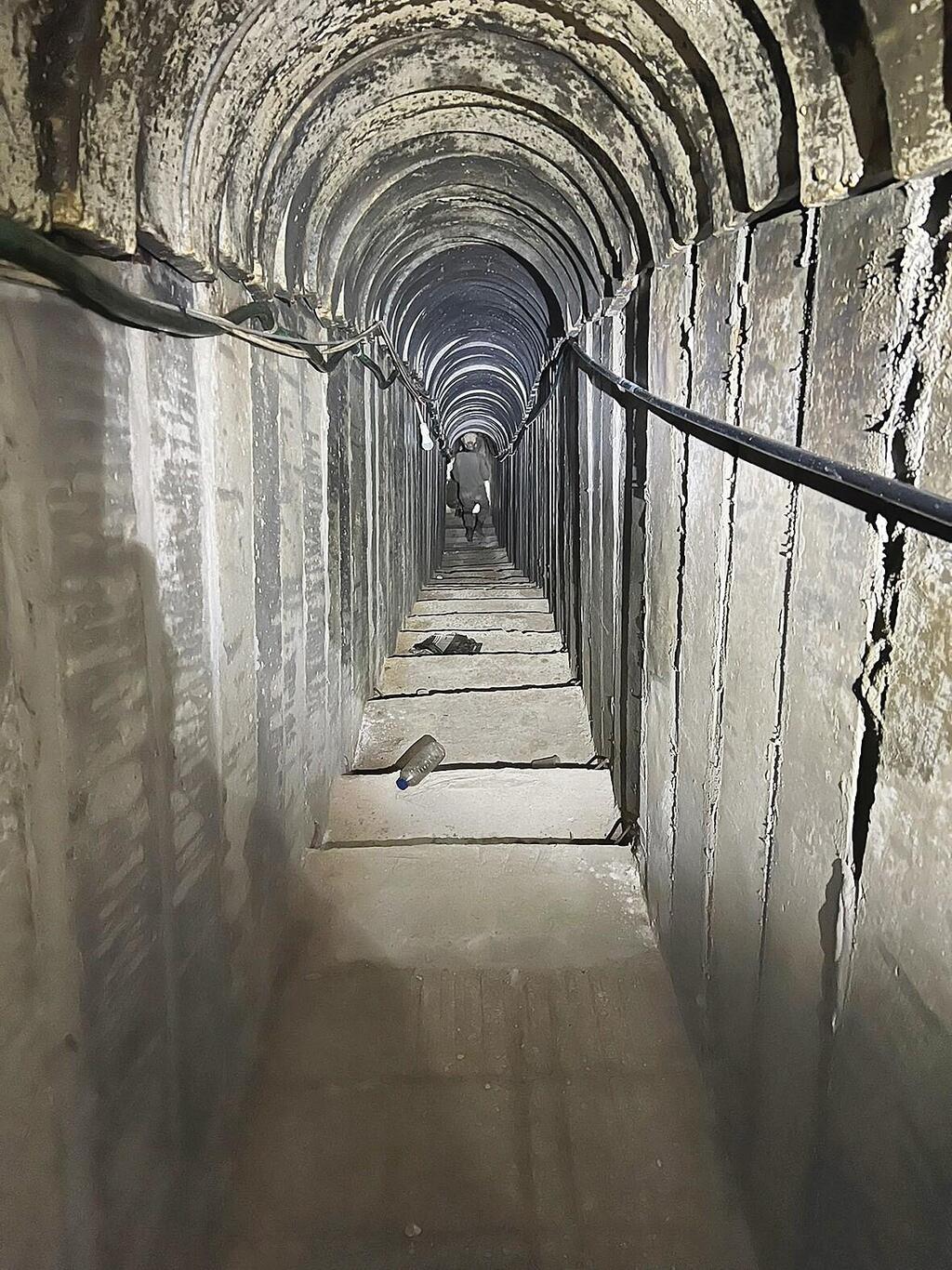
An underground tunnel in Gaza
(Photo: IDF)
Prof. Hagai Levine, head of the health task force, warned that time is running out. “Fifty hostages are being held under extreme conditions in Gaza. We’ve long warned of the cumulative deterioration in their health. The extreme heat could be a tipping point. Any further delay in bringing them home increases the risk of losing the living and the disappearance of the dead beneath Gaza’s rubble,” he said. “There must be an immediate deal to return the hostages—both the living for rehabilitation, and the dead for burial. They are out of time.”
Earlier Monday, U.S. President Donald Trump addressed the hostage issue during a meeting with British Prime Minister Keir Starmer, saying that Hamas is using the hostages as "protection."
"That's an ongoing process. Hamas has become very difficult to deal with in the last couple of days because they don't want to give up those last [hostages], because they think as long as they have them, they have protection," Trump said. "I’m speaking to [Prime Minister Benjamin] Netanyahu, and we are coming up with various plans. It’s a difficult situation.”
“If they [Hamas] didn't have the hostages, things would go very quickly... we know where they have them in some cases,” he added. “You don't want to go riding roughshod over that area because that means those hostages will be killed. Now, some people say, 'Well, that's the price you pay,' but we don't want to say that. And I don't think the people of Israel want to say that either."