

Ron Dermer, a close confidant of Prime Minister Benjamin Netanyahu, said he has returned to assist the government and is involved in negotiations with Lebanon, describing the border dispute as limited and potentially solvable.
Speaking Monday at the Streicker Center at Temple Emanu-El in New York, Dermer told members of the UJA-Federation of New York that he has begun “making progress with Lebanon” toward a potential agreement, according to remarks that reached ynet.
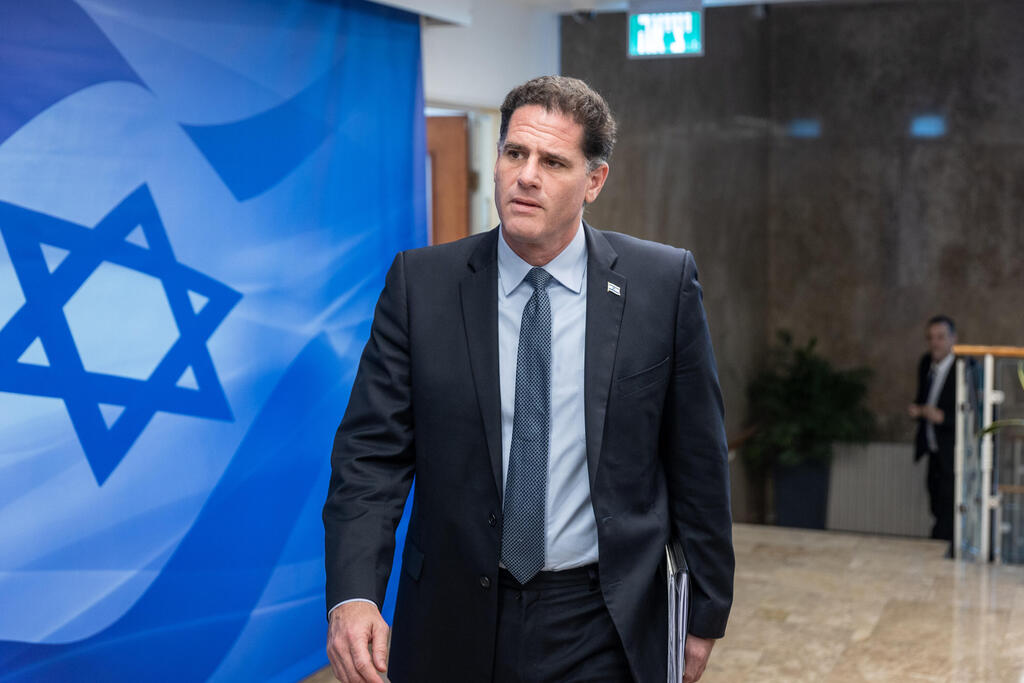
“The disagreement over the border between us and Lebanon is very small. There are 13 disputed points, seven of which have already been resolved,” Dermer said.
Dermer, a former minister who stepped down from public life last November after committing to serve only two years, said he reengaged after previously negotiating a ceasefire with Lebanon in November 2024.
“I had negotiated this previous ceasefire in Lebanon, which, by the way, was very unpopular at the time in the Israeli public, because they wanted to just go in and finish the job,” he said. “But you have to understand, Israel is managing many fronts simultaneously.”
“We still had the big battle in Gaza and also Iran. We still had our hostages,” he said. “There were many reasons why it was the right thing to do.”
He said any future agreement would not allow a return to the pre-Oct. 7 situation.
“We’re not going back to what happened in Israel on Oct. 6, beforehand. We’re not going to allow a threat to emerge on our border,” Dermer said. “For a deal to be implemented, Hezbollah will have to be disarmed. We’re not going to sacrifice the security.”
Despite the conditions, Dermer expressed optimism that progress is possible.
“I actually think it’s possible to move ahead with Lebanon, because the issues are not that complicated,” he said, adding that Israel has no territorial ambitions there. “We don’t have a territorial claim on Lebanon.”
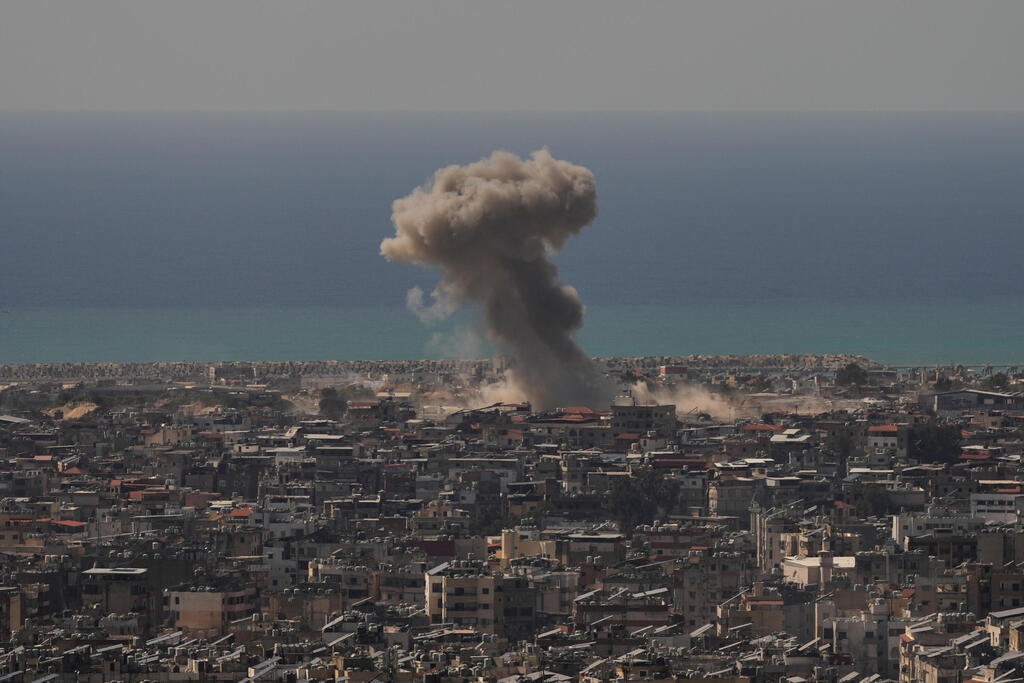
IDF strikes in Beirut
(Photo: AP Photo/Hassan Ammar)
Dermer also addressed domestic politics, predicting that the next Knesset will reflect the impact of Oct. 7 and shift toward security priorities.
“You’re going to see a Knesset that’s going to reflect Oct. 7 and the aftermath — a sort of new security doctrine in Israel,” he said, adding that “the security thing is… going to be foremost in everybody’s mind.”
He called for a broad national unity government after the next election, saying wider coalitions are more stable.
“You have to unite,” he said. “The broader the government means that no one party can topple the coalition.”
On U.S. relations, Dermer described working with President Donald Trump as requiring direct communication.
“You’ve got to get to the point fast,” he said. “If you think you’re coming into the Oval Office with a PowerPoint presentation… forget about it.”
“You’ve got to get to your point within about 13 seconds,” he added, describing how he used simple analogies to explain diplomatic priorities.
Addressing the war with Iran, Dermer said Israel and the United States are coordinating closely.
“Israel and the United States are working in a way that the United States has never worked with any other ally,” he said.
He outlined a phased strategy targeting Iran’s leadership and military capabilities.
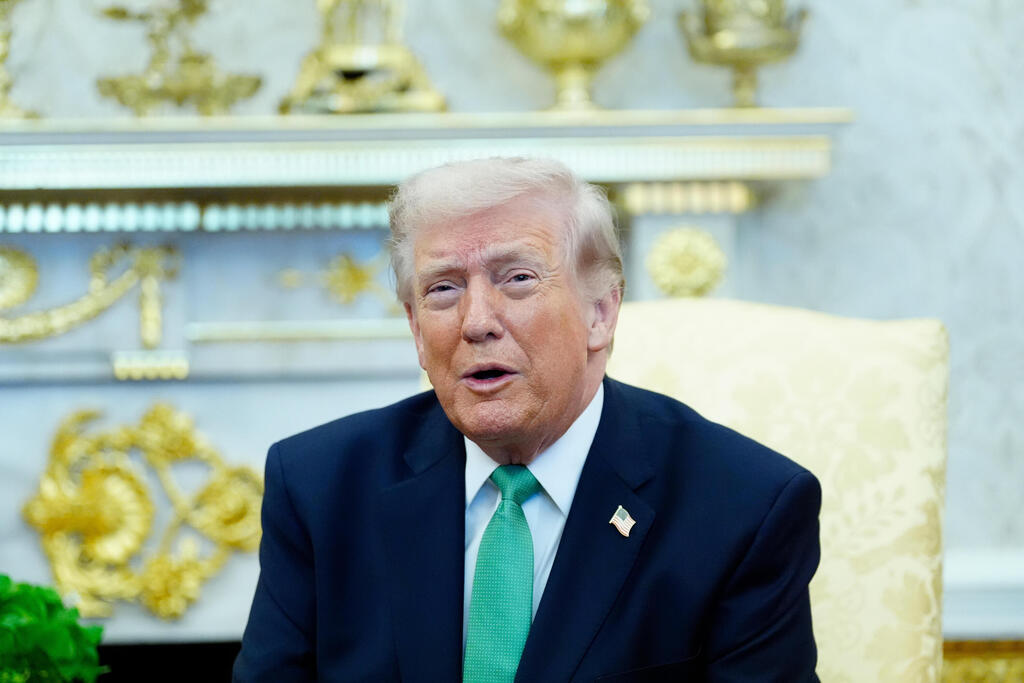
(Photo: AP Photo/Alex Brandon)
“The first thing we’re doing is decapitating the regime. That was done in the first minutes,” Dermer said. “Now you’re doing degradation… every single day, knocking out the capabilities of Iran.”
He said the campaign is proceeding methodically.
“You have a set of targets, and you go after them systematically,” he said. “We want everything, and we want it fast… but it takes time.”
Dermer rejected claims that Israel pushed the United States into the conflict.
“Try to drag Trump into anything — good luck with that,” he said.
He added that while the outcome regarding Iran’s regime is uncertain, Israel’s position has improved.
“The question everyone wants to know is, does this collapse the regime? And the answer is, you don’t know,” he said. “We are in a much more secure position today than we were before.”
He said the goal is to limit Iran’s ability to project power.
“You want to leave Iran in a position where it can’t project power beyond its borders,” he said.
Dermer also addressed rising antisemitism, urging Jewish communities to take action.
“Jews have to unite,” he said. “You have to fight every single battle.”
He emphasized Israel’s role as a sovereign state.
“Israel is not a Jewish community. We are a state,” Dermer said.
Despite ongoing challenges, Dermer expressed optimism about Israel’s future.
“I’m more optimistic about Israel than I’ve ever been,” he said.