

Rafael Grossi, director general of the International Atomic Energy Agency (IAEA), said Thursday that the uranium enrichment centrifuges at Iran’s underground Fordow facility are believed to be no longer operational, following U.S. airstrikes using bunker-buster bombs.
In an interview with French media, Grossi explained that, while satellite imagery alone cannot fully reveal the extent of the damage at Fordow, “we already know the centrifuges are no longer active.”
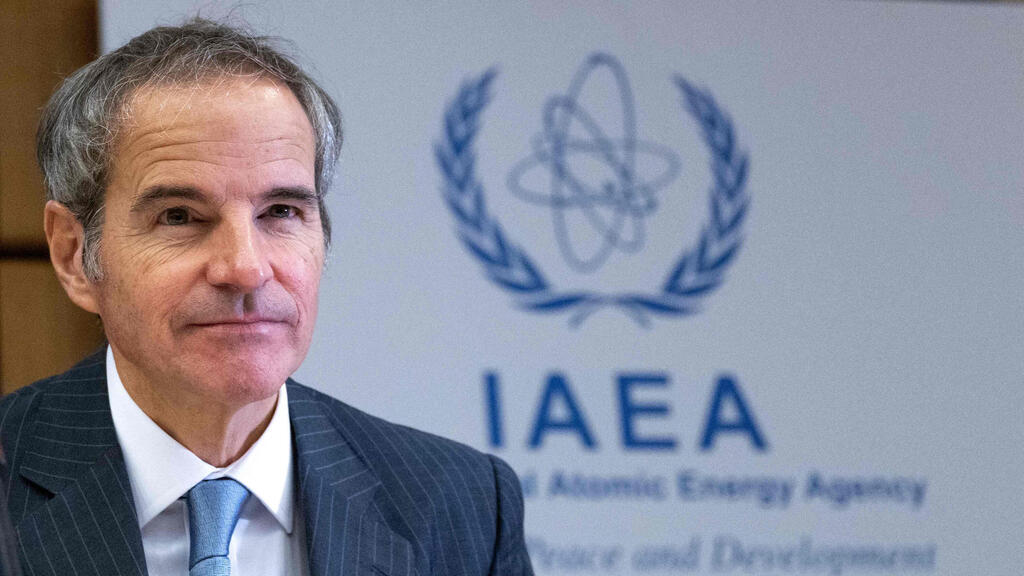
He noted that the machines, which enrich uranium, are extremely sensitive to vibration and require highly precise calibration. “Given the strength of the bombs and the technical characteristics of the facility, significant physical damage was unavoidable,” he said. “That leads to a fairly accurate technical conclusion.”
On Wednesday, Iran’s parliament passed legislation suspending cooperation with the IAEA, citing recent U.S. and Israeli attacks on nuclear facilities. Tehran has accused the IAEA of providing a pretext for those strikes, particularly after the agency declared earlier this month—its first such finding in two decades—that Iran was not fulfilling its nuclear obligations.
Grossi reiterated that his top priority is returning IAEA inspectors to Iranian nuclear sites to assess the damage and verify the status of Iran’s enriched uranium stockpile.
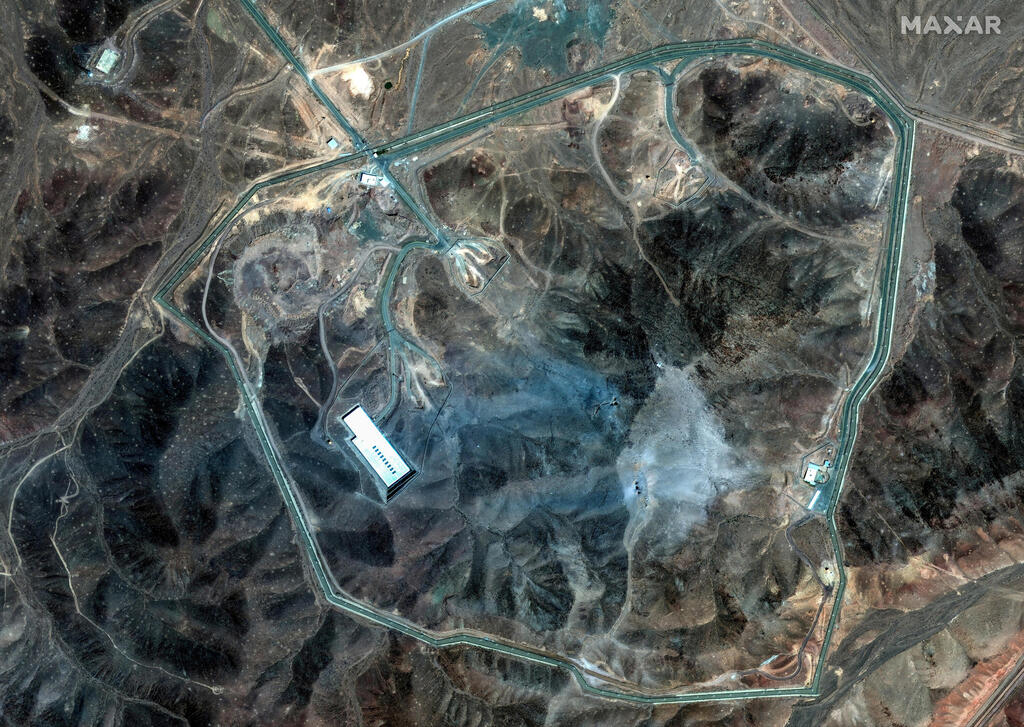
Fordow
(Photo: Maxar Technologies/ Reuters/ AFP)
Following the U.S. strikes, American media outlets, including CNN and The New York Times, reported on a leaked preliminary intelligence assessment suggesting the damage to Iran’s nuclear program may have been less severe than President Donald Trump claimed. According to those reports, the enrichment program may have been delayed by several months—not years—and Iran’s stockpile of enriched uranium appears largely intact.
Get the Ynetnews app on your smartphone: Google Play: https://bit.ly/4eJ37pE | Apple App Store: https://bit.ly/3ZL7iNv
Sources cited in the reports said most of Iran’s centrifuges survived the attack and that enriched uranium stockpiles were not significantly affected. President Trump, however, lashed out at the reports on Wednesday, insisting that the Iranian facilities had been destroyed.”
The intelligence assessment was based on information gathered within 24 hours of the strikes and was characterized as early and low-confidence. Officials stressed that the conclusions could change as more intelligence is collected.
Still, even the initial assessment described the damage as “moderate to severe,” and specifically at Fordow, as “moderate”—but enough to render the site inoperable. If that proves accurate, experts say Iran is unlikely to restore its enrichment operations at the hardened facility.
One unresolved question is the fate of Iran’s high-enriched uranium stockpile. Before the strikes, Iran had publicly claimed it held 408 kilograms of uranium enriched to 60%—a level just short of the 90% needed for nuclear weapons. According to the IAEA, Iran said it had moved this stockpile to a “safe location” ahead of the attacks.
But recent reports suggest most of the material may have remained in the facilities that were bombed and is now buried under rubble, casting further doubt on Tehran’s claims.