

Iranian forces are adapting their tactics during the war with Israel and the United States and increasingly targeting what they see as weaknesses in American defenses in the region, senior U.S. defense officials told The New York Times.
According to the report published Wednesday, U.S. officials and military analysts say Iran has adjusted its battlefield approach during the first 11 days of the conflict, shifting attacks toward American air defense systems and other assets used to protect U.S. forces and facilities across the Middle East.
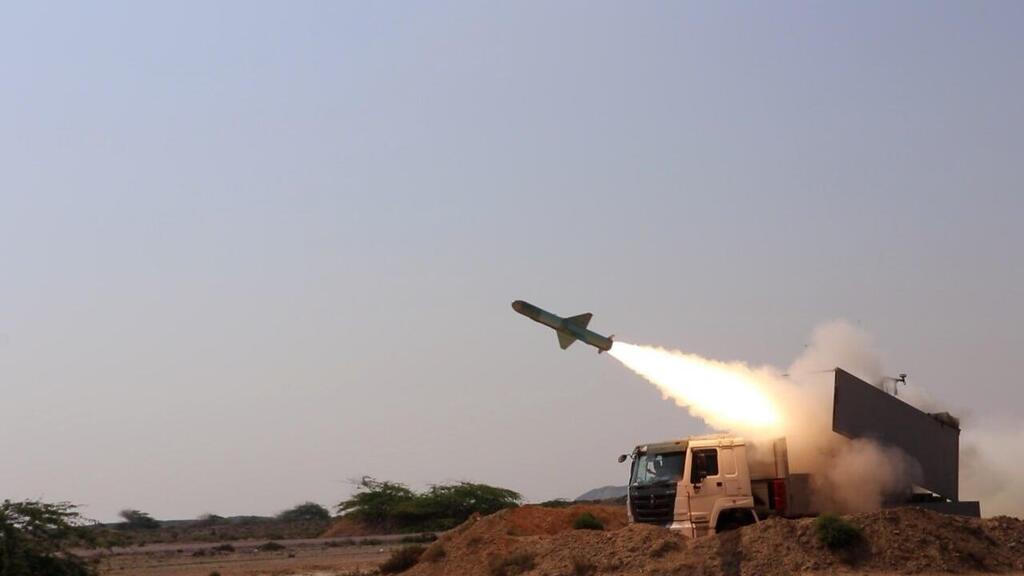
The assessment comes as President Donald Trump has repeatedly said the United States is prevailing in the war against the Islamic Republic.
Officials cited by the newspaper said Iranian forces and allied militias have targeted radar installations and air defense systems in the region. Militias linked to Iran have also attacked locations believed to house U.S. personnel, including a strike by an Iraqi militia on a luxury hotel in the northern Iraqi city of Erbil that frequently hosts American troops.
One senior U.S. military official told the newspaper the attack suggested Iran and its allies are aware that the Pentagon has been housing some troops in hotels in the region.
U.S. officials and analysts told the Times that Iran appears to have concluded it cannot match the firepower of the United States and Israel. Instead, they said, Iran’s leadership may consider survival of the regime through the conflict sufficient to claim victory.
As part of that strategy, Iranian forces appear to be focusing on what they perceive as vulnerable elements of U.S. defenses, including missile interceptors and air defense systems deployed to protect American personnel and assets in the region.

Ceremony honoring fallen US soldiers as their remains are returned to the United States
(Photo: AP Photo/Mark Schiefelbein)
Vali Nasr, an Iran expert at Johns Hopkins University, told the newspaper that Iranian forces appear to have quickly drawn lessons from the 12-day war between Israel and Iran last year.
He said Iranian planners seem to be exploiting the limited availability of advanced U.S. air defense systems such as THAAD interceptors and Patriot missile batteries.
Even if U.S. air defenses intercept many incoming attacks, Nasr said Iran could still retain enough launch capability to strike American troops and facilities or those of U.S. allies.
Gen. Dan Caine, chairman of the Joint Chiefs of Staff, confirmed this week that Iranian forces have adjusted their tactics during the conflict.
However, he declined to provide details during a congressional briefing, saying both sides are constantly adapting on the battlefield and that revealing specifics could expose information about what strategies are proving effective.
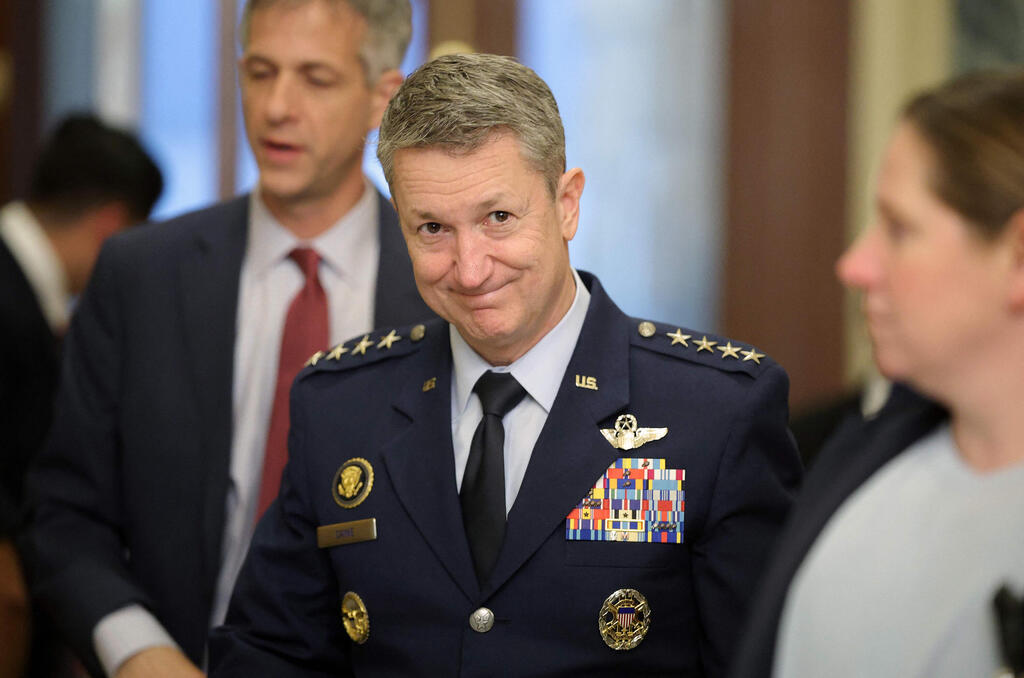
Gen. Dan Caine, chairman of the Joint Chiefs of Staff
(Photo: Photo by Kevin Dietsch / GETTY IMAGES NORTH AMERICA / AFP)
According to the Times report, Iranian attacks appear aimed in part at disrupting the U.S. military’s communications and coordination capabilities, as well as damaging American air defense systems in the region.
Among the targets hit were radar domes at Camp Arifjan in Kuwait, a base that hosts U.S. forces. Satellite imagery reviewed after the strikes also showed damage to several structures near satellite communications infrastructure at Ali al-Salem Air Base in Kuwait, about 80 kilometers (50 miles) away.
In Bahrain, an Iranian strike on the headquarters complex of the U.S. Navy’s Fifth Fleet caused damage estimated by the Pentagon at about $200 million, according to an assessment presented to Congress last week.
Although the number of rockets and drones launched from Iran has declined as the war has progressed, two U.S. military officials told the newspaper there remains concern that the Pentagon does not have a complete picture of all Iranian launch sites.
The officials also said the continuing attacks demonstrate that the killing of Iran’s Supreme Leader Ayatollah Ali Khamenei earlier in the conflict has not eliminated the country’s ability to wage war.