


The European Union on Wednesday unveiled a series of emergency measures aimed at addressing a sharp rise in energy prices linked to the war with Iran, as concerns grow over prolonged disruptions to global supply routes, including the Strait of Hormuz.
The European Commission said the measures are intended to help the bloc respond to price volatility and potential supply shortages, after Europe only recently emerged from the energy crisis triggered by Russia’s invasion of Ukraine.
According to the Commission, the plan includes the establishment of a centralized, EU-wide body that will monitor fuel imports, exports and existing stockpiles across member states. The goal is to enable faster identification of potential shortages, particularly in jet fuel and diesel, which are considered especially vulnerable in the current environment.
In addition, EU member states will coordinate more closely on the management of energy reserves, including sharing updates on any release of emergency stockpiles. Countries will also act to refill gas storage facilities in an effort to stabilize supply ahead of future demand.
The Commission said the measures also aim to accelerate domestic energy production within Europe, in order to reduce reliance on external suppliers. At the same time, governments are expected to implement targeted, temporary steps to shield households and industry from rising costs, including potential financial support programs and reductions in electricity taxes.
Officials noted that since the start of the war, the European Union has spent an additional $28 billion on energy imports without receiving any increase in supply volumes, reflecting the impact of rising global prices rather than increased consumption.
The Commission warned that even if hostilities subside, disruptions to energy supplies from the Gulf region are likely to continue in the near term. Recent U.S. assessments cited in media reports indicate that clearing sea mines from the Strait of Hormuz — a key artery for global oil shipments — could take months, prolonging instability in energy markets.
Industry groups said the EU response does not go far enough. Transport & Environment (T&E), a Brussels-based non-governmental organization focused on transport and climate policy, criticized the measures as incomplete, arguing that the bloc failed to introduce a comprehensive plan to address the crisis.
The group said the EU had missed an opportunity to impose windfall taxes on oil companies, similar to measures taken in 2022, which could have helped fund relief efforts and reduce energy consumption. According to T&E, oil companies could generate as much as 37 billion euros ($40 billion) in excess profits from European consumers as a result of the current crisis.
Analysts warned that the economic consequences could deepen if the conflict continues. Neil Shearing, chief economist at Capital Economics, said Europe could face a recession if the war persists through the first half of the year and energy supply disruptions intensify.
Meanwhile, the International Energy Agency and airport industry group ACI Europe warned that Europe — which imports roughly 70% of its jet fuel — could face shortages in the coming weeks. ACI Europe called on EU governments to consider suspending aviation taxes to help mitigate rising costs.

(Photo: Markus Mainka / Shutterstock)
The surge in energy prices is already affecting households and businesses across Europe, contributing to higher costs for fuel, food, plastics, cleaning products and air travel.
Airlines have begun adjusting operations in response. Lufthansa said it plans to cancel about 20,000 flights through October to conserve jet fuel, which it said has doubled in price since the start of the war with Iran.
Industrial companies are also passing on higher costs. German chemical giant BASF has raised prices on some products by more than 30%, reflecting increased energy expenses.
Some sectors have been forced to scale back activity. EU officials said parts of the fishing industry have halted operations as fuel costs erode profitability. The European Commission last week activated a crisis mechanism allowing member states to provide direct financial support to fishermen and fish traders.
The impact is also being felt in the United Kingdom, where inflation rose last month for the first time since December, driven in part by higher fuel prices. Food and airfare costs have also increased at a faster pace.
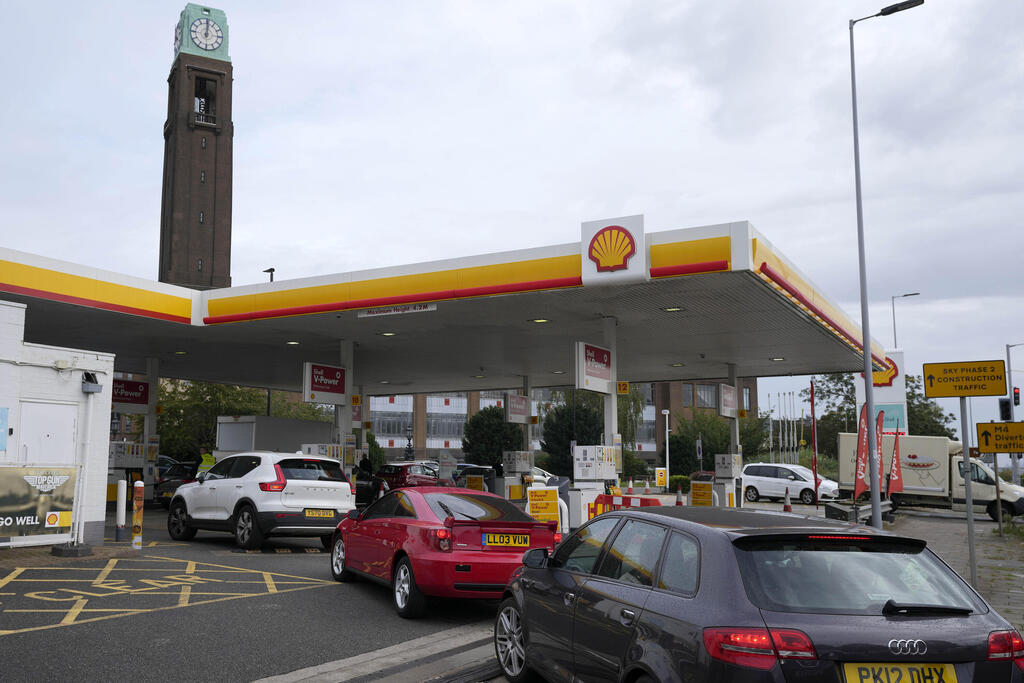
Fuel retailers in Britain reported a rise in theft at gas stations, including by individuals without prior criminal records, reflecting mounting financial pressure on households. According to BBC reporting, fuel theft incidents have risen by 62% compared with last year.
Similar trends have been reported elsewhere in Europe. In Germany and Poland, there have been cases of fuel stolen from parked trucks, trailers and construction sites, sometimes causing damage that prevents vehicles from continuing their journeys. In France, where fuel theft can carry penalties of up to three years in prison and fines of up to 45,000 euros, authorities have also reported a significant increase in such incidents since the start of the war.
Economists warned that the current spike in fuel prices may represent only the first phase of a broader energy shock.
“This is only the first wave of the energy crisis, reflected mainly in higher prices at the pump,” said Adam Deasy, an economist at PwC UK. “We have not yet seen the impact on oil and gas byproducts such as fertilizer, helium, plastics or metals.”
Rising natural gas prices have also pushed up electricity costs. In response, the UK government has announced measures including expanding solar installations on public buildings such as schools and advancing renewable energy projects on public land, aimed at reducing household energy bills and increasing domestic supply.