

Defense Minister Israel Katz said Thursday that Israel had killed the commander of the Islamic Revolutionary Guard Corps navy, Alireza Tangsiri, in an overnight strike, describing him as the Iranian officer directly responsible for mining operations and the closure of the Strait of Hormuz. Iran had not publicly confirmed the claim by Thursday.
Katz made the announcement at the end of a security assessment with senior IDF officials at the Defense Ministry headquarters in Tel Aviv. He said Tangsiri was killed along with other senior naval officers and called the strike “a clear message” to the leadership of the Revolutionary Guard, saying Israel would pursue them “one by one.”
Footage shows the aftermath of a reported strike in Bandar Abbas, southern Iran, where Israeli officials said IRGC navy chief Alireza Tangsiri was killed


The strike took place in the strategic port city of Bandar Abbas in southern Iran, according to Iranian opposition sources.
“This is also important news for our American partners,” Katz said, framing the strike as part of an effort to help reopen the Strait of Hormuz and as a sign of the close partnership between President Donald Trump and Prime Minister Benjamin Netanyahu, and between the two countries and their militaries.
Prime Minister Benjamin Netanyahu said Israel was continuing to strike “with force” at Iranian regime targets, and said that Tangsiri's killing overnight was part of that campaign. Netanyahu called the navy commander “a man with a great deal of blood on his hands” and said he had led the closure of the Strait of Hormuz. He added that the strike was “another example of the cooperation between us and our friend, the United States,” in pursuit of the war’s goals.
The reported killing comes at the center of a widening crisis over the Strait of Hormuz, the narrow waterway between Iran and Oman that is one of the world’s most important oil shipping routes. The conflict has effectively shut the strait, through which around one-fifth of the world’s oil and oil products normally pass, sharply disrupting tanker traffic and distorting global energy markets.
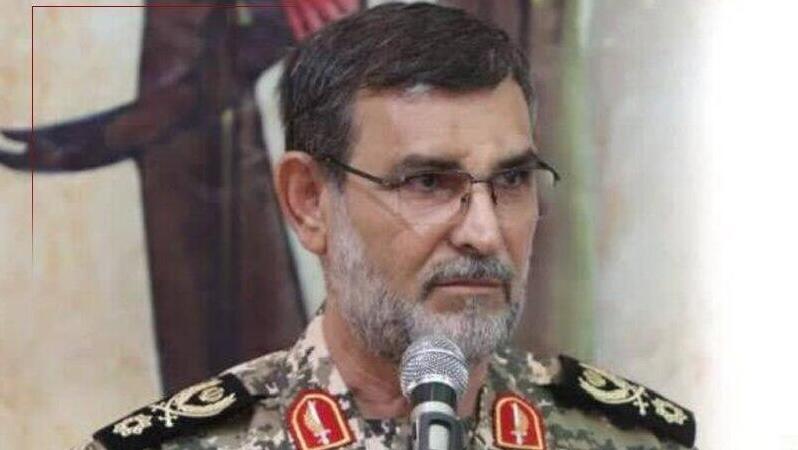
Islamic Revolutionary Guard Corps navy commander Alireza Tangsiri
Iran has threatened to tighten its hold on the passage if attacks continue. The Revolutionary Guards said Iran would completely close the strait if Trump carried out threats against Iranian energy infrastructure. Days later, the chief executive of Abu Dhabi’s national oil company described any Iranian curbs on passage through Hormuz as “economic terrorism,” underscoring the waterway’s central role in the global economy.
Shipping through the area has already been badly disrupted. Traffic through the strait was down about 95% from prewar levels, even as a small number of ships continued to pass. At least six vessels in the Gulf and the Strait of Hormuz have been attacked since the beginning of hostilities.
The United States has been weighing additional military options if diplomacy with Tehran fails. The White House has warned Trump is prepared to strike Iran harder if no deal is reached, while U.S. officials have been discussing ways to reopen Hormuz and increase pressure on Tehran.