

Late at night, inside the combat zone of a maneuvering force, the intelligence picture appears almost perfect. Real-time information flows across ruggedized screens, intelligence officers analyze enemy movements and decisions are made within seconds. This is what the new cooperation between intelligence headquarters and combat forces looks like.
The change in the way intelligence personnel operate is part of a deep conceptual shift that the IDF as a whole has undergone during the war: a transition to operating through multidimensional combat teams. The goal is to give every fighting framework full independence and diverse capabilities from all branches, allowing it to function in practice as a "small," autonomous army in the field.
Gallery
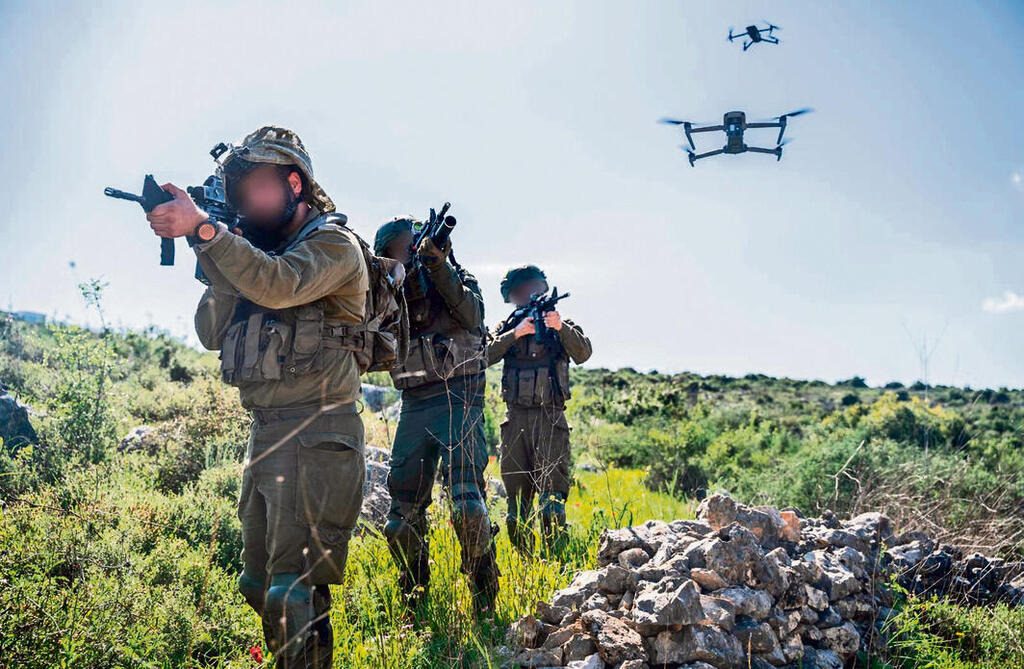
The change in the way intelligence personnel operate is part of a deep conceptual shift that the IDF as a whole has undergone during the war
(Photo: IDF Spokesperson)
This is reflected in the close integration of infantry, armored forces and advanced armored vehicles operating alongside lethal drone swarms and organic engineering and sabotage capabilities. Completing the picture are these combat teams' intelligence capabilities, which are far more diverse and extensive than anything field-level forces had previously known.
Responsible for this effort is the Field Intelligence Directorate in Military Intelligence (Modash), which has taken responsibility for building tactical intelligence capabilities both during emergencies and routine operations. At the center of this reform are the Adan centers (Military Intelligence for Deployed Forces) - forward intelligence centers integrated directly into maneuvering areas. They provide forces with an accurate intelligence picture in real time.
To enable this, the IDF carried out a comprehensive manpower restructuring: The number of intelligence officers in each battalion was doubled and combat brigades were assigned dedicated collection experts in the fields of HUMINT (human intelligence), VISINT (visual intelligence), SIGINT (signals intelligence) and OSINT (open-source intelligence). The ability to deliver enormous amounts of information to the operational edge also brings a complex challenge of "information overload." The intelligence system understands that it must ensure information reaches commanders after it has already been processed and refined, allowing field commanders to make rapid decisions under fire without getting lost in mountains of digital data.
Modash is implementing technological tools that, among other things, significantly shorten the time between identifying a target and directing fire. This speed is critical in fighting an enemy that disappears from view. The rapid connection between Military Intelligence and maneuvering combat teams provides commanders with unique tools that have dramatically improved the results of offensive operations in which the IDF held an advantage.
However, the true and decisive test for Military Intelligence will not come during moments when it dictates the pace. The test will come with the next "surprise." Under the heavy shadow of the intelligence failure on October 7, 2023, Military Intelligence officials say that alongside technological development and bringing more capabilities to the field, the basic approach has also fundamentally changed.

The breach of the fence on October 7. The test will come with the next 'surprise'
The stated goal is to eliminate the systemic arrogance that led clear and accurate warning signs from lower-level personnel in the field - such as female surveillance soldiers and junior intelligence officers - to be ignored, or even met with ridicule, by analysts at headquarters. The upheaval the directorate experienced made clear that the real key lies in humility, constant questioning and taking seriously those who seek to challenge the prevailing assumptions, even if they are "ordinary" soldiers in lower ranks. Ultimately, that will be the real test at the moment of truth.
There is another problem as well. Despite the high motivation among recruits to join Military Intelligence, the directorate is also suffering from the army-wide shortage of soldiers. Senior officials explain that if in the past there were more than 100% volunteer rates for the corps - meaning more recruits wanted to join than there were available positions - today those numbers are much lower, reducing the pool of candidates from which it can select. If this trend continues, they warn, it could eventually lead to a decline in professionalism.
This is especially concerning given that the number of missions has grown significantly, expanding both the areas of activity handled by each soldier in the system and the skills required of them. More fronts require more intelligence and in its current situation, Israel cannot afford to compromise in any of the arenas in which it is involved.