


The IDF Intelligence Directorate’s targeting arena, made up of teams responsible for building the military’s “target bank” — the list of potential strike targets in the event of a conflict — has undergone significant development in recent years, particularly in the past few months.
“Military Intelligence already understood during Operation Rising Lion that there would be another confrontation with Iran, so they have been operating in emergency mode ever since,” a military source told ynet. Hundreds of intelligence personnel make up the targeting teams, with each team including analysts from several intelligence units and responsible for a different category of targets: assassinating commanders and senior officials, surface-to-surface missile stockpiles, regime-related targets, and more.
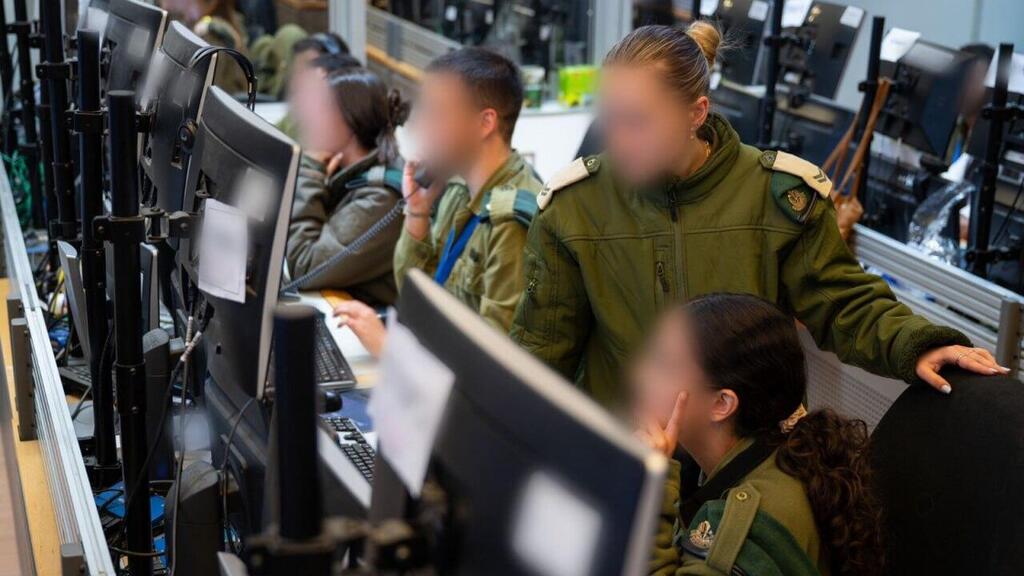
Since Operation Rising Lion, the number of targets has grown by hundreds of percent — in less than a year alone. “The Iranian regime made many changes. They moved headquarters, weapons components, missile locations, relocated the whereabouts of many senior figures and more,” the military source said. “One of the facilities that was moved was the underground nuclear site where Iranian nuclear scientists were operating, which was attacked last week. They were sure they had managed to keep it secret — but they were wrong.”
The source added that “there were targets that didn’t interest us during Rising Lion, such as regime targets in Iran, military targets, Iranian internal security targets. In the current operation there is a systematic effort, and the targets were built broadly to create the collapse of the entire capability chain. The goal is that the Iranians will not be able to restore control over their command-and-control systems or maintain operational continuity. Continuity is the most important tool the regime has to signal to the public that it is still standing, and that is what we are trying to prevent.”
“For example," according to the source, "we are aware of the regime’s strong desire to appoint a successor quickly. We heard about the Iranian intention to appoint Mojtaba Khamenei, but they still have not managed to hold the vote to approve the appointment. It was no coincidence that a strike was carried out precisely at the location where the vote was supposed to take place. The gathering never happened and the appointment has been delayed; that’s the kind of thing that undermines regime stability.”
Changes in operational activity during the campaign
In emergency situations, the targeting arena changes its operational structure and shifts to a format known as the “Target Center” — a special organization designed for intense fighting and the large-scale use of firepower. This includes updating potential targets during the course of the war, sometimes even shortly before an operation begins, unlike in many previous wars in which targets were determined in advance and rarely changed.
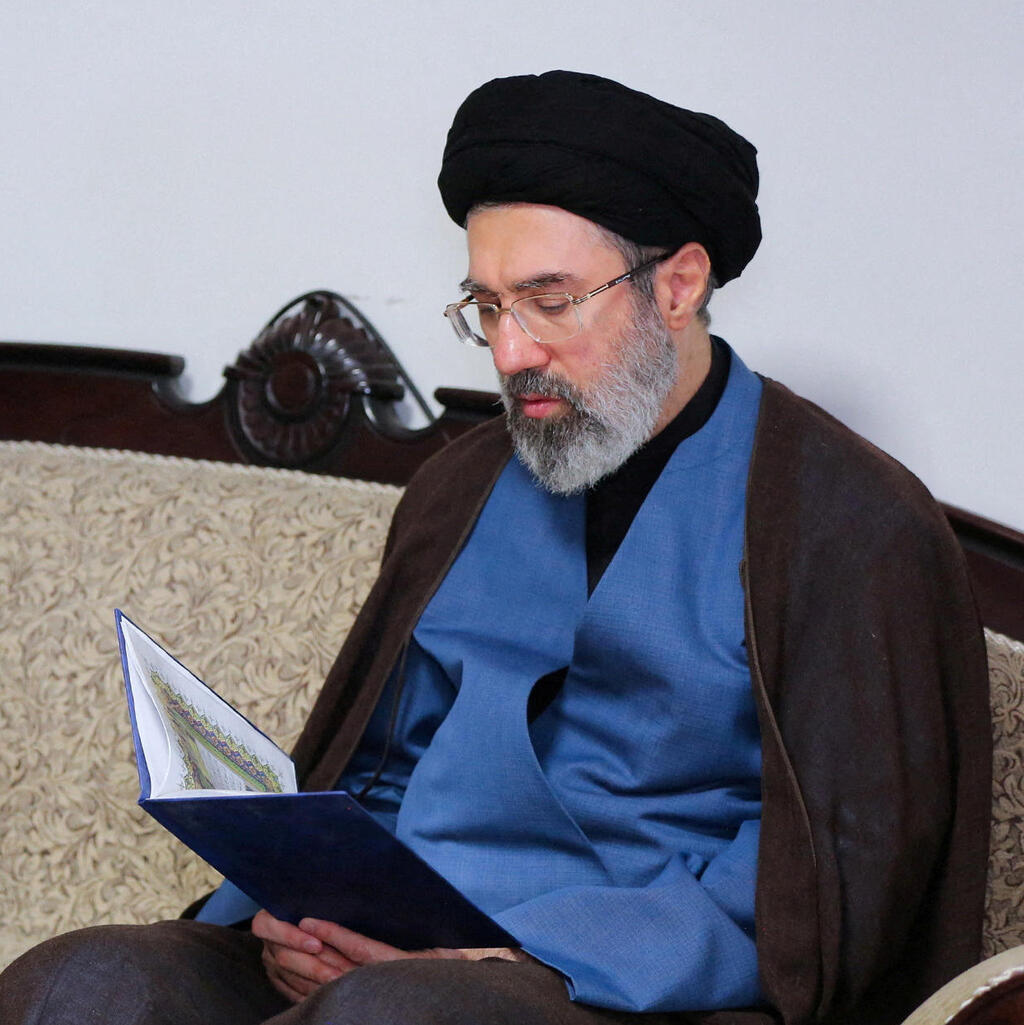
Mojtaba Khamenei, the son of Ayatollah Ali Khamenei: No coincidence that the building in which succession was to be decided was targeted
(Photo: Office of the Iranian Supreme Leader/WANA)
So far during the fighting, dozens of additional targets have been struck that were not previously defined as objectives. What enables this is the air superiority achieved over Tehran. In addition to strike aircraft operating in the area, intelligence-gathering platforms are also present, collecting information that generates constantly updated targets.
Of course, beyond regime-related targets, the military has many objectives, foremost among them Iran’s military capabilities and its ability to threaten the State of Israel. For example, Military Intelligence has defined the complete elimination of Iran’s rocket array — considered an existential threat in Israel — as a goal. The IDF is striking the military industries that manufacture missiles, storage sites, launchers and the personnel responsible for firing them at Israel. From the IDF’s perspective, this means removing a critical capability from the regime, and the targeting teams in Military Intelligence spent many months building the relevant list of targets.
“Many people ask how effective these strikes are when most of the targets are buildings, since that doesn’t necessarily prevent the Iranians from continuing to operate,” the military source said. “It’s like the IDF Intelligence Directorate trying to function without its headquarters, where all the computers and work environments are located. It’s like sending a division to hold the line without equipment, vehicles or weapons. The strikes force the Iranians to focus on rebuilding rather than fighting — which leads to intelligence mistakes on their part. We are creating systemic disruption. There were several cases in the current round where, due to lack of coordination, the Iranians moved gatherings to new locations and that’s where we caught them.”
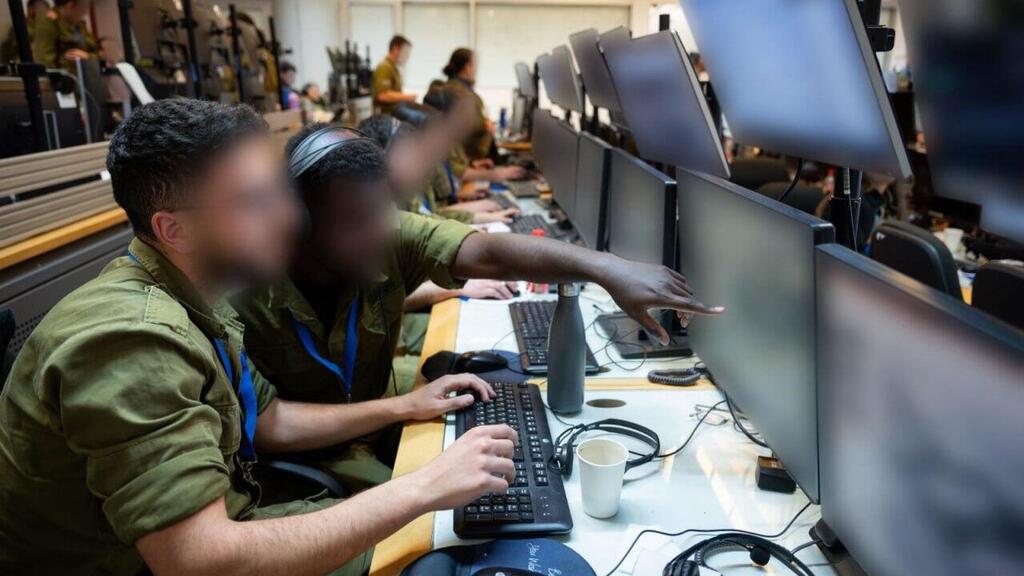
Targeting teams in Military Intelligence spent many months building the relevant list of targets
(Photo: IDF Spokesperson's Unit)
The unit established after October 7
Even before the military cooperation between Israel and the United States in the strikes on Iran, the two countries maintained significant intelligence sharing — one of the central elements that enabled the attack.
“Two weeks before Chief of Staff Eyal Zamir traveled to the United States, Military Intelligence chief Shlomi Binder went there and met with all the American intelligence agencies. They were exposed to an unprecedented scope of targets and gained confidence in the IDF’s ability to carry it out. The intelligence sharing increased trust,” according to the source.
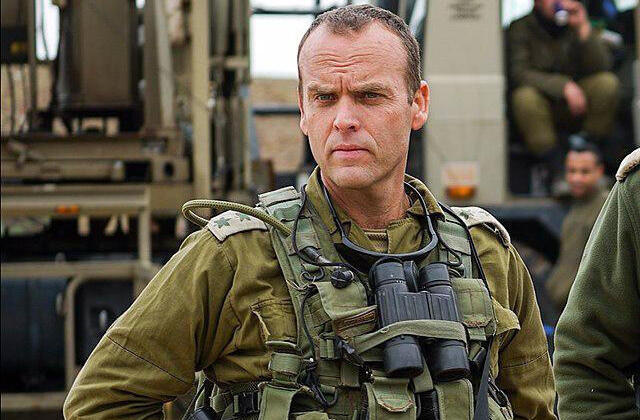
Chief of Military Intelligence Major General Shlomi Binder
(Photo: IDF Spokesperson's Unit)
One of the lessons learned after October 7 was the need to establish a “situation picture command center” within Military Intelligence, a body designed to warn of possible attacks from different directions. As part of this system, the operational array reviews enemy readiness almost daily and examines its capabilities.
“There is a tendency to think of the Houthis as an Iranian proxy, but that’s not necessarily the case,” the military source explained. “They are very independent. They resemble a state or an organization acting on its own more than a proxy that immediately carries out everything Iran asks.”
Despite this, he added: “We assess that the Houthis will join the campaign and launch attacks toward Israel.”
First published: 07:57, 03.08.26