


The High Court of Justice on Wednesday froze millions of shekels in coalition funds earmarked for Haredi institutions, settlement programs and other government priorities, citing apparent procedural flaws in the Knesset Finance Committee vote that approved them.
Justice Alex Stein issued an interim order blocking nearly all the transfers approved Tuesday. Funding for civilian emergency expenses was exempted and may proceed.
Gallery
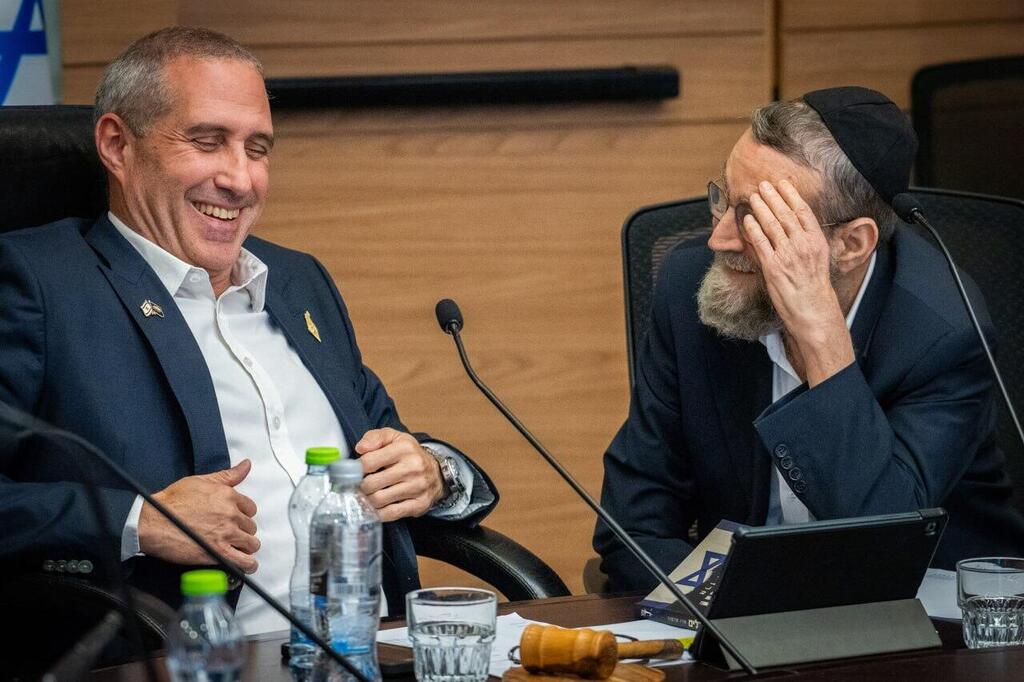
Moshe Gafni and Hanoch Milwidsky at a Knesset Finance Committee meeting
(Photo: Shalev Shalom)
Stein ordered that the petition challenging the transfers be heard by a three-justice panel as soon as possible.
The frozen allocations include coalition funds for yeshivas, religious seminaries and other Haredi institutions, as well as substantial additions to the National Missions and Settlement Ministry headed by Minister Orit Strock.
The Finance Committee approved the transfers after a lengthy and contentious session made possible by Knesset Speaker Amir Ohana’s use of a rarely invoked provision allowing committee meetings during a parliamentary recess.
Opposition lawmakers argued that the coalition was attempting to move large sums to political allies shortly before the election and that the approval process violated proper parliamentary procedure.
The petition was filed by Democrats lawmaker Naama Lazimi and attorney Yifat Solel of Hiddush, an organization promoting religious freedom and equality.
“We warned in advance that we would not allow the daylight robbery of public money,” Lazimi said after the ruling.
She accused the outgoing coalition of trying to empty the public coffers for political allies and draft evaders while turning the state budget into a partisan instrument.
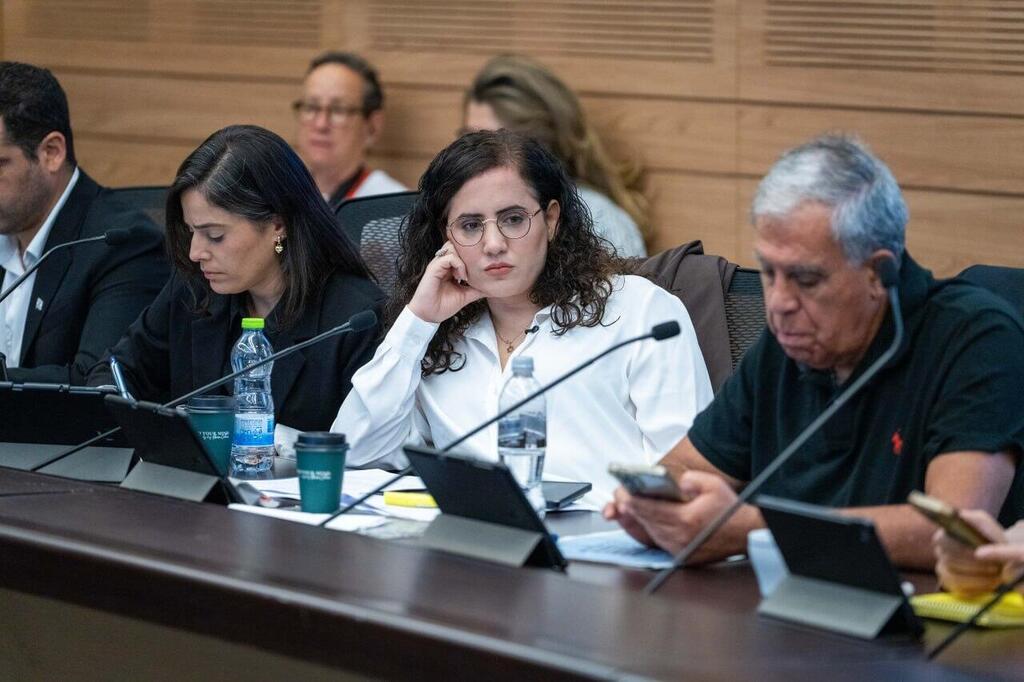
Naama Lazimi at a Knesset Finance Committee meeting
(Photo: Shalev Shalom)
Finance Committee chairman Hanoch Milwidsky responded by attacking the court and calling for it to be replaced by a constitutional court.
“Yesterday Judge Solberg and today Judge Stein. Both entered the Supreme Court as ‘conservatives,’” he said. “There is no fixing the High Court. It must be shut down.”
Coalition chairman Ofir Katz also accused the court of applying a double standard, claiming that similar transfers had been allowed under the previous government shortly before an election.
Among the transfers approved Tuesday were about 306 million shekels for Haredi education, including coalition and non-coalition allocations.
The funding included support for yeshivas, teacher-training seminaries and religious institutions. Officials said the allocations had undergone legal and professional review under the attorney general’s procedures.
The Religious Services Ministry was also set to receive about 78 million shekels for religious functionaries’ salaries, holy sites, cemeteries, oversight of religious councils and expenses related to those killed in Operation Roaring Lion.
Strock’s National Missions and Settlement Ministry was due to receive 125 million shekels from the government housing budget and another 132 million shekels in commitment authority.
The money was intended in part for development in western Negev communities, Ashkelon and Beersheba, programs for Israelis of Ethiopian descent and assistance for at-risk youth in the West Bank.
Had the transfers taken effect, Strock’s ministry would have reached an annual budget of 821 million shekels, with an additional 944 million in commitment authority, placing it above 15 other government ministries.
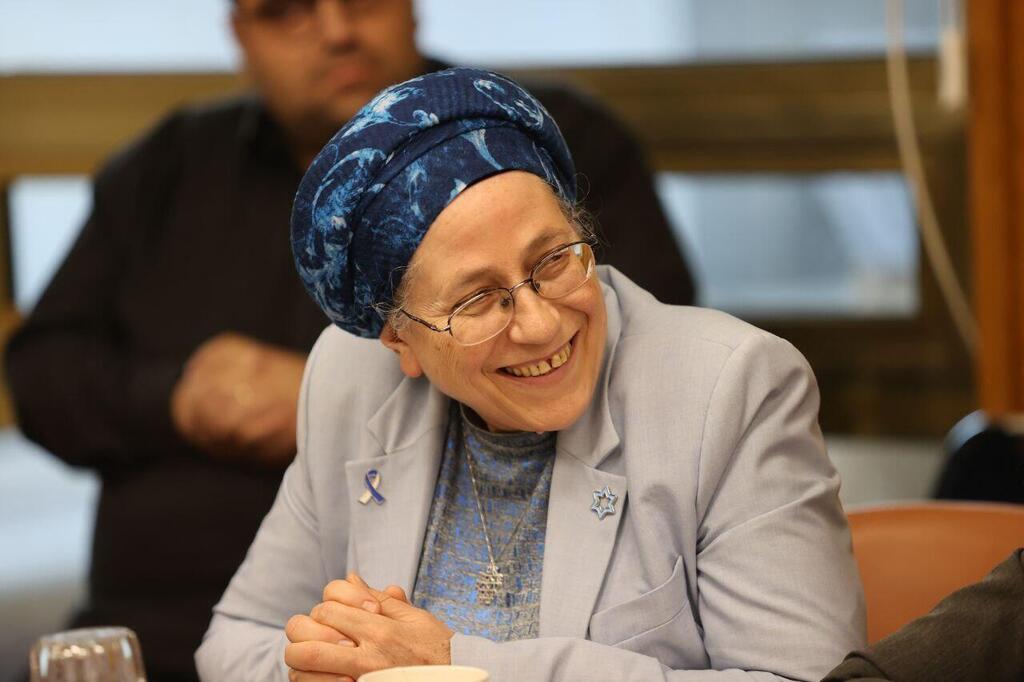
National Missions and Settlement Minister Orit Strock
(Photo: Alex Kolomoisky)
The Education Ministry was also due to receive about 800 million shekels and another 300 million in commitment authority for computer systems, summer school programs, national assessment projects and programs aimed at reducing disparities in Arab society.
Another 85 million shekels was to be transferred from the Prime Minister’s Office to the Education Ministry for commitments to teachers’ organizations and welfare funds.
The court allowed one major category to proceed: about 670 million shekels for civilian emergency expenses. A further 330 million shekels in commitment authority was allocated to accelerate protection work in communities within nine kilometers of the Lebanese border, including grants for reinforced rooms in private homes.
The disputed Finance Committee meeting was convened after Ohana invoked Section 112(b) of the Knesset Rules, which permits committee sessions during recess in exceptional circumstances.
The Knesset’s legal advisers had initially said only six transfers previously approved by the Knesset Committee could be discussed. Those were described as urgent allocations involving salaries and essential government operations.
Officials argued that the school year could not begin without payments to teachers and that some government computer systems had already stopped operating.
Committee legal adviser Shlomit Arlich said the session continued a July 29 meeting in which 23 of 33 pending requests had already been discussed. She also noted that dozens of budget requests had been approved during previous election recesses.
The High Court’s interim order now leaves most of the coalition transfers frozen until the three-justice panel reviews whether the committee’s procedure was lawful.