

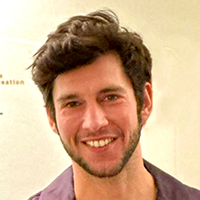
Morey Levovitz, chairman of the Friends of the IDF (FIDF) in the U.S., and the organization's CEO, Steve Weil, have officially been removed from their positions, Ynet has learned.
The decision came following weeks of unprecedented internal turmoil and mounting pressure from major donors who withdrew their support from the organization.
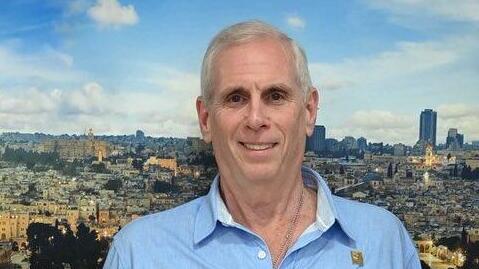
Levovitz, who served as a volunteer chairman for the past two years, was accused of conflicts of interest, centralized decision-making, and daily interference in operations to the point that he “became the de facto CEO.” Weil's presence at the helm also fueled the crisis, as he was named in formal complaints filed with authorities in New York over allegations of discrimination and sexist remarks. Within the organization, there were fears of a major drop in donations if the two remained in office.
Nili Falik, a close associate of Prime Minister Benjamin Netanyahu, will be appointed as the new chair. Retired IDF Maj. Gen. (res.) Nadav Padan, will take over as CEO. The organization hopes the changes will restore stability and rebuild trust with its donor base. A senior FIDF official told Ynet: “An era has ended. The question now is whether it will be enough to save the organization.”
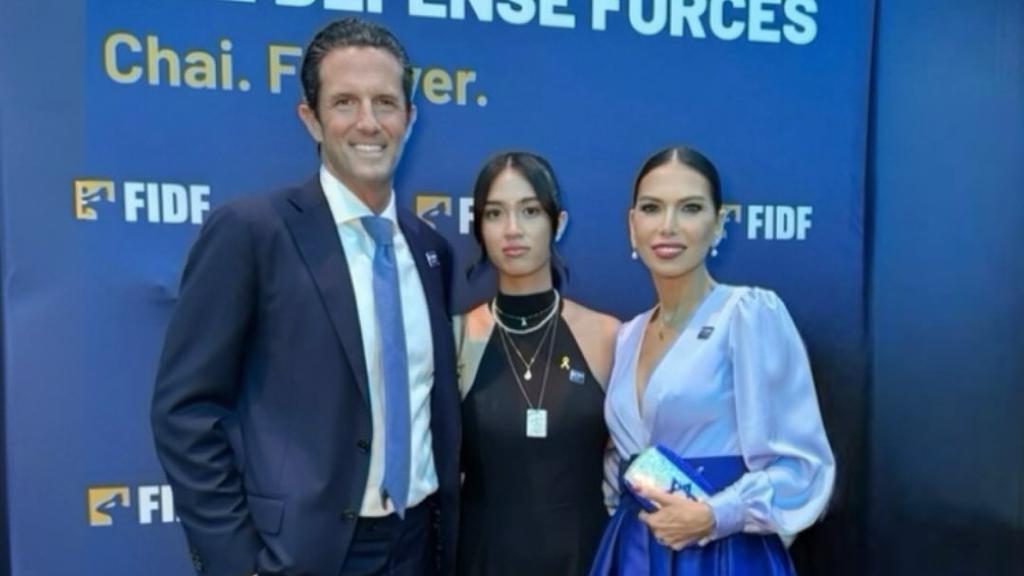
ormer hostage Noa Argamani (center) at FIDF fundraiser
(Photo: From social media networks)
The dramatic shake-up follows an unprecedented crisis that began with Ynet’s exposé. In response, FIDF leadership sought to contain the fallout, hiring a crisis management PR firm and issuing strict internal guidelines instructing employees “not to speak with journalists or share information with outside parties.” Donors were also sent letters of reassurance stating: “There’s no reason to panic. The matter is being handled.”
Get the Ynetnews app on your smartphone: Google Play: https://bit.ly/4eJ37pE | Apple App Store: https://bit.ly/3ZL7iNv
In an official letter, Padan wrote: “In response to recent media coverage that some of you may have seen, we want to take this opportunity to reaffirm FIDF’s steadfast commitment to you—our supporters ... . Together, we are making an immeasurable difference. And as our soldiers continue to put their lives on the line every single day, it is essential that we continue to serve them with the same sense of urgency and responsibility.”
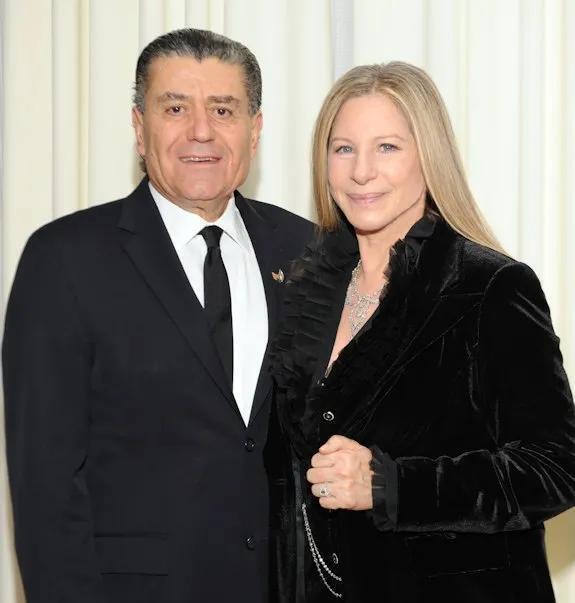
FIDF donor Haim Saban with singer Barbra Streisand
(Photo: Barbra Archives)
Despite these assurances, donor pressure on the ground only intensified. Longtime donors canceled event appearances, froze commitments, and key events faced boycott threats. For example, the annual golf tournament, which typically raises around $500,000, opened this year with just 50 attendees instead of the usual 150. An internal email to board members warned of a potential 50% drop in donations, a rise in overhead spending beyond 35%, and a serious threat to the flagship New York gala—one of the organization’s main sources of revenue.
Data found in internal correspondence shows that donation postponements have already exceeded $10 million. Donors are reassessing administrative expense ratios versus funding allocated directly to soldier projects. “This crisis will directly harm our ability to fund projects for the soldiers,” one senior official warned. Another major donor reportedly messaged Levovitz: “"I hold you directly responsible for this crisis. You should be ashamed and resign immediately. You’ve done irreparable harm to our brand. You’re harming the soldiers.” A veteran supporter warned: “The situation is catastrophic and could impact the New York gala. Without a clear response, donor trust will be irreversibly damaged.”