

Iran is entering the next stage of negotiations with the Trump administration with a major financial prize in sight: tens of billions of dollars in frozen assets held abroad, which could help stabilize an economy battered by sanctions and war.
But even after the sides completed a memorandum of understanding electronically, Iran continued launching large numbers of drones toward commercial vessels in the Strait of Hormuz, NBC reported, citing a U.S. official. According to the report, the Islamic Revolutionary Guard Corps kept up the launches on multiple nights after the agreement was announced.
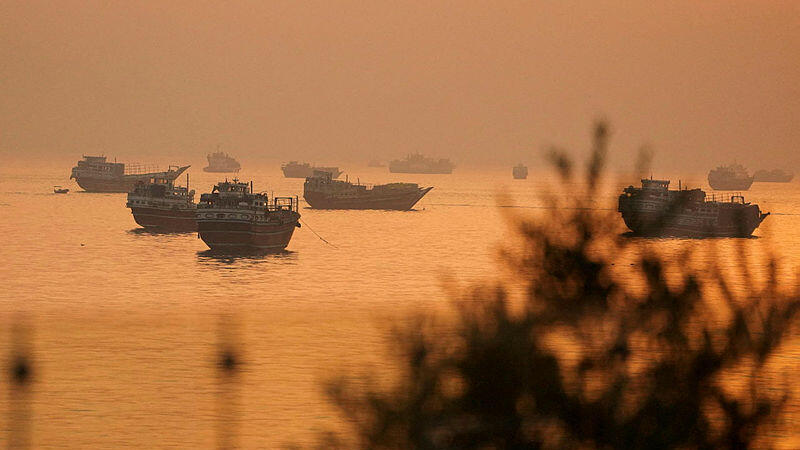
The official said U.S. forces intercepted the drones before they posed a threat to commercial ships, military vessels or crews operating in the area.
A leaked version of the memorandum, whose authenticity has not been independently verified, says Iran would take immediate steps after signing to ensure that commercial shipping between the Persian Gulf and the Gulf of Oman returns within 30 days to prewar levels. The text also refers to the need to remove technical obstacles and neutralize mines.
The document also says the United States would, as negotiations advance toward a final agreement, make frozen Iranian funds and assets available to Tehran. The language is relatively vague, but the incentive is clear: Iran is seeking access to money held overseas, much of it tied to oil revenues blocked by sanctions.
The Wall Street Journal mapped the frozen Iranian assets by country. According to the report, China holds between $20 billion and $50 billion; Iraq holds about $15 billion; India holds about $7 billion; South Korea holds about $7 billion, most of which was transferred to Qatar; Qatar holds about $6 billion; Japan holds about $3 billion; the United States holds about $2 billion; Luxembourg holds about $2 billion; and Oman holds about $1 billion.
Some of those assets have been frozen since shortly after the 1979 Islamic Revolution. Most of the blocked funds, however, are more recent payments for Iranian oil sales to China, India, South Korea and Japan. They became inaccessible after Trump withdrew from the 2015 nuclear deal during his first term and reimposed sanctions on Tehran in 2018.
Estimates of Iran’s frozen assets abroad vary widely. Tehran says the total is at least $100 billion, while other experts believe the real figure is significantly lower.
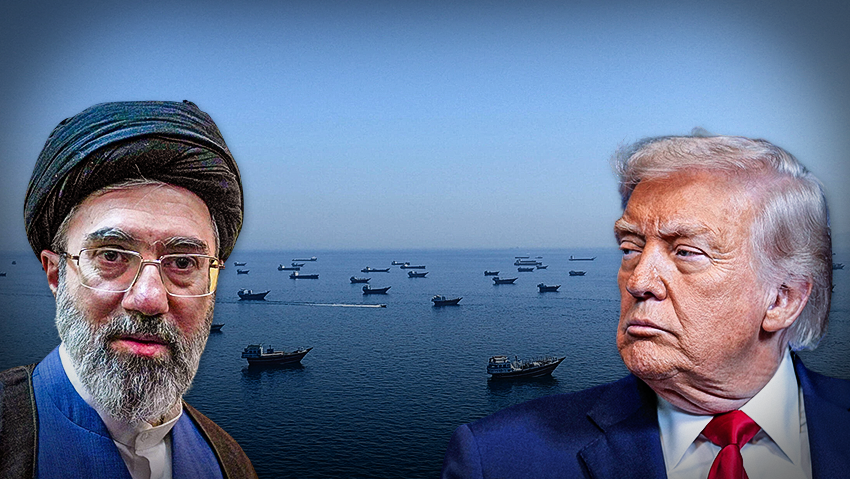
(Photo: Hamed Jafarnejad/ISNA/WANA (West Asia News Agency) via REUTERS, AP/Alex Brandon, REUTERS/Stringer)
CNN reported that U.S. officials described the memorandum as highly vague, saying the wording was designed to create a more favorable atmosphere for the technical negotiations expected between Washington and Tehran. According to the report, the language also gives Iran political room to present the agreement domestically in a way that serves its needs.
The memorandum, which Vice President JD Vance said is about a page and a half long, does not include several critical commitments that U.S. officials say Iran gave Washington through back channels. Those understandings reportedly helped give Tehran the confidence to approve the framework.
U.S. officials cited by CNN described the written memorandum as more political than technical, saying the understandings between the sides are more important than the wording of the document itself.
The framework does not resolve the dispute over Iran’s nuclear program. Instead, it pushes the issue into future negotiations expected to last 60 days. It does, however, call for reopening the Strait of Hormuz, at least for now without Iran demanding payments from ships. Reports said the long-term management of the strait would also be addressed in the next stage of talks.
CNN reported that Iran privately indicated to the United States that it would accept concessions sought by the Trump administration, including American involvement in the destruction of enriched uranium in coordination with the International Atomic Energy Agency. Those commitments, however, do not appear explicitly in the memorandum.
The document does detail some of the economic relief Iran could expect if it fulfills its commitments, including possible future access to a reconstruction fund worth $300 billion.
Trump administration officials have said privately that they are eager to release the agreement’s text to the public, but are allowing Iran some room to manage its internal political process. A person familiar with the talks said copies of the agreement have been circulating in Europe and among officials from G7 countries.
According to CNN, U.S. officials want the document made public, while Iran asked Washington to wait until Friday. One reported reason for the delay is an internal Iranian discussion over whether Supreme Leader Mojtaba Khamenei should issue a statement before the formal signing in Switzerland.
Publishing the document too early could complicate those efforts, according to the report. U.S. officials were described as more focused on the substance of the agreement and building trust than on immediate control of the public narrative.
The agreement is also drawing criticism inside Trump’s own party. Hawkish Republicans have begun questioning whether the president gave up too much in order to end the war.
Axios reported that although the administration is presenting the understandings as a diplomatic achievement, senior U.S. officials were sharply divided behind the scenes. According to the report, CIA Director John Ratcliffe told Trump and other top officials that U.S. intelligence had raised serious doubts about Iran’s willingness to carry out the nuclear concessions Washington wants in a final deal.
Ratcliffe was not the only senior official to express concern. Reports said Secretary of State Marco Rubio and Defense Secretary Pete Hegseth also raised questions during internal discussions, while Vance, special envoy Steve Witkoff and Jared Kushner pushed to move the understandings forward.