

Despite the memorandum of understanding being signed digitally, Iran has continued to launch a “large number” of UAVs toward commercial ships in the Strait of Hormuz. This was reported overnight (between Tuesday and Wednesday) by NBC News, citing a U.S. official who said the Islamic Revolutionary Guard Corps has effectively continued firing every night since the sides announced the agreement.
According to the official, the United States has intercepted the UAVs before they posed a threat to commercial vessels, military ships or personnel in the region.
Gallery
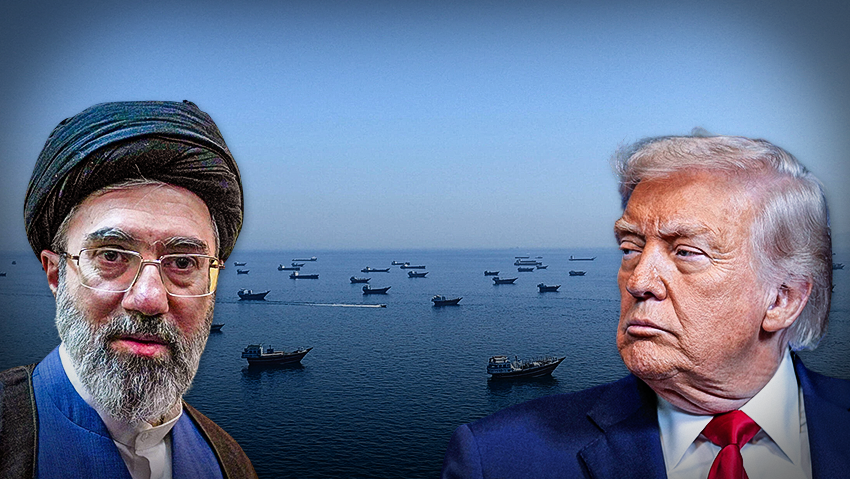
Iran continues to launch UAVs toward commercial ships in the Strait of Hormuz
(Photo: Hamed Jafarnejad/ISNA/WANA (West Asia News Agency) via REUTERS, AP/Alex Brandon, REUTERS/Stringer)
In a leaked version of the memorandum, whose authenticity has not been verified but whose wording aligns with other reports, it states that Iran is committed to ensuring safe passage for commercial vessels between the Persian Gulf and the Sea of Oman within the same timeframe, including the neutralization of mines it had placed in the waterway.
Meanwhile, U.S. officials told CNN that the memorandum is drafted in an “incredibly vague” manner to create a more favorable environment ahead of technical negotiations between the United States and Iran. They said the framework is designed to allow Iran to “sell” the agreement domestically for political purposes.
“The language allows Iran to say what they need to say for their domestic politics,” one official said.
According to the report, the memorandum does not reflect critical commitments Iran allegedly made to the United States through “back-channels,” which gave Tehran confidence to sign the agreement. “People shouldn't read too much into the language of the MoU,” one official said, describing it as a “political document” and adding, “What's more important than the actual document is the understandings we have with each other.”

Iran is committed to ensuring safe passage for commercial vessels between the Persian Gulf and the Sea of Oman
(Photo: REUTERS/Stringer)
The memorandum of understanding, which U.S. Vice President JD Vance said is about a page and a half long, does not reflect key commitments Iran made to the United States behind the scenes, including steps it is prepared to take that Washington has demanded. These include American involvement in the destruction of enriched uranium in coordination with the International Atomic Energy Agency. Officials emphasized that such a clause is not explicitly included in the document.
The memorandum does state in some detail the economic relief Iran could expect if it meets its commitments, including access in the future to a $300 billion “development fund.” The document is less clear regarding the unfreezing of Iran’s frozen assets.
Trump administration officials said in closed-door discussions that they are eager to release the text publicly but are allowing Iran some room to shape domestic political dynamics. A source familiar with the talks said copies of the agreement are circulating in Europe and among other G7 officials who attended a summit in Évian, France.
We want the text to be out there,” one official told CNN. “They asked us to wait until Friday to put it out, but we’re asking if we could put it out sooner, and we might be able to do that, which is what we’re trying to do.”
According to the same source, one factor delaying publication is Iran’s Supreme Leader, Ali Khamenei, who has given implicit approval to the memorandum, while internal discussions in Iran continue over whether he should issue a statement before the formal signing in Switzerland.
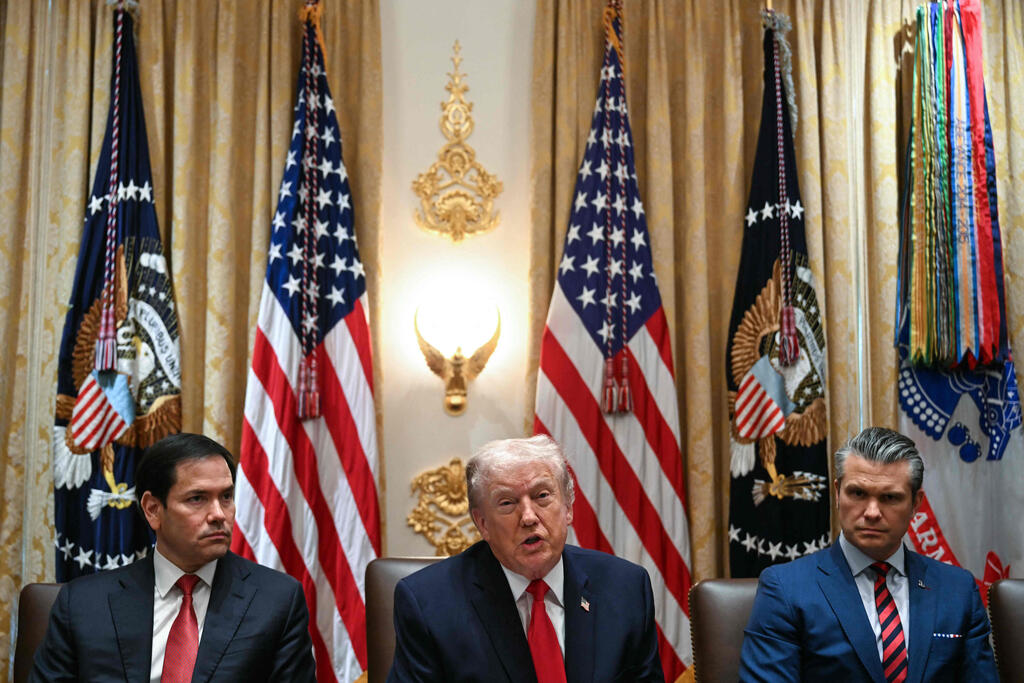
The agreement is also drawing internal debate within Republican Party ranks
(Photo: Brendan SMIALOWSKI / AFP)
The agreement is also drawing internal debate within Republican Party ranks, with its hawkish wing questioning whether the president conceded too much in order to end the war.
A report by Axios said that although the administration presents the understanding as an achievement, there was a sharp internal debate within senior U.S. leadership. According to the report, John Ratcliffe told the president and senior officials that intelligence collected by U.S. agencies raises serious doubts about Iran’s willingness to carry out the nuclear concessions Washington is demanding in any final agreement.
According to three sources familiar with the discussions, Ratcliffe was not alone in expressing reservations. Secretary of State Marco Rubio and Defense Secretary Pete Hegseth also raised concerns and questions in internal discussions, while Vice President JD Vance and envoys Steve Witkoff and Jared Kushner pushed to advance the understanding.