


The U.S. military was significantly bolstering its forces across the Middle East against the backdrop of potential American involvement in Israeli operations against Iran and Tehran's threats to retaliate against U.S. bases.
While U.S. President Donald Trump said Tuesday he has no plans to "currently" eliminate Iran's Supreme Leader Ali Khamenei, the Pentagon has deployed dozens of fighter jets, refueling aircraft and has diverted the aircraft carrier USS Nimitz to the region in recent days.
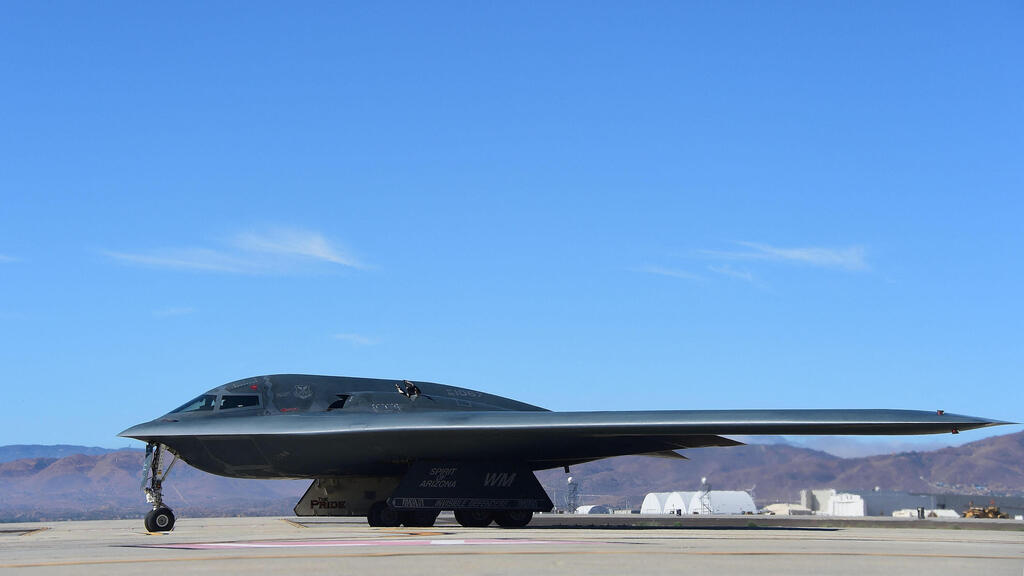
American B-2 heavy bomber


The U.S. maintains an estimated 46,000 troops alongside warships and fighter jets across at least 19 sites in the Middle East, with eight designated as permanent bases, despite the White House's official stance that forces maintain a "defensive position."
Recent reinforcements include dozens of Boeing KC-135 Stratotanker refueling aircraft, at least 12 F-15 and F-35 fighter jets and the USS Nimitz carrier group. The Nimitz abruptly departed the South China Sea, canceling a planned port call in Vietnam on June 20th due to an "urgent operational demand," and is now sailing to join the USS Carl Vinson already positioned in the region.
Key installations witnessing activity include Al Udeid Air Base in Qatar, the largest U.S. base in the region, spanning over 12 square kilometers (4.6 sq mi). It houses approximately 11,000 personnel and over 100 aircraft, including B-52 strategic bombers, KC-135 tankers, F-15s, F-35s and MQ-9 strike drones.
It features two exceptionally long runways (3,750 meters / 12,300 ft). While Qatar has officially barred using the base for operations against Iran, its capabilities make it a potential launch point. Washington invested roughly $8 billion in recent upgrades.
Get the Ynetnews app on your smartphone: Google Play: https://bit.ly/4eJ37pE | Apple App Store: https://bit.ly/3ZL7iNv

Ain al-Asad Air Base
(Photo: AP)
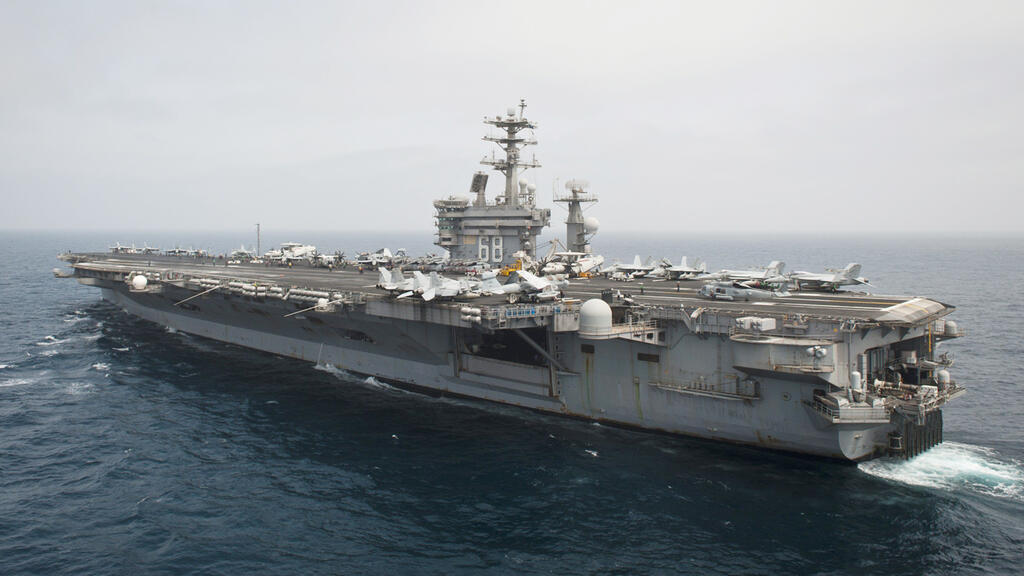
USS Nimitz
(Photo: AFP PHOTO/NAVY MEDIA CONTENT SERVICES/HO/RAUL MORENO")
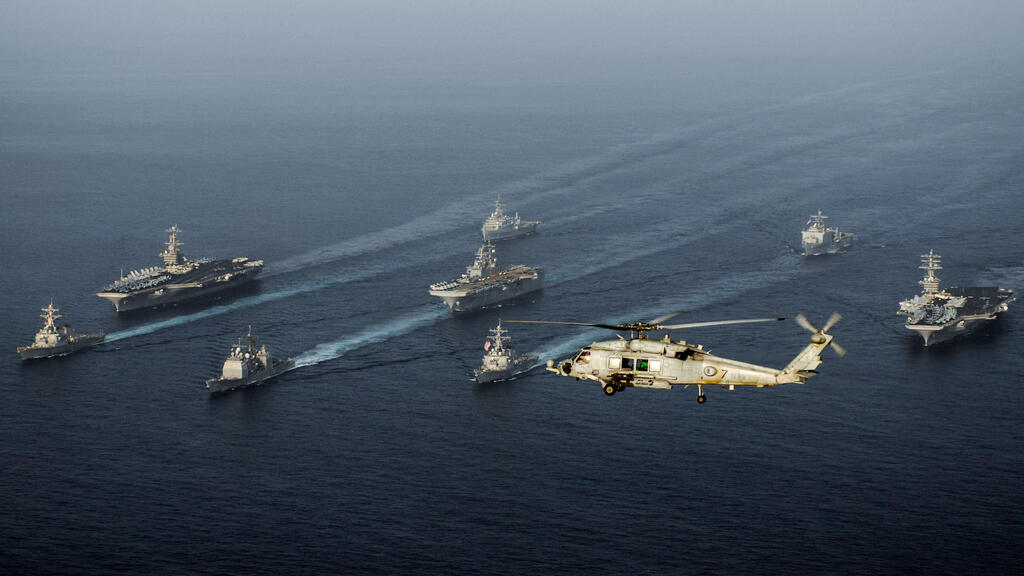
U.S. strike group at the Persian Gulf
(Photo: AFP)
In Iraq, Ain al-Asad Air Base hosts about 2,500 U.S. and British troops. It faced a suspected Iran-backed militia drone attack last Saturday, with drones intercepted. The base remains vulnerable if Washington joins Israeli actions. Strategically located Diego Garcia in the Indian Ocean, approximately 4,000 kilometers (2,485 miles) from Iran, now hosts B-2 Spirit stealth bombers visible in recent satellite imagery.
These bombers can carry nuclear weapons or the massive 12.3-ton GBU-57 Massive Ordnance Penetrator (MOP) bunker-buster bomb, likely the only weapon capable of destroying Iran's Fordow nuclear site. F-15 fighters, C-17 transports and KC-135s are also deployed there.
Other critical hubs include Camp Arifjan in Kuwait, a joint logistics and supply center storing $5.5 billion in pre-positioned weapons; Naval Support Activity Bahrain, housing roughly 8,300 U.S. Navy personnel and Prince Sultan Air Base in Saudi Arabia, though its operational use diminished after 2003.
In Cyprus andreas Papandreou Air Force Base and RAF Akrotiri – the UK's largest regional airbase with about 2,220 personnel – serve as strategic points, though Cyprus insists on local approval for offensive operations.
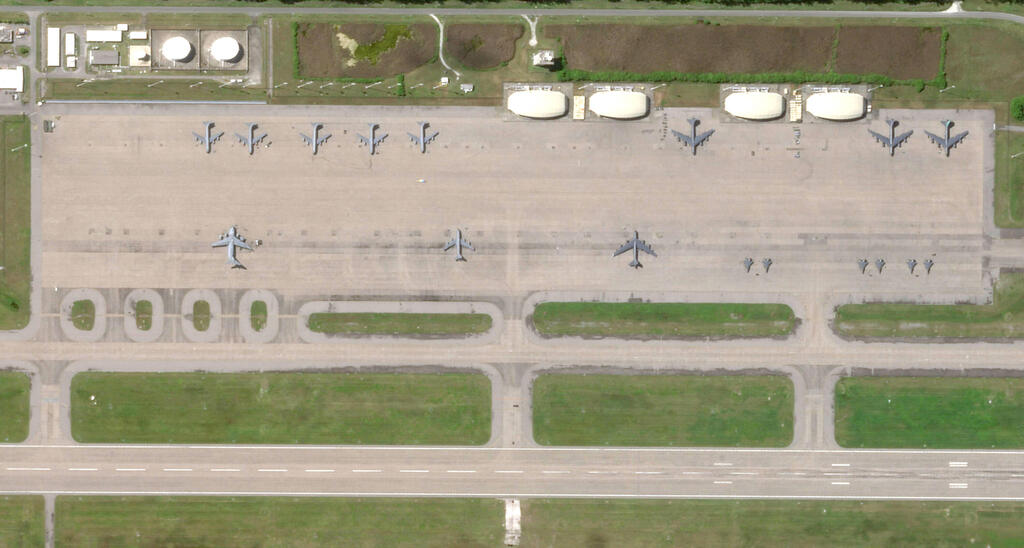
Diego Garcia base
(Phoot: AFP PHOTO / PLANET LABS PBC)
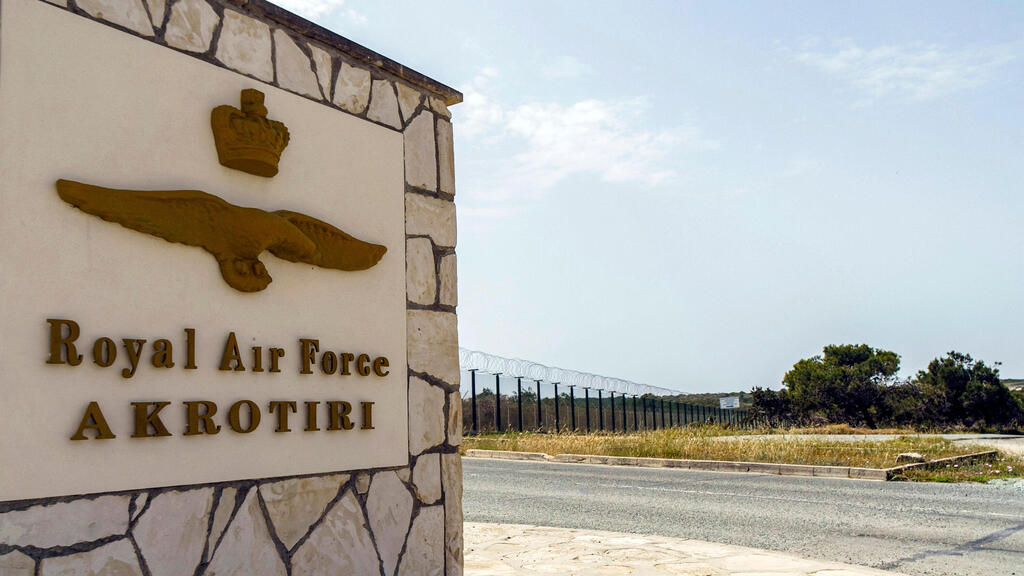
Papandreou Air Force Base
(Photo: AFP )
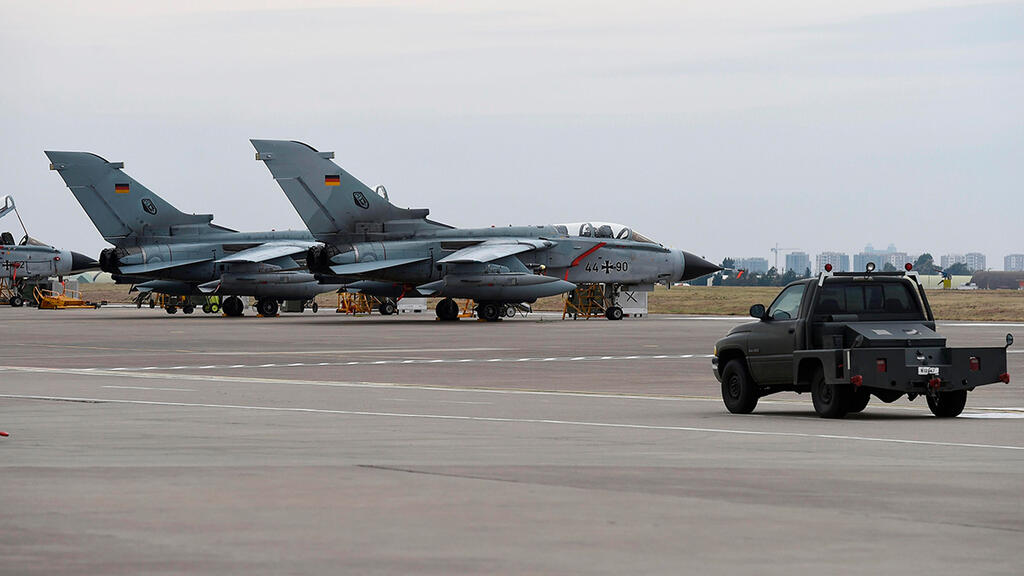
Incirlik Air Base in Turkey
(Photo: AFP)
Incirlik Air Base in Turkey, while Turkish-operated and used by U.S., UK and Saudi forces, reportedly stores approximately 50 U.S. B61 nuclear bombs, despite past threats of closure by President Recep Tayyip Erdogan over U.S. sanctions.
The military buildup underscores heightened readiness as tensions escalate, with forces dispersed across the region positioned for potential conflict despite official statements emphasizing defense.