

The Pentagon is preparing for a conflict with Iran that could last at least 100 days and potentially extend through September, according to a report by POLITICO, as the United States increases military intelligence support for operations tied to the widening war involving Israel.
U.S. Central Command, meanwhile, is asking the Pentagon to send more military intelligence officers to its headquarters in Tampa, Florida, to support operations against Iran for at least 100 days but likely through September, according to a notification obtained by POLITICO.
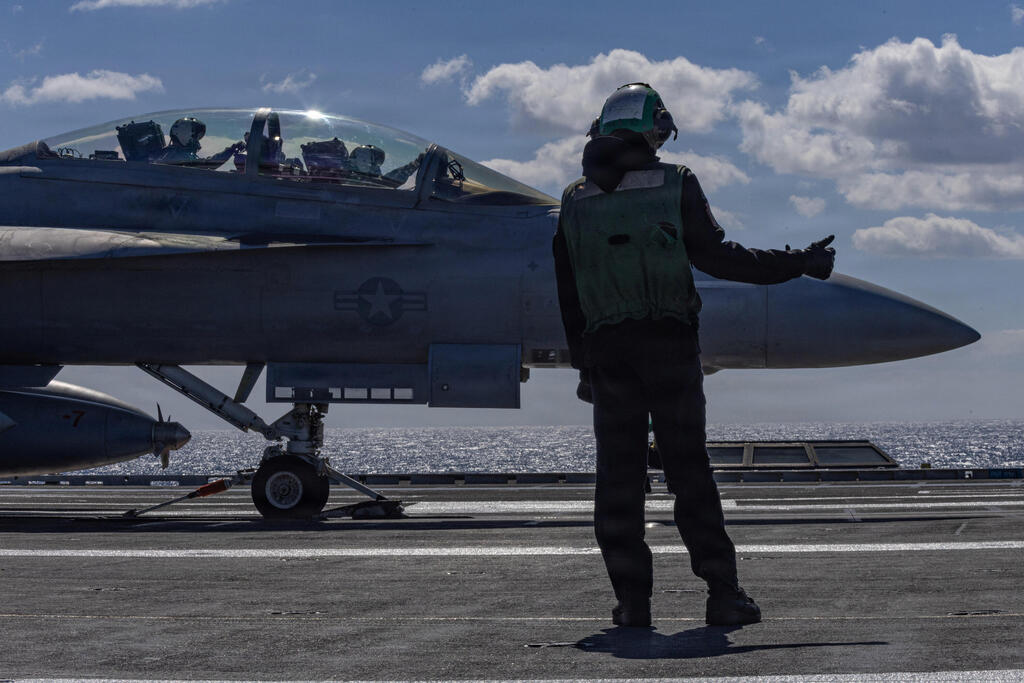
(Photo: U.S. Navy/Handout via REUTERS)
The request marks the first known call by the administration for additional intelligence personnel dedicated to the conflict and suggests the Pentagon is preparing for operations that could extend far beyond President Donald Trump’s initial four-week timeline for the war.
According to the report, the Pentagon is already allocating funding and resources for a longer campaign as fighting between Israel, Iran and Iran-backed terrorist groups spreads across the region.
POLITICO reported that the move highlights concerns inside the U.S. defense establishment that the conflict could become a prolonged regional war rather than a short operation.
The United States launched a large-scale military operation alongside Israel targeting Iranian security infrastructure, including strikes that killed the country’s supreme leader and other senior officials, the report said. However, American and Israeli officials have not yet clearly defined the long-term objectives of the campaign.
Iran has retaliated with attacks on Israel, U.S. and allied targets across the Middle East, escalating fears of a broader regional confrontation.
At least six U.S. troops were killed in a drone strike on a facility in Kuwait, according to the report, raising concerns among military planners about the vulnerability of U.S. bases in the region to Iranian drone attacks.
POLITICO also reported that the Pentagon is moving to send additional air defense systems to the region, including counter-drone technology designed to intercept the relatively inexpensive drones widely used by Iran.
The report noted that Iranian Shahed drones — which are relatively cheap and capable of flying below some radar systems — have already penetrated certain air defenses, forcing the U.S. military to use expensive interceptor missiles that cost significantly more than the drones themselves.
Iran is believed to have thousands of such drones in its arsenal, the report said, raising concerns that prolonged fighting could strain defensive systems and munitions supplies.