

Police continue to promise they will “crush” criminal organizations, announce operations with aggressive names and present seizures of weapons and cash. But in Arab communities across Israel, some families believe the state has already lost: their relatives cooperated with law enforcement, became state witnesses in serious criminal cases and have since lived in constant fear. Some are under heavy protection, others have fled to hiding places, and some have already paid with blood.
Two days ago, a 67-year-old man from Tamra was shot and killed while driving to work on Highway 70 near the village of Kabu in the Western Galilee. For months, his family said, they had been receiving threats because a relative had become a state witness against a criminal organization. Heavy security was stationed at the family home, but relatives say the attackers managed to track movements, identify when he left and carry out the shooting on a major road in full view of passing drivers.
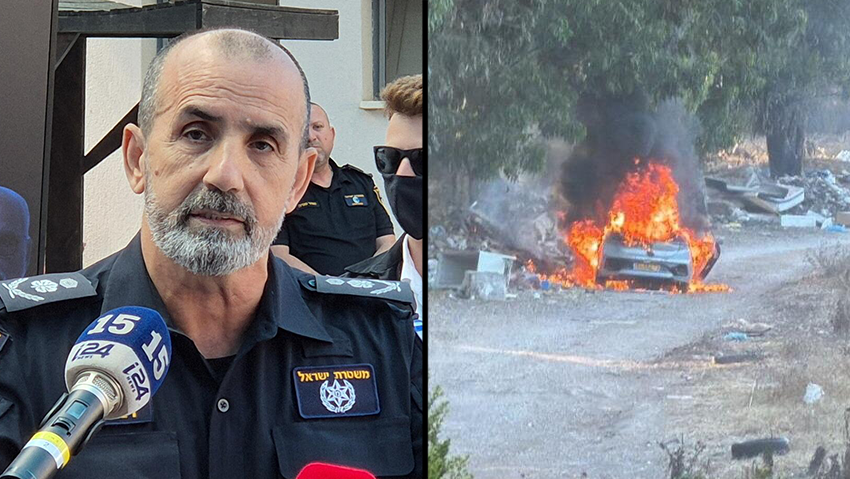
A relative told ynet: “That witness put all of us in the same pit and our lives became threatened. Many family members received threats. It is true the state placed heavy security around our homes, but the lives of people in prison are better than ours.” He added: “Criminal organizations operate more strongly than the Shin Bet.”
The relative said the victim had stayed home for months out of fear for his life but recently decided to return to routine. “He said, ‘I cannot continue living like this, I want to go back to work. I am not in contact with the witness.’ We asked him not to go out, but he insisted — and in the end he was shot dead on Highway 70. It proves the criminals are tracking us in detail, they know the movements of the police and the security guards and they receive constant information about every step we take.”
'The witness is in a safe place, we are paying the price'
When families of witnesses and complainants become targets and the message from criminal organizations is clear — anyone who cooperates with the state puts their relatives at risk — the comparison to Mexico no longer sounds exaggerated, but like a warning of eroding deterrence. The pattern in the Central American country is similar: criminal groups spread fear not only among rivals, but also among witnesses, complainants and their families to deter cooperation with authorities.
The Tamra killing is not an isolated case. Another man, Nazareth resident Ziad Abu Naji, was killed about two months ago at his auto repair shop beneath his home after a relative became a witness against a criminal organization. Family associates said: “We expected that one of the family members would pay with his life. They killed the best and cleanest person in the family. We do not rule out harm to others.”
They added: “The witness is in a safe place while the family and relatives pay the price. No one provides us protection and our lives have become a daily struggle between life and death. Some family members left Nazareth and moved to hiding places, but even there criminal organizations continue searching for them.”
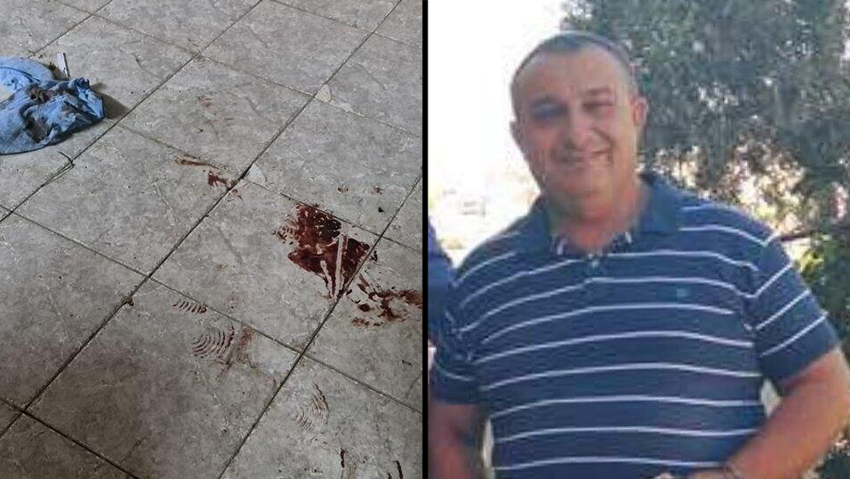
Ziad Abu Naji, was killed about two months ago at his auto repair shop beneath his home after a relative became a witness against a criminal organization
In northern Israel, another man was killed months ago after a relative became a witness against a criminal organization. A relative said: “We cannot even speak to the media for fear of our lives and we had to shorten the mourning period so we would not become a target.”
The common denominator, according to families, is clear: the decision to cooperate with police and the prosecution does not endanger only the witness. It can turn parents, siblings, uncles and extended family into targets. For criminal organizations, the message is simple and brutal: anyone who speaks to the state — their entire circle pays.
A few days ago, Marwan Abu Shaheen and his friend Saada Saada were shot and killed in the village of Bu'eina-Nujidat. According to various sources, Abu Shaheen had refused to pay extortion money and filed a police complaint after receiving threats, but was ultimately killed. His relatives stressed that the motive has not yet been determined and they are not naming any suspects.
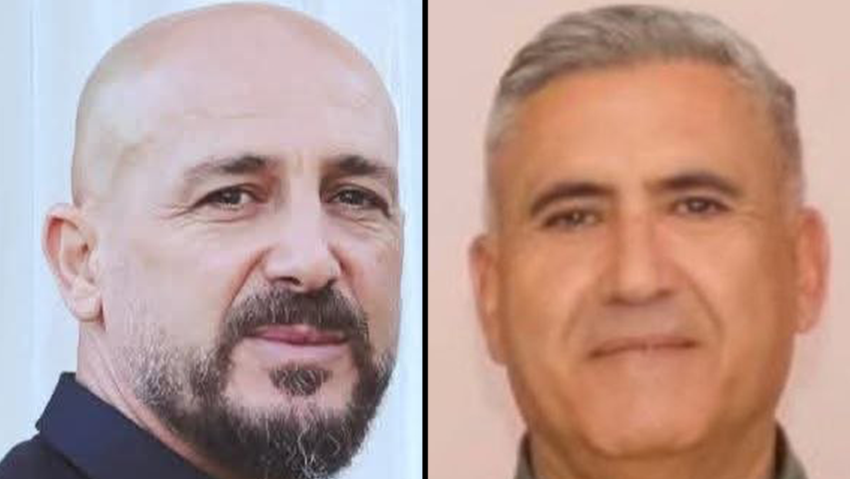
There has also been a similar case in Tayibe: a young man became a witness against a criminal organization in Jaljulia and shortly afterward his brother was murdered. The family linked the killing to his cooperation with police.
In this reality, the question arises: who will agree to cooperate with law enforcement if the state cannot protect their families? Who will file complaints about extortion, testify against killers or help solve serious crime cases if criminal organizations can reach the people around them? That fear has become one of the main tools of organized crime — not only murder, shootings and arson, but intimidation of entire families.
Operations change, fear remains
Only about a month ago, Police Commissioner Danny Levy announced Operation “Iron Net” against criminal organizations. “We will crush them and hit them one by one,” he said. But on the ground, for families surrounded by threats and security guards, the words feel far removed from reality.
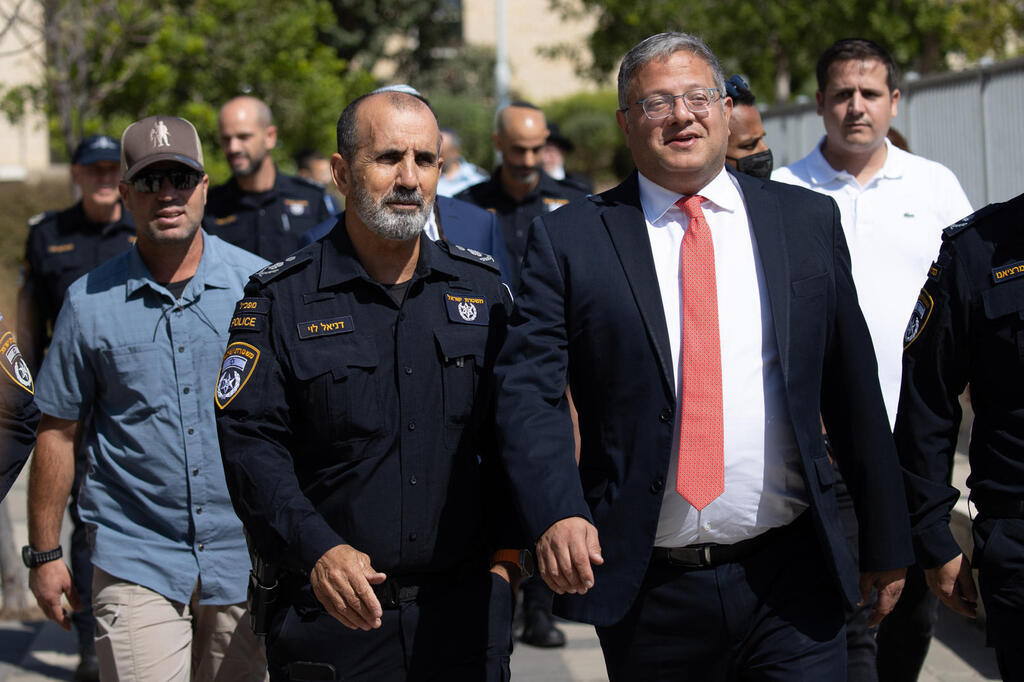
National Security Minister Itamar Ben-Gvir and Police Commissioner Danny Levy have presented a series of enforcement operations in recent years targeting crime
(Photo: Alex Kolomoisky)
National Security Minister Itamar Ben-Gvir and Police Commissioner Danny Levy have presented a series of enforcement operations in recent years targeting crime: “Emergency Containment,” enforcement campaigns in Lod and Ramla, and now “Iron Net.” Each time, goals are announced, weapons are seized, arrests are made and intelligence operations are showcased. But the number of murders in Israel’s Arab community continues to rise, and the sense of security among families assisting the state is eroding.
Since the beginning of the year, 133 people have been killed in Israel’s Arab community. Behind the number are not only crime scenes and criminal files, but also a troubling message: the state asks citizens to help it fight organized crime — but does not always succeed in protecting them and their families afterward.