


The Israeli Air Force last week carried out a rare strike against Iranian naval vessels in the Caspian Sea, targeting missile boats, support ships and patrol craft in a region where Israel had not previously operated.
The vessels carried air defense systems and anti-submarine weapons. According to the IDF, the strike also hit a naval command center used by Iranian forces to manage operations in the Caspian Sea, as well as a shipyard used for the repair and maintenance of vessels.
Strikes on missile ships and command centers in Iran
(Video: IDF)


The targets were identified by a small team from the Israeli Navy’s intelligence directorate, consisting of an officer and three soldiers who had been tracking them over time.
“We had been working on some of these targets for years, and I didn’t think we would strike them during my service,” said Lt. N., a targeting officer in the navy’s Iran branch.
While fixed targets such as the shipyard and command center were already known, locating the vessels at sea proved more complex.
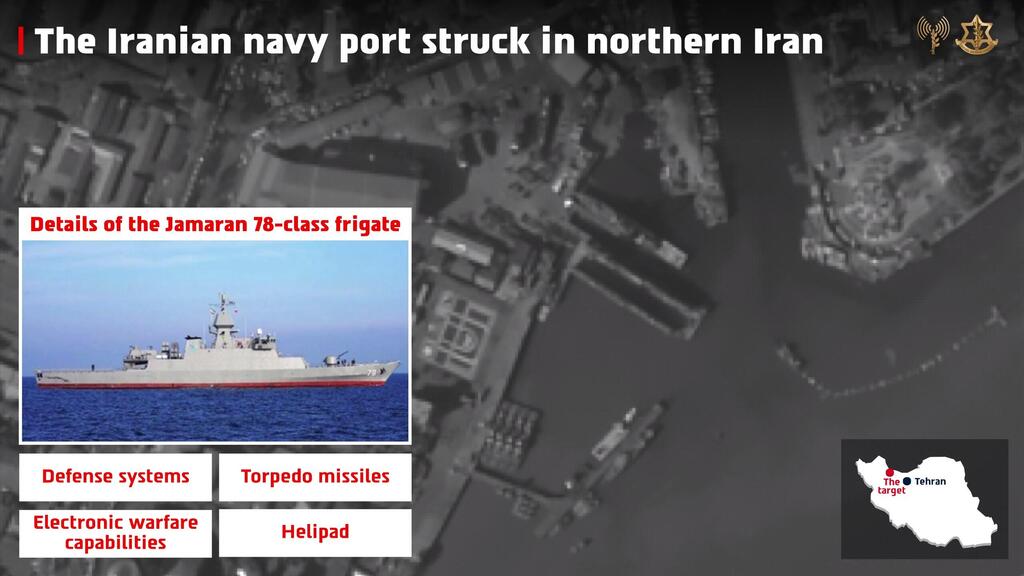
Israeli Air Force strikes the Iranian navy in the Caspian Sea
“The static targets were familiar to us. The challenge was finding the Iranian warships,” said Sgt. G., a geospatial intelligence analyst. “We simply scanned the Caspian Sea until we identified them.”
According to him, Iranian forces were aware their vessels were being monitored and ordered them to leave port and move across the sea.
“In total, six ships were targeted,” he said. “Four missile boats, a large frigate and a support vessel. The frigate carried attack systems, torpedoes and had a helicopter landing pad. We knew how to identify it and distinguish it from other vessels.”
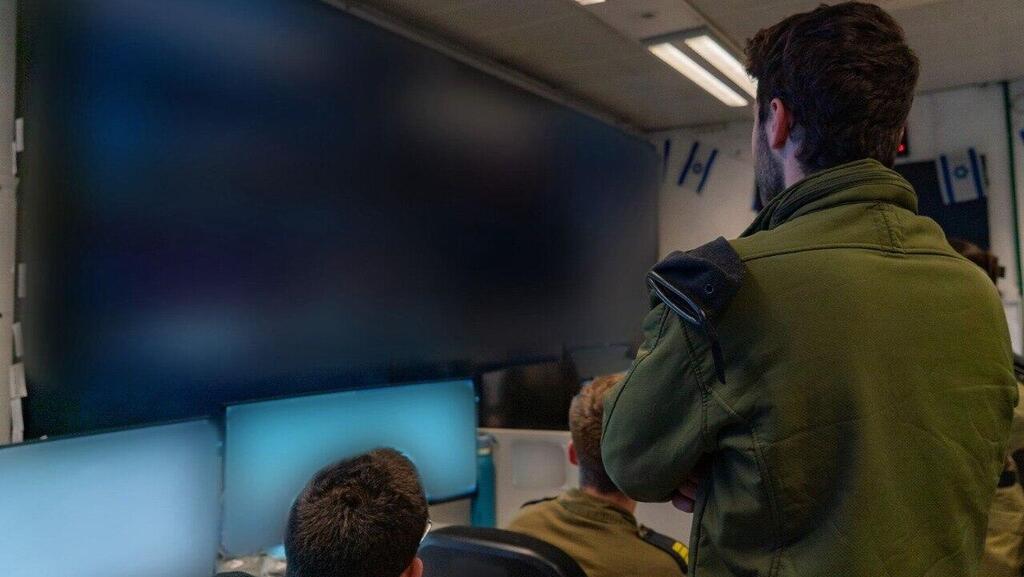
Israeli Navy personnel
(Photo: IDF)
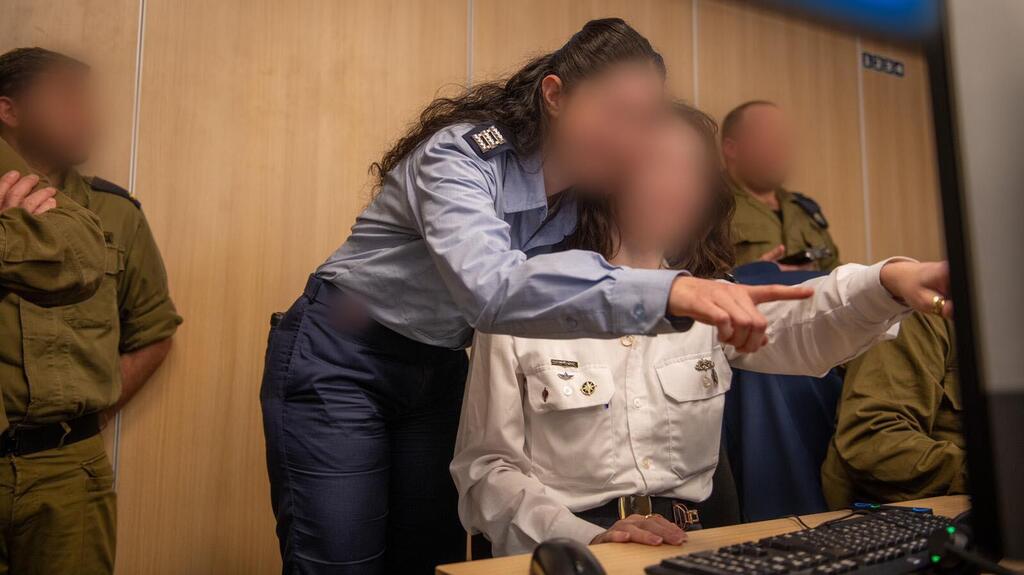
(Photo: IDF)
After the initial identification, intelligence teams were required to continuously track the ships’ positions, maintaining what is referred to in military terms as an “intelligence hold” on the targets.
At the same time, operational planners selected the optimal timing for the strike based on weather conditions and determined the appropriate munitions.
On the day of the strike, Sgt. G. was present in the Israeli Air Force command center and personally confirmed one of the targets.
“Everyone was looking at me as I spoke through the headset with the pilot above the target,” he said. “He asked me to confirm. I identified it, gave approval and he launched. Within minutes, the vessels were destroyed.”
Much of the public attention in the war with Iran has focused on Israeli Air Force pilots, while naval intelligence personnel have received less recognition. In public, the United States has taken primary responsibility for strikes on Iran’s navy.
However, Israeli naval officials said they had conducted extensive preparations ahead of the war and developed dozens of targets under continuous intelligence review.
“Part of our job is to recognize visual indicators and distinguish between military and civilian vessels, because there are civilian ships at sea,” Lt. N. said. “After the strike, we reviewed the intelligence again to verify that the military vessels had been destroyed.”
The operation marked a significant expansion of Israel’s operational reach, demonstrating its ability to conduct coordinated strikes far beyond its traditional areas of activity.