


Last month, following the ballistic missile fire from Iran, severe damage was caused—particularly to older buildings constructed according to outdated standards. While newer buildings sustained only minor damage, the extent of destruction to older structures was clearly visible. In a new report published this Tuesday afternoon, State Comptroller Matanyahu Englman once again warns that approximately 810,000 apartments in Israel require structural reinforcement because they were not built in accordance with Standard 413, which ensures buildings are resistant to earthquakes.
Unlike Iranian missiles, which cause damage in specific targeted areas, a powerful earthquake could result in far more widespread destruction and significantly greater loss of life.
One of the deficiencies highlighted in the report is the lack of involvement by the central government in advancing the handling of dangerous buildings. A previous audit had already indicated that the Interior Ministry and the Housing Ministry had failed to take action to encourage local authorities to address the issue, or to address the economic and social implications of such efforts.
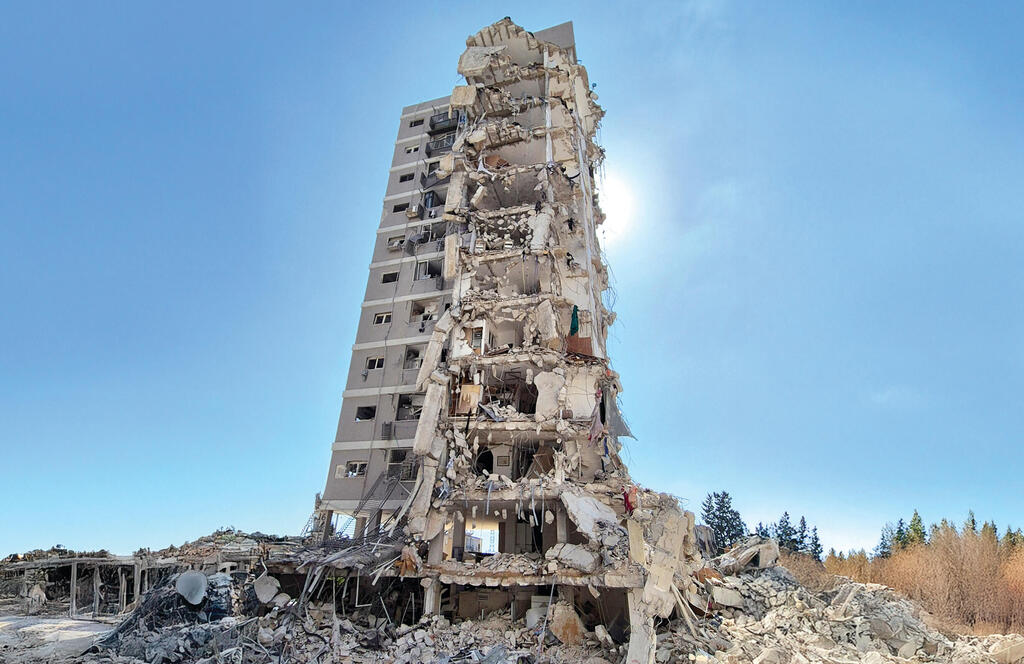
According to the comptroller, there are no ongoing working interfaces between local authorities and government ministries regarding the handling of dangerous buildings. Englman emphasized that this failure has not been corrected. Nearly three years have passed since the previous report—during which time, amid the ongoing war, further structural damage occurred—and only around 10% of the apartments in need of reinforcement have received approval for urban renewal projects that comply with the earthquake-resistance standard. The Prime Minister’s Office has done little to coordinate the national effort, the report found.
The audit further found that the sample bylaws published by the Interior Ministry more than 50 years ago—which were meant to guide local authorities in dealing with dangerous buildings—are vague and lack substantive provisions. These include a lack of clear definitions for what constitutes a dangerous building, how to conduct surveys, safety inspections, and how to publicly disclose relevant information.
Moreover, discrepancies were found between the model bylaws distributed to cities versus those given to local councils. The follow-up audit found that the shortcomings had still not been addressed, despite the significant danger these buildings pose to the public—especially in the context of the Iron Swords War, during which many structures sustained heavy damage, some even requiring demolition.
The report also addressed the safety of school buildings. In the previous report, it was found that the Education Ministry had not mandated structural stability assessments for school buildings, and the Interior Ministry, in coordination with the Housing Ministry, had not published any safety inspection guidelines for public buildings. These failings were also found to be unresolved in the latest audit.
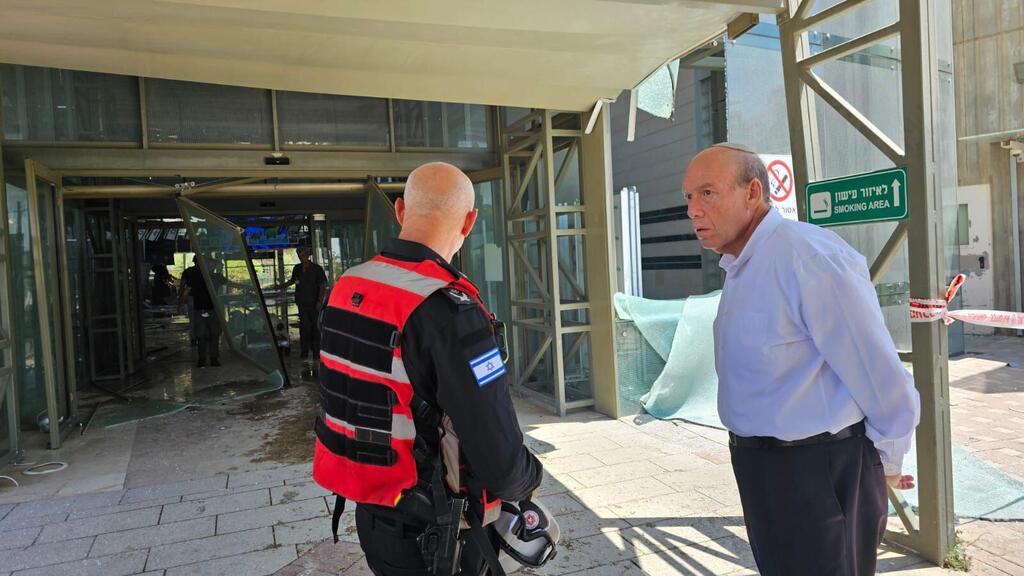
State Comptroller Matanyahu Englman visits Soroka Hospital in Beersheba after the Iranian missile strike, June 19, 2025
(Photo: Courtesy)
The chapter summary presents a grim picture: despite the severity of the deficiencies identified in the previous report, and despite the fact that the Prime Minister’s Office acknowledged the regulatory vacuum in this area as early as 2021, no substantial progress has been made. This is true even after a Knesset State Control Committee discussion and despite the war-induced destruction to many buildings.
The report found that the Prime Minister’s Office, Interior Ministry, and Housing Ministry have yet to complete even the first and most essential step: formulating a nationwide binding definition of what constitutes a dangerous building. Nor have they convened experts to draft such a definition—let alone allocated any budget for implementation. The Interior Ministry, meanwhile, continues to deny responsibility for regulating this issue at the local government level, despite repeated recommendations and warnings by the Comptroller.
Englman concluded that the Prime Minister’s Office, Interior Ministry, Housing Ministry, and Education Ministry must act without delay to regulate the treatment of dangerous buildings and thereby protect lives.
“Even after repeated warnings, the Israeli government fails to grasp the danger posed by 810,000 apartments that are not resistant to earthquakes,” Englman said. “The Iranian missiles during Operation Rising Lion highlighted the gap between old buildings and those built to standard. The estimate is that only 10% of the apartments needing reinforcement have received approval for urban renewal projects. This is yet another critical red flag to the government, which must urgently formulate practical plans to strengthen buildings—rather than wait for the next emergency, the consequences of which could be far worse.”
Fires: Repeated failures
Local firefighting readiness uncovered serious gaps along the northern front during the Iron Swords War amid rocket or UAV attacks. Several fires never received any fire crew response. In areas where aerial firefighting was impossible, no alternate fire suppression measures were in place. When crews did arrive, they remained on site for only short durations, while standing-duty teams—sometimes lacking proper training or equipment—continued battling the flames. All of this unfolded during armed conflict, exposing fire teams to heightened security risks.

Fires in the Ramim Range during the war against Hezbollah
(Photo: Yuval Aviv Yonah)
Another major deficiency is the lack of regulatory progress to protect communities from fires. A prior audit revealed that draft regulations and guidelines circulated by the then-Minister of Public Security were never enacted by the Interior Minister due to lack of budget for creating buffer zones in municipalities. Consequently, the problem persists.
The Ministry of National Security failed to map out costs or appropriate funding. As a result, draft rules—which would have mandated municipal fire-prevention plans and the creation of buffer zones around protected communities—remain unapproved at the time of this report’s release.
Get the Ynetnews app on your smartphone: Google Play: https://bit.ly/4eJ37pE | Apple App Store: https://bit.ly/3ZL7iNv
“With 33,500 fires ignited in 2024 and only nine out of 81 high-risk regions budgeted for buffer zones, Israel is demonstrably failing to prepare for wildfire outbreaks,” the Comptroller warned. “Last Independence Day’s fire served as a glaring warning sign—we narrowly avoided a disaster. The Prime Minister, the Minister of National Security, and the Interior Minister must learn from this and ensure all agencies are ready to tackle wild fires.”
Addressing emergency volunteering and public services
Concerning emergency personnel in local authorities, the Comptroller called on relevant bodies—Home Front Command, welfare ministries, Interior Ministry, and others—to: Organize and integrate volunteer firefighting and rescue teams within municipal emergency planning; Train and maintain readiness of these volunteers; Ensure constant communication with volunteer networks, as deemed necessary.
Local authorities must address all issues raised, review the recorded recommendations, and make appropriate reforms, according to the report.
Regarding public inquiries and complaints, Englman recommended: Assigning dedicated public complaints officers in all municipalities; Operating specialized hotlines capable of 24/7 emergency response; Supporting and empowering complaint officers to use citizen feedback in municipal planning and policymaking.
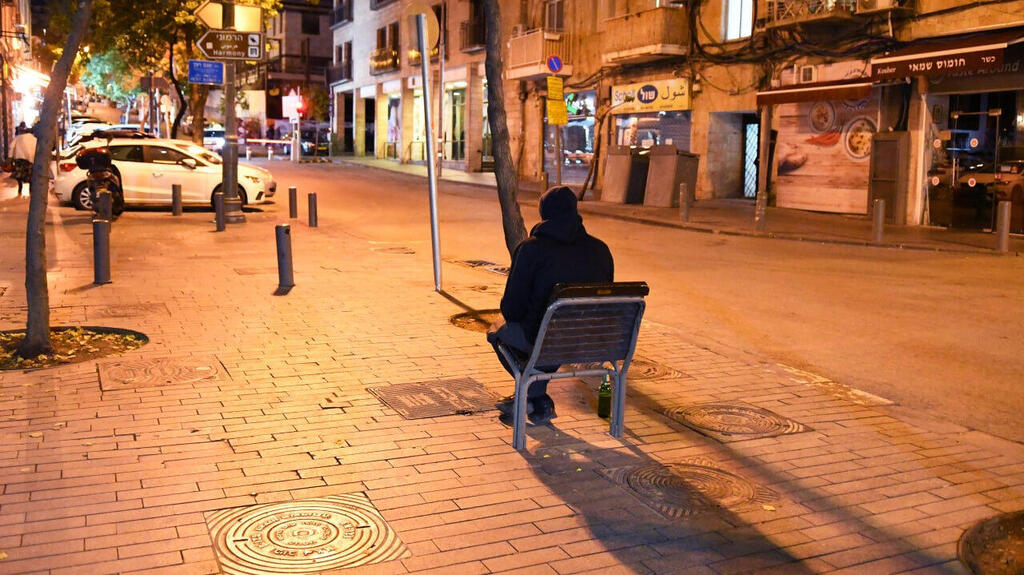
Municipalities should have programs in place to identify youth-at-risk
(Photo: Rafi Katz)
During crises, municipalities must maintain human-staffed citizens’ hotlines around the clock, per Interior Ministry guidelines, Englman charged.
On the topic of at-risk youth, the report states municipalities must: Ensure active programs to identify at-risk youth and prevent dangerous behavior; Conduct periodic reviews in coordination with relevant social service bodies; Manage a situation where many at-risk youth remain unregistered and unnoticed by local authorities; Expand data collection and mapping, and tailor service delivery based on individual needs and risk factors, encouraging youth participation in the process.
Providing electricity to Druze villages in the Golan
Finally, on the issue of electricity for Druze communities in the northern Golan Heights, the report highlights an ongoing lack of oversight and substandard service. The Comptroller stated the four Druze councils—Majdal Shams, Buq‘ata, Mas‘ade, and Ein Qiniyye—must work with the Electricity Authority, and if needed, the Electric Company, to regularize electricity distribution in accordance with the 2022 regulatory framework.