

A scenario that until recently would have seemed almost unthinkable became reality this week, as fractures within Yemen’s anti-Houthi camp led Saudi Arabia to carry out unprecedented airstrikes against what it described as weapons shipments supplied by the United Arab Emirates.
The strikes marked a dramatic escalation between Riyadh and Abu Dhabi, long-standing Gulf allies, and came amid a rapid campaign of territorial expansion by southern Yemeni separatists. Those separatists are not only fighting the Iran-backed Houthis but have also turned their weapons on forces loyal to Yemen’s internationally recognized government, which is backed by Saudi Arabia.
Gallery
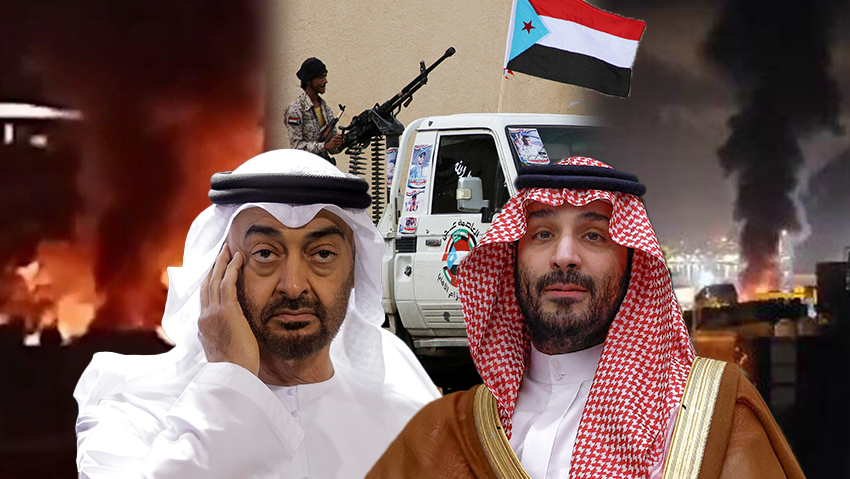
Saudi Crown Prince Mohammed bin Salman and UAE President Mohammed bin Zayed amid Saudi strikes in Yemen against Southern Transitional Council (STC) separatists
(Photo: Evelyn Hockstein/ AFP, AP, Fawaz Salman/ Reuters)
Saudi airstrikes targeted the southern port city of Mukalla, where Riyadh said the UAE had delivered arms to the Southern Transitional Council, or STC. The group had until recently been part of the coalition battling the Houthis during more than a decade of civil war, but over the past month launched a surprise offensive, seizing vast territories rich in oil resources that had been controlled by Saudi-backed government forces.
Saudi officials described Emirati support for the STC as crossing a “red line” and posing a direct threat to the kingdom’s national security. They said STC fighters had advanced as far as Yemen’s northeastern border with Saudi Arabia.
Riyadh demanded that Abu Dhabi comply with an ultimatum issued by Yemen’s pro-Saudi government, calling for the withdrawal of all Emirati forces from Yemen. The UAE denied that the shipment contained weapons, saying it consisted of vehicles intended for its own forces stationed in Yemen.
Hours later, however, the UAE’s Defense Ministry announced that it would withdraw its remaining forces from Yemen, effectively acceding to the Saudi demand.
The statement did not include a pledge to halt support for the separatists. STC leaders downplayed the significance of the Emirati withdrawal, describing the UAE military presence as largely symbolic and insisting they would not relinquish the territory they had seized.
So what is happening inside Yemen’s tangled civil war, what do the southern separatists want, and could the Gulf rift end up benefiting the Houthis, who are watching from the sidelines?
A war within a war
Yemen has been mired in civil war since 2014, when the Houthis, backed by Iran, exploited political chaos that followed the Arab Spring protests and seized large parts of northern and western Yemen, including the capital, Sanaa.
Saudi-led airstrikes on the port city of Mukalla, Yemen


The conflict has killed at least 150,000 people, soldiers and civilians, and created one of the world’s worst humanitarian crises.
The internationally recognized Yemeni government, supported by Saudi Arabia and a coalition of Arab states including the UAE, fled to the southern port city of Aden. In 2015, the Saudi-led coalition launched an air campaign against the Houthis that failed to defeat them and drew international criticism over civilian casualties.
The war also fueled regional tensions, including a 2019 drone and missile attack claimed by the Houthis that severely disrupted Saudi oil production.
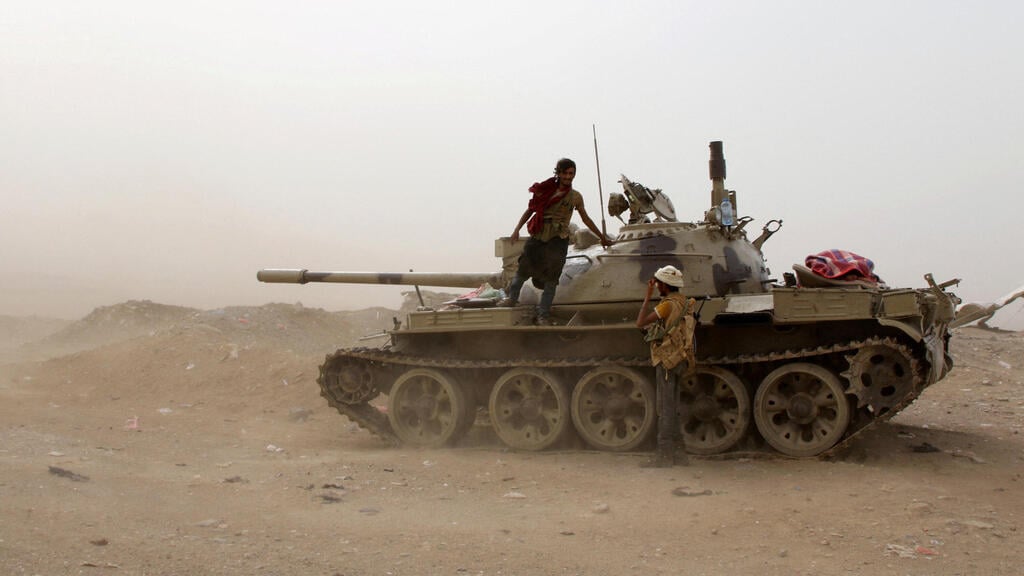
Southern Transitional Council (STC) separatist forces in the city of Aden, archive
(Photo: Fawaz Salman/ Reuters)
A United Nations-brokered ceasefire was reached in 2022, and Saudi Arabia has largely adhered to it, even as the Houthis launched repeated attacks on commercial shipping in the Red Sea following the war in Gaza.
In recent years, clashes between the Houthis and anti-Houthi forces in the south and east of Yemen have been limited. Until recently, there were even reports of a potential renewed ground offensive against the Houthis.
Now, as AFP has described it, a “war within a war” has erupted inside the anti-Houthi camp, one that could ultimately strengthen the Iran-aligned rebels.
Who are the southern separatists?
The Southern Transitional Council is a separatist faction that had been operating under the umbrella of forces loyal to Yemen’s Presidential Leadership Council, which heads the internationally recognized government. Its stated goal is the restoration of an independent South Yemen, reviving the state that existed from 1967 until unification in 1990.
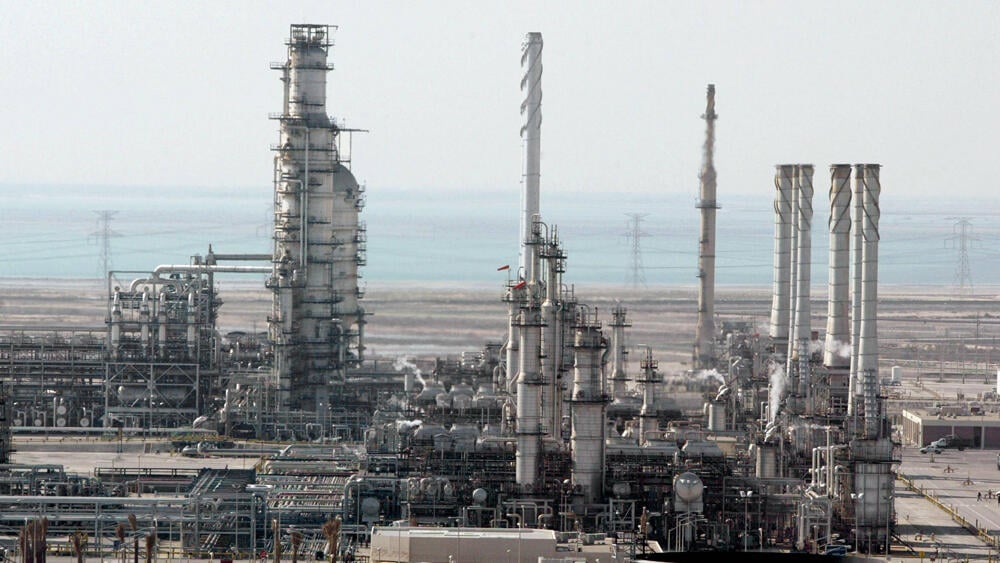
An oil facility in Saudi Arabia. The separatists seized Hadramawt province, which is also rich in oil resources
(Photo: AFP)
Earlier this month, STC forces launched a sweeping offensive, seizing most of Hadramawt province in eastern Yemen and large areas of the neighboring Mahra province. The campaign included the capture of military bases and key oil fields.
Saudi-backed forces in the area reportedly withdrew abruptly and with little resistance. Earlier, STC fighters also seized the presidential palace in Aden, forcing presidential guards to flee.
The STC has framed its actions as necessary to restore stability and combat the Houthis, al-Qaida and the Islamic State group. It claims Hadramawt has become a hub for Houthi smuggling operations and a haven for extremist groups.
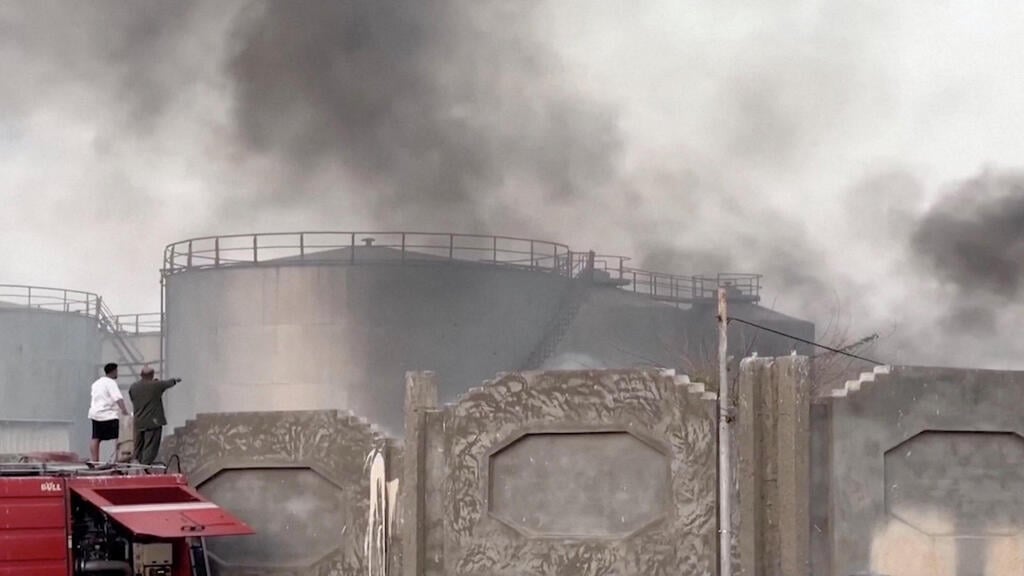
Damage from the Saudi strike in Mukalla
(Photo: Aden al-Mustakillah/ Reuters)
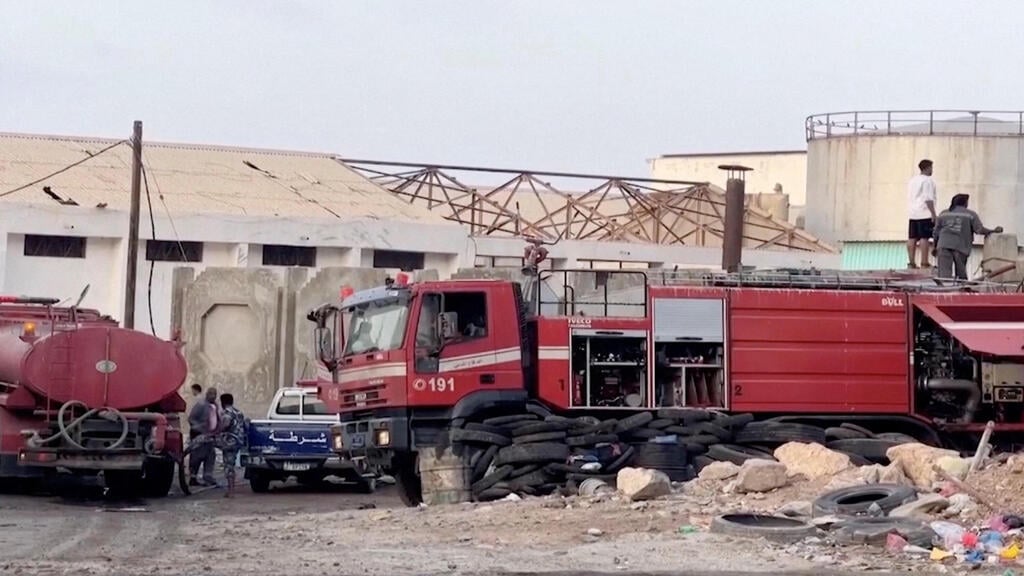
(Photo: Aden al-Mustakillah/ Reuters)
The seizure of Hadramawt, Yemen’s largest province, which accounts for roughly a third of the country’s territory, was seen as a major blow to Saudi Arabia. Beyond its oil wealth and relatively secure ports, the region has deep historical and economic ties to the kingdom. Families from Hadramawt have long played prominent roles in Saudi business.
“If I were Saudi Arabia, I would not sleep at night if I lost Hadramawt,” Farah al-Muslimi, a Yemen expert at Chatham House, told AFP.
Who controls Yemen now?
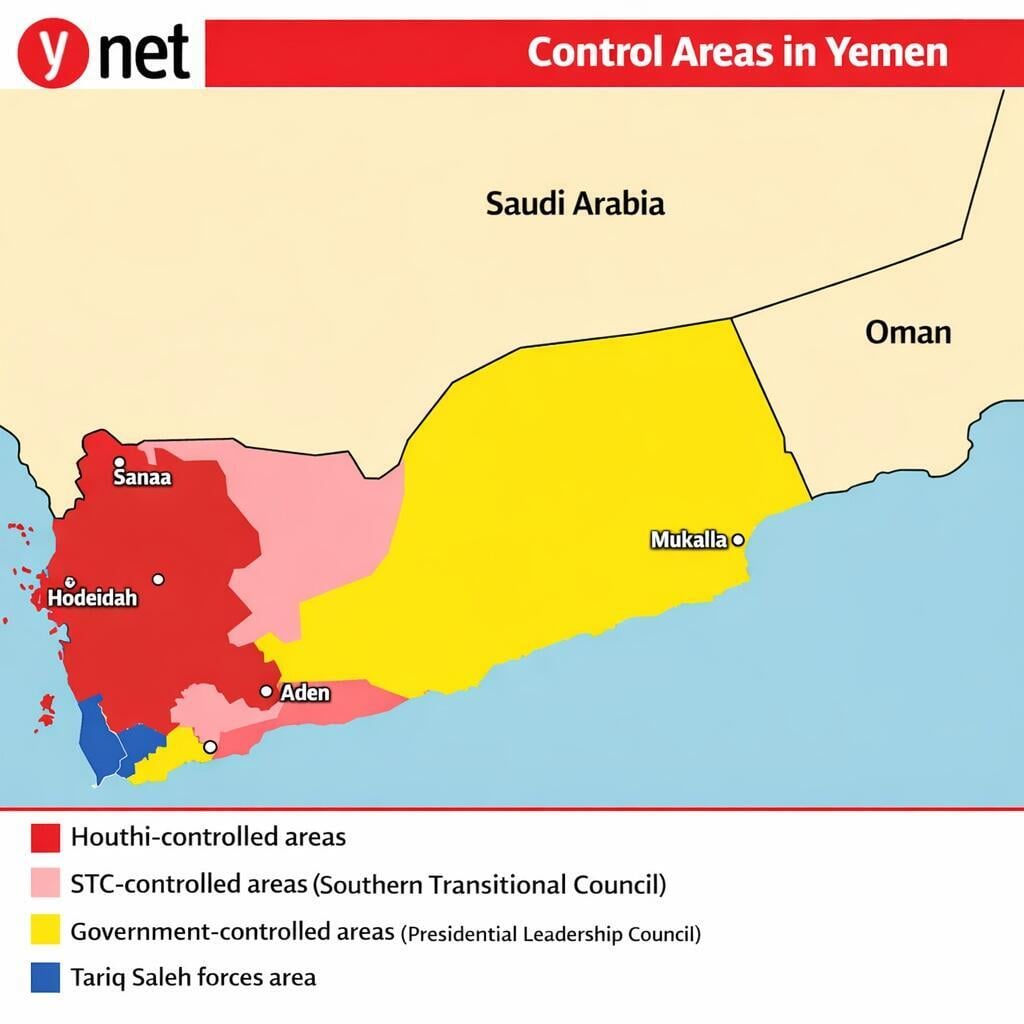
Following the STC’s recent advances, separatist forces now control most of the territory that once comprised South Yemen. An STC official told Reuters the group is now present in all southern provinces, including Aden, where Yemen’s government is based.
Al Jazeera reported that the STC controls about 52% of Yemen’s territory, compared with roughly 33% under Houthi control. The Yemeni government and the Presidential Leadership Council control about 10%, while forces led by anti-Houthi commander Tareq Saleh control around 5% along the western coast.
Saudi Arabia’s response
Reports last Friday indicated Saudi Arabia had already carried out strikes against STC positions, attacks it did not officially claim but which analysts viewed as a warning. The escalation peaked when Riyadh announced it had struck a shipment of weapons and military vehicles at the port of Mukalla that it said had been transferred from the UAE to the separatists.
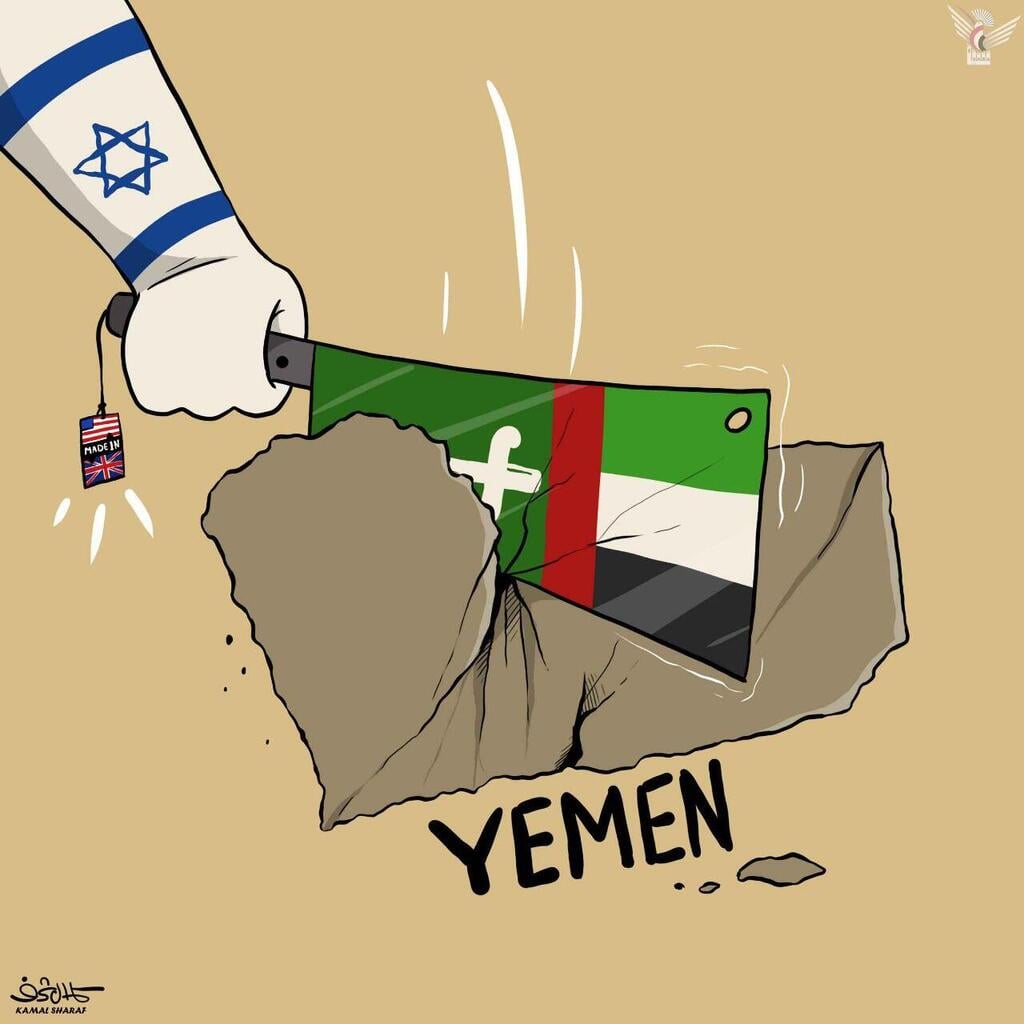
A cartoon by Houthi supporter Kamal Sharaf mocking the UAE and Saudi Arabia, depicting them as a blade tearing Yemen apart, wielded by Israel
Saudi Arabia vowed to prevent “any military support from any state to any Yemeni faction” without coordination with the legitimate government.
For the first time, Riyadh publicly accused Abu Dhabi of orchestrating the STC’s recent advances, saying the UAE had pressured the group to carry out military operations in Hadramawt and Mahra. Saudi officials described the actions as dangerous, warned they threatened national security and called them a red line.
Saudi Arabia also demanded that the UAE withdraw its forces from Yemen within 24 hours and halt all military and financial support to Yemeni factions.
AFP reported, citing a Yemeni military source, that 15,000 Saudi-backed troops have been positioned near the Saudi-Yemeni border, though no order to advance has been given.
Analysts note that airstrikes alone are unlikely to defeat the separatists. “Airstrikes can never make a major difference on the battlefield without ground fighting,” al-Muslimi said.
Did the UAE back down?
The UAE initially denied sending weapons to the STC, saying the shipment consisted of vehicles intended solely for Emirati forces stationed in Yemen. It expressed surprise at the Saudi strikes and urged restraint to avoid escalation.
Hours later, however, the UAE Defense Ministry announced the withdrawal of its remaining counterterrorism units from Yemen, citing a reassessment of the current phase and coordination with partners.
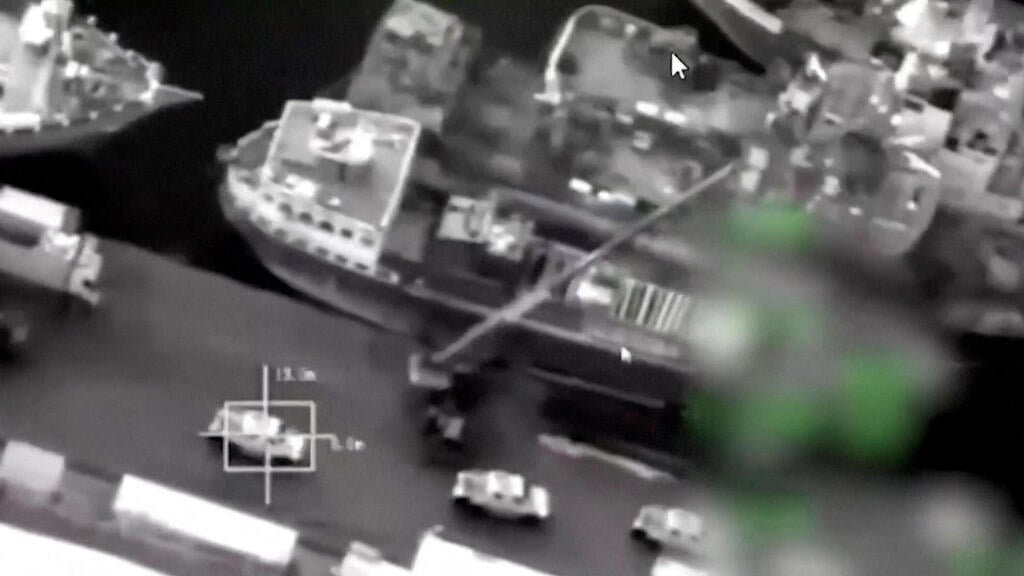
Footage released by Saudi Arabia showing a UAE vessel that Riyadh says delivered weapons to the STC at the port of Mukalla
(Photo: Saudi-led Coalition/ Reuters)
The statement emphasized that the UAE’s main military presence in Yemen ended in 2019 and that the remaining forces were limited in scope.
Notably, the UAE did not pledge to halt support for the STC. Separatist leaders dismissed the withdrawal as symbolic. STC spokesman Anwar al-Tamimi said the group would not withdraw from Hadramawt or Mahra and argued that the Emirati pullback merely removed excuses.
“This undermines the idea of the Arab coalition,” he told Qatar’s Al Araby channel.
Who benefits from the Gulf rift?
Saudi Arabia and the UAE have long been pillars of a Sunni Gulf alliance, united by opposition to Iran. Their cooperation in Yemen was central to the campaign against the Houthis.
The rupture over southern Yemen adds to a series of disputes between the two in recent years over economic and regional issues.
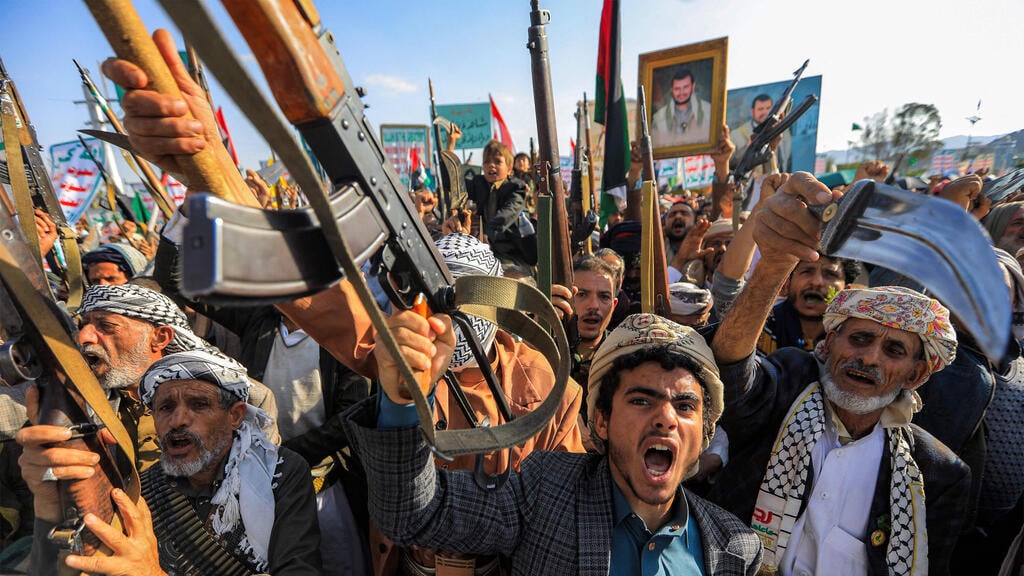
Yemen's Houthis
(Photo: Mohammed Huwais/ AFP)
The concern is that the infighting could ultimately benefit the Houthis, who are regrouping after two years of conflict with Israel, during which they launched missiles and drones toward Israeli cities and shipping routes.
While Houthi attacks have paused since the end of the Gaza war, the group continues military drills in preparation for future confrontations.
For now, the Houthis appear content to watch from the sidelines. They accuse Saudi Arabia and the UAE of dividing Yemen’s wealth and influence under American and British cover, while Yemen’s population faces collapse and hardship.
Pro-Houthi cartoonist Kamal Sharaf has published images mocking Riyadh and Abu Dhabi, portraying them as snakes devouring each other or as a blade tearing Yemen apart, allegedly wielded by Israel.
Whether the Gulf rift deepens or stabilizes may determine whether Yemen’s civil war enters an even more dangerous phase.