

Six people were wounded in Jerusalem on Sunday night, including one in moderate condition, as Iranian missile fire toward Israel continued, Magen David Adom said.
MDA spokesperson Zaki Heller said emergency teams were responding to at least one scene in the capital where six casualties were reported. Medical crews were providing treatment and scanning additional locations in the Jerusalem area for further injuries.
The crater that formed at the scene following the Iranian missile strike


The scene in Jerusalem
Gallery
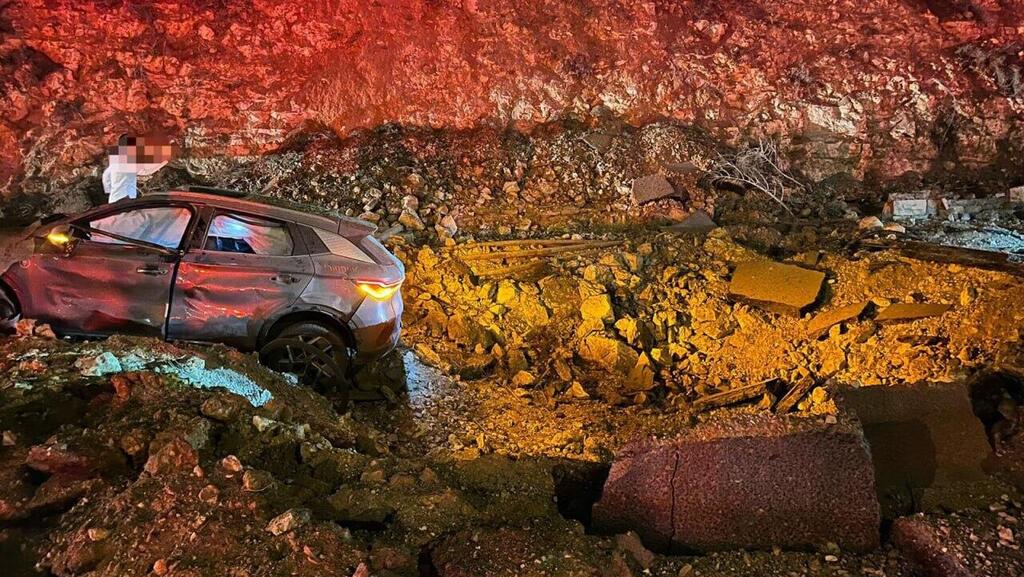
The crater that formed at the scene following the Iranian missile strike
(Photo: Magen David Adom)
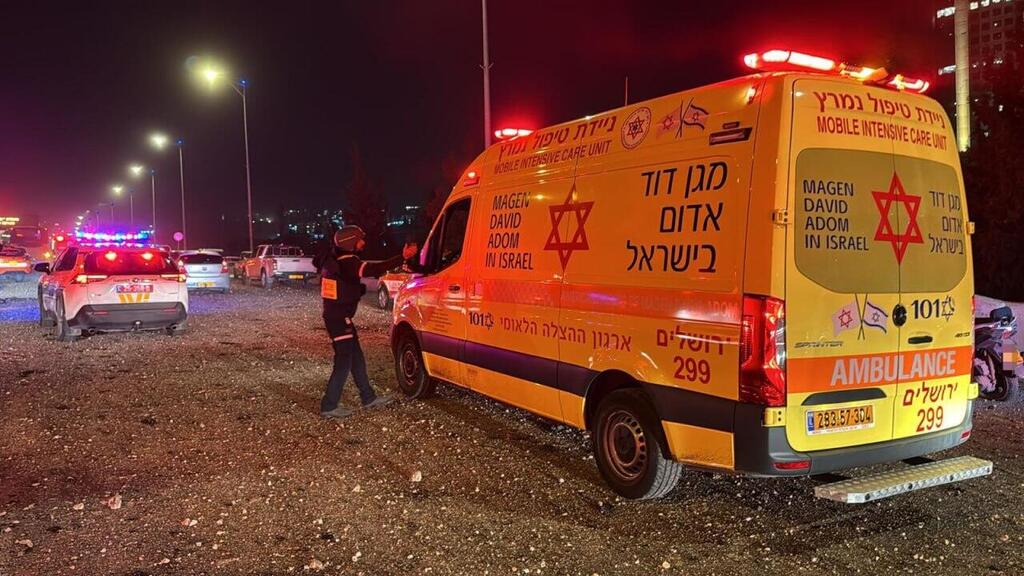
(Photo: Magen David Adom)
The latest barrage came as security officials continue investigating the failed interception of an Iranian ballistic missile that struck a residential shelter in Beit Shemesh earlier Sunday, killing nine people and wounding 51 in the deadliest single incident since the start of Operation Roaring Lion. Eleven people remain unaccounted for at the scene, police said, as search and rescue operations continue.

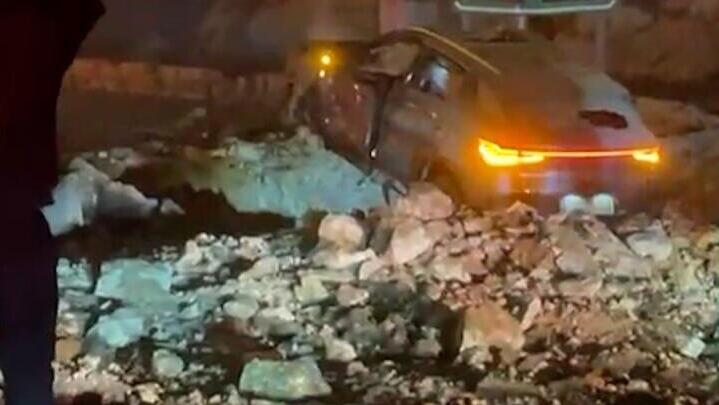
The scene in Jerusalem

Officials said the Arrow system, considered among the most effective in the world against ballistic threats, would likely have had a higher probability of interception. They denied any policy of limiting interceptor use, stressing that Iran has so far launched fewer than half the number of missiles fired during the opening days of the previous campaign.
“The air defense array has achieved very high interception rates, but the defense is not hermetic,” one official said. “A direct hit can penetrate. This underscores the need to address the surface-to-surface missile threat. It is a real existential threat.”
Defense officials said Israel is expanding its strikes against Iran’s missile industry and what they described as the regime’s repression mechanisms, including the Basij militia.
“This is not a one-day or two-day operation,” one official said. “It will take time.”
Since the start of the campaign, more than 2,000 munitions have been dropped in roughly 700 sorties, according to Israeli sources. The military says it achieved air superiority over parts of Iran within 24 hours and has intercepted more than 50 drones launched toward Israel.
Officials warned that additional difficult days may lie ahead as Iran retains significant launch capabilities, even after the elimination of much of its senior military leadership.