


Democrats on the House Judiciary Committee have opened an inquiry into allegations that convicted sex offender Jeffrey Epstein acted as an unregistered foreign agent for Israel and several other governments, including Saudi Arabia, Russia and Kuwait.
The move, led by Rep. Jamie Raskin, the committee’s ranking Democrat, came days after U.S. Vice President JD Vance said during an appearance on Joe Rogan’s podcast that Epstein had deep connections to senior figures in Israeli and American intelligence. In a letter to Attorney General Todd Blanche, Secretary of State Marco Rubio and Director of National Intelligence Jay Clayton, Raskin demanded all available records concerning Epstein’s contacts with foreign governments and called for a possible criminal investigation.

The letter cited documents released by congressional committees and the Justice Department that Raskin said raised questions about whether Epstein used his access to President Donald Trump and other senior figures to influence U.S. policy without registering under the Foreign Agents Registration Act. “Jeffrey Epstein never registered as a foreign agent,” Raskin wrote. “Yet numerous recently released documents show that he aggressively acted on behalf of multiple foreign governments, including several whose interests conflicted with those of the United States, in an effort to influence administration policy.”
The allegations have not been proven, and the inquiry does not establish that Epstein worked for any intelligence agency or foreign government. The documents cited by Raskin include correspondence involving former Israeli prime minister Ehud Barak. According to the material, Epstein advised Barak in 2013 ahead of meetings with Russian President Vladimir Putin, helped him prepare an opinion article about Syria for The New York Times and provided information about senior U.S. officials.
Ahead of Barak’s attempted political comeback in 2019, Epstein allegedly continued advising him behind the scenes and coordinated with former Trump adviser Steve Bannon. In one disclosed exchange, Bannon asked Epstein whether he could publicly announce that he was serving as Barak’s strategic adviser.
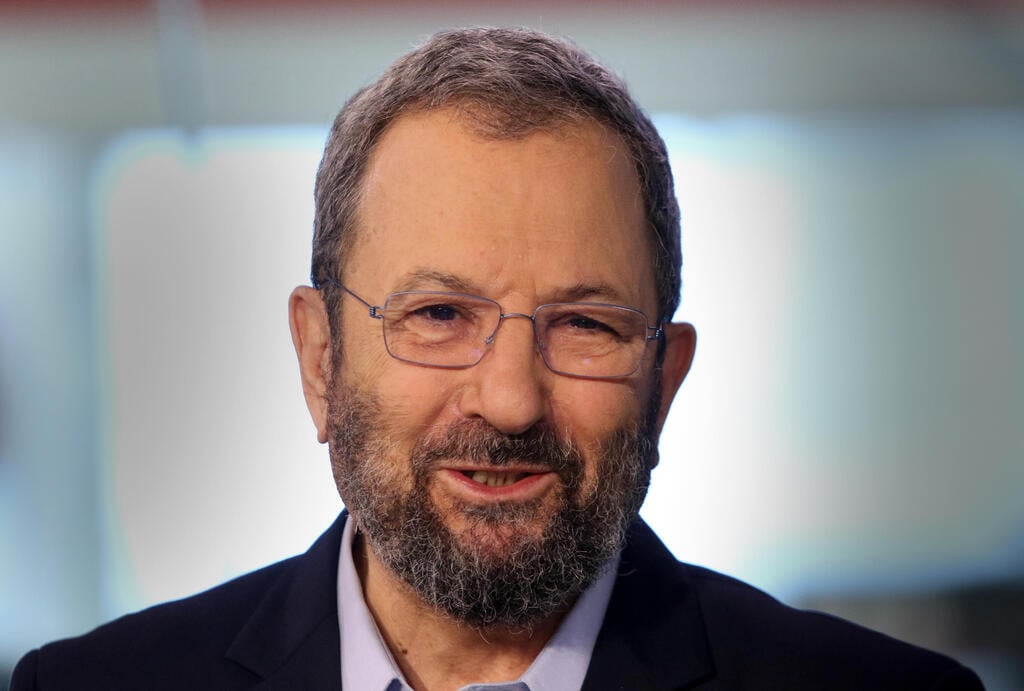
Former prime minister Ehud Barak
(Photo: Avi Moalem)
The documents also indicate that Epstein offered to serve as a “financial bodyguard” and “financial architect” for Saudi Crown Prince Mohammed bin Salman after the 2016 U.S. election. Raskin’s letter said Epstein advised Saudi, Russian and Kuwaiti officials on how to approach Trump. In one message, Epstein allegedly wrote that he was “happy to represent the interests of Saudi, period.”
He was also said to have discussed what concrete steps Kuwait’s emir wanted from Washington ahead of a Trump visit. Epstein separately claimed that he had advised Vitaly Churkin, then Russia’s ambassador to the United Nations, on how to understand Trump. “Churkin was great,” Epstein wrote in a 2018 message cited in the material. “He understood Trump after our conversations. It is not complex. He has to see something to understand it.”
Raskin described the contacts as a potential national security risk, arguing that Epstein had access to foreign governments at the highest levels while presenting himself as a longtime friend of Trump. He also cited claims that Epstein possessed information capable of damaging Trump, involving both his relationships with young women and alleged international money-laundering activity connected to a Russian oligarch and Florida real estate transactions. Those allegations remain unproven.
Raskin’s initiative followed Vance’s podcast remarks alleging connections between Epstein, the Mossad and the CIA. Vance also referred to Epstein’s relationship with Barak and what he described as left-leaning elements of Israel’s “deep state.” The vice president acknowledged that he had not found documents explicitly proving the allegations, but argued that such records would be unlikely to survive.
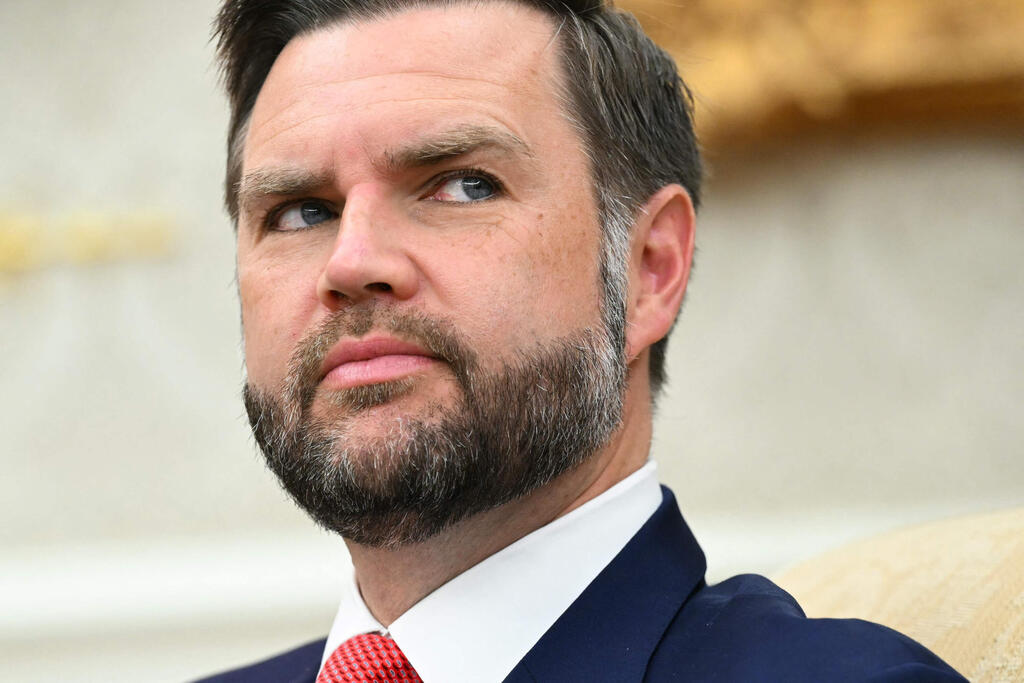
US Vice President JD Vance
(Photo: SAUL LOEB / AFP)
His comments prompted criticism from Jewish figures and conservatives who accused him of legitimizing conspiracy theories with antisemitic overtones. Rep. Randy Fine, a Jewish Republican from Florida, called the remarks “completely inappropriate and truly disgusting.” Conservative commentator Ben Shapiro also said he would not support Vance in a future Republican presidential primary and would instead favor Rubio.
Despite the announcement of an inquiry, Raskin’s ability to compel testimony or obtain documents is limited. As the committee’s ranking minority member rather than its chairman, he cannot independently issue subpoenas or force Cabinet officials and intelligence agencies to provide records without the Republican majority’s cooperation.
Minority-party congressional investigations therefore often function primarily as political and public-pressure campaigns rather than legally enforceable proceedings. The inquiry resembles earlier Republican-led examinations of Israeli organizations accused of receiving Biden administration funding to oppose Prime Minister Benjamin Netanyahu, which also became part of a broader partisan struggle in Washington.
Still, the inclusion of allegations once largely confined to political fringes in formal congressional correspondence illustrates how Epstein-related conspiracy claims have moved deeper into mainstream American political debate.