

Smoke was seen rising over Jerusalem on Friday after an Iranian missile barrage, with an impact reported just 350 meters from the Al-Aqsa Mosque and the Temple Mount, one of the most sensitive sites in the region.
Despite the proximity to the holy compound, Magen David Adom said no injuries had been reported at this stage.
Footage of the impact in Jerusalem


Iranian missile strike hits Jerusalem
“Police officers from the Jerusalem District, Border Police fighters and bomb disposal units are currently conducting searches to locate impact sites of munitions or interception fragments within the district,” police said in a statement.
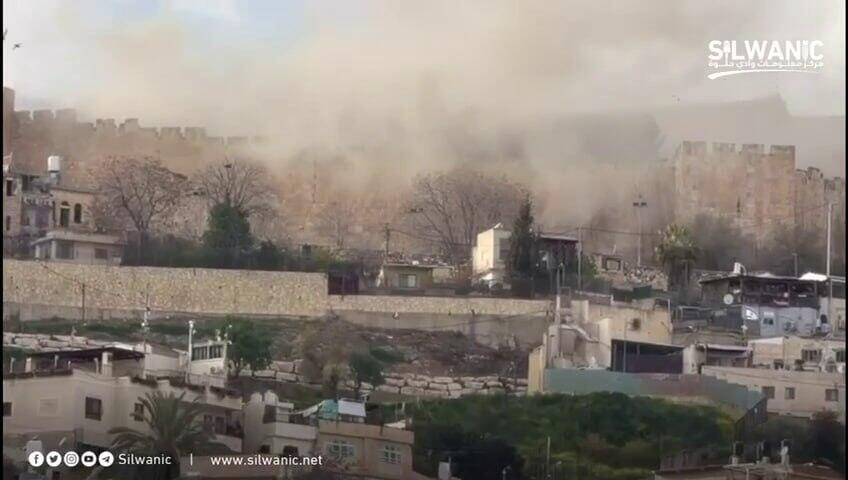
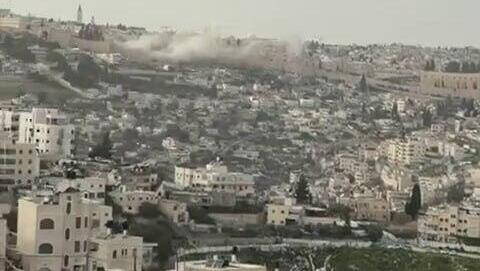
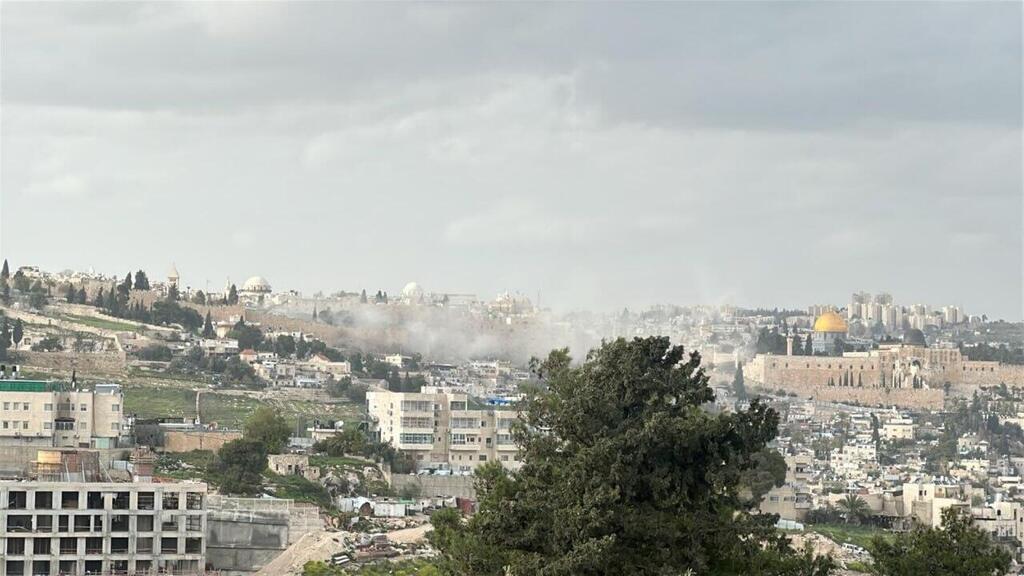
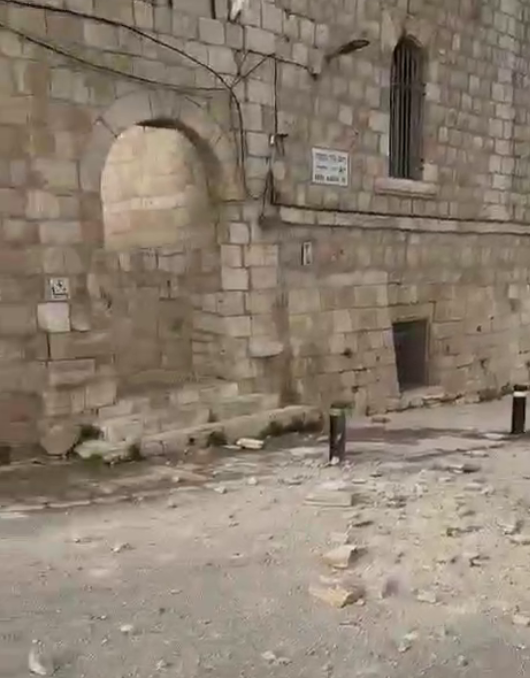
Jerusalem
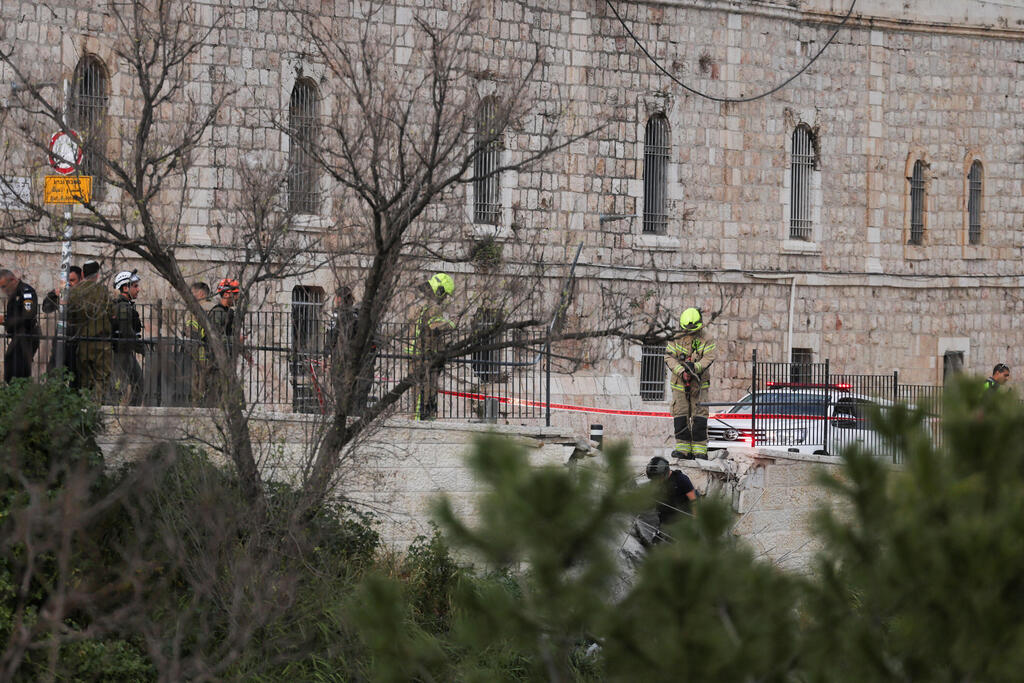
The scene in Jerusalem
(Photo: Reuters/Ammar Awad)
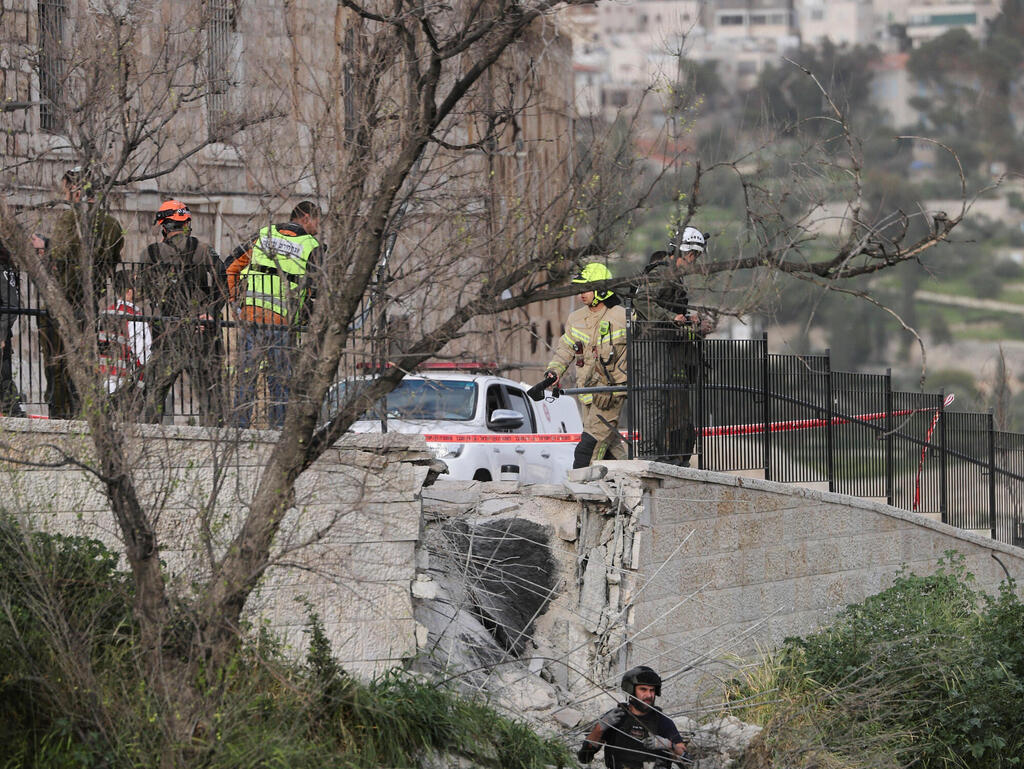
(Photo: Reuters/Ammar Awad)
Just hours before the strike near the Temple Mount, tensions were already high in Jerusalem after Israel kept the Al-Aqsa compound closed to worshippers during Eid al-Fitr, marking the first such closure for the holiday since 1967.
International media, including CNN and The Guardian, highlighted the unprecedented move, noting that tens of thousands of Muslim worshippers are typically allowed access to the site during the holiday marking the end of Ramadan.
The closure, imposed under Home Front Command restrictions banning large gatherings amid the war, drew criticism across the Arab and Muslim world, with officials calling it a violation of the longstanding status quo at the holy site.
Jerusalem earlier today
(Video: Reuters)
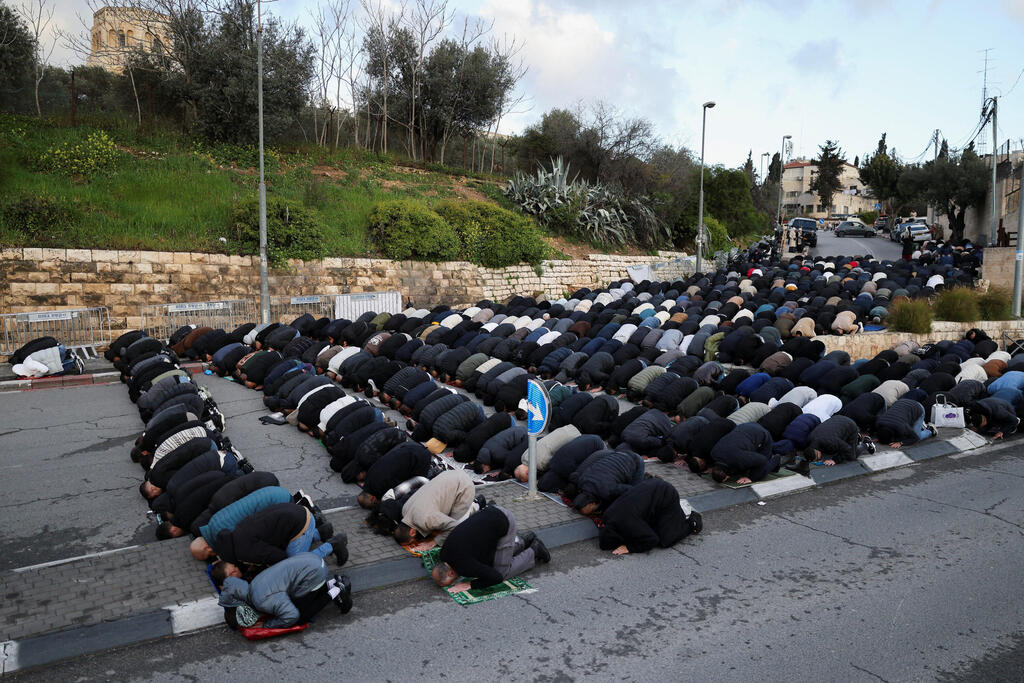
Muslims pray in Jerusalem after being barred from entering Al-Aqsa Mosque during Eid al-Fitr
(Photo: Reuters/Ammar Awad)
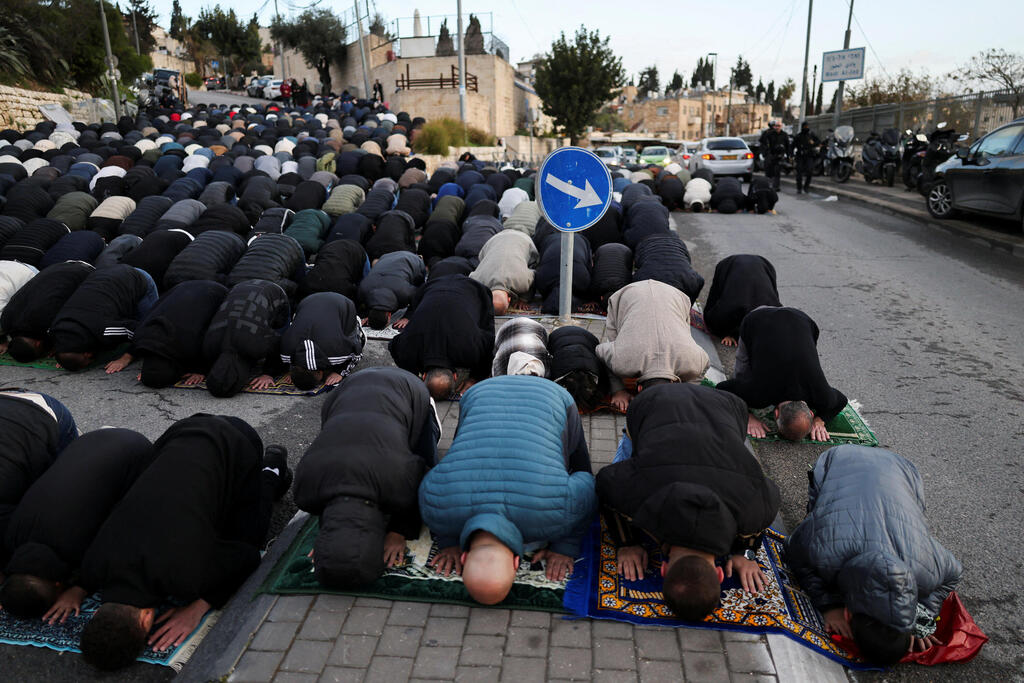
Muslims pray in Jerusalem after being barred from entering Al-Aqsa Mosque during Eid al-Fitr
(Photo: Reuters/Ammar Awad)
On Friday morning, worshippers gathered outside the Old City walls to pray, with some attempting to approach the Muslim Quarter. Clashes were reported as police pushed crowds back and used tear gas in at least two instances, according to AFP.
One Jerusalem resident told The Guardian it was “the saddest day” for Muslims in the city, warning the move could set “a dangerous precedent.”
Emergency services reported multiple impact sites, including in the city of Rehovot, where a home caught fire and several vehicles were damaged. A man and a woman were lightly injured, apparently from blast effects, and taken to Kaplan Medical Center. In a separate incident, a 70-year-old woman was moderately injured while making her way to a protected space.
Sirens sounded across wide swaths of the country throughout the day, including in the Galilee north of the Sea of Galilee, central Israel, Jerusalem, the Dan region, the Shfela, Lachish and parts of the Negev. Some of the missiles were believed to carry separating warheads, according to authorities.
Parallel launches toward northern Israel fell in open areas, consistent with official assessments.
The Israel Defense Forces said sirens were triggered in waves, with residents repeatedly instructed to enter protected spaces. The military also reported continued operations on multiple fronts, including strikes on Hezbollah infrastructure in southern Lebanon. According to the IDF, more than 2,000 targets have been hit since fighting there began, including command centers, weapons depots and missile launchers.
Amid the ongoing escalation, U.S. President Donald Trump weighed in with a sharply worded post on Truth Social, criticizing NATO allies.
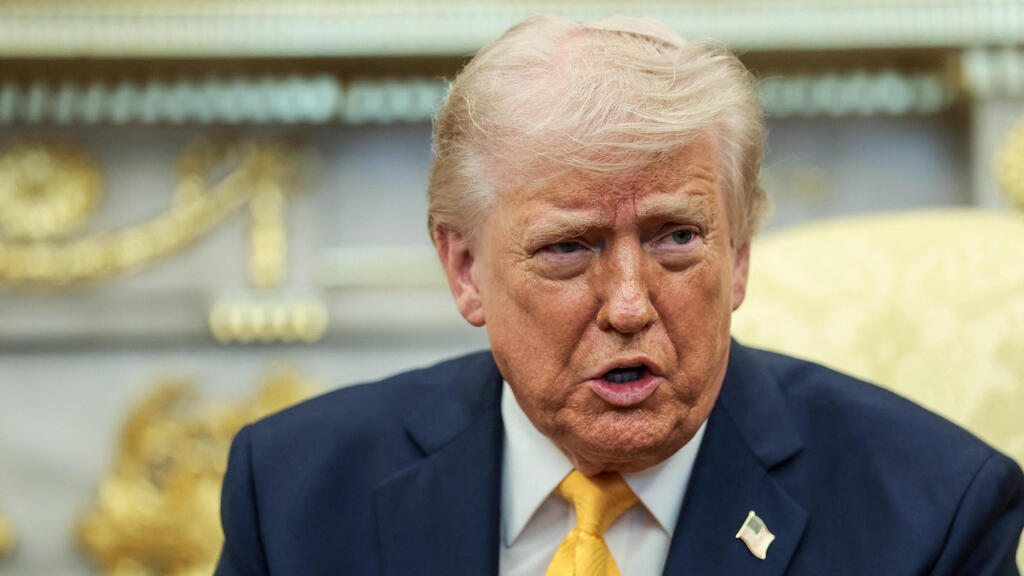
US President Donald Trump
(Photo: Reuters/Evelyn Hockstein)
“Without the U.S.A., NATO IS A PAPER TIGER!” Trump wrote. “They didn’t want to join the fight to stop a Nuclear Powered Iran. Now that fight is Militarily WON, with very little danger for them, they complain about the high oil prices they are forced to pay, but don’t want to help open the Strait of Hormuz… COWARDS, and we will REMEMBER!”
The remarks come as tensions extend beyond the battlefield, with global energy markets reacting to fears over the Strait of Hormuz, a critical shipping route for oil exports.
Despite the intensity of the latest barrages, authorities emphasized that early response systems and public compliance with safety instructions have helped limit casualties in several areas, including Jerusalem.