

Gulf Arab and European leaders believe a potential U.S.-Iran peace deal could take about six months to finalize and are urging that any current ceasefire be extended to cover that period, Bloomberg reported, citing officials familiar with the discussions.
According to the report, leaders are also pushing for the immediate reopening of the Strait of Hormuz, a key global shipping route, to restore energy flows. Officials warned privately that failure to reopen the waterway within the next month could trigger a global food crisis.
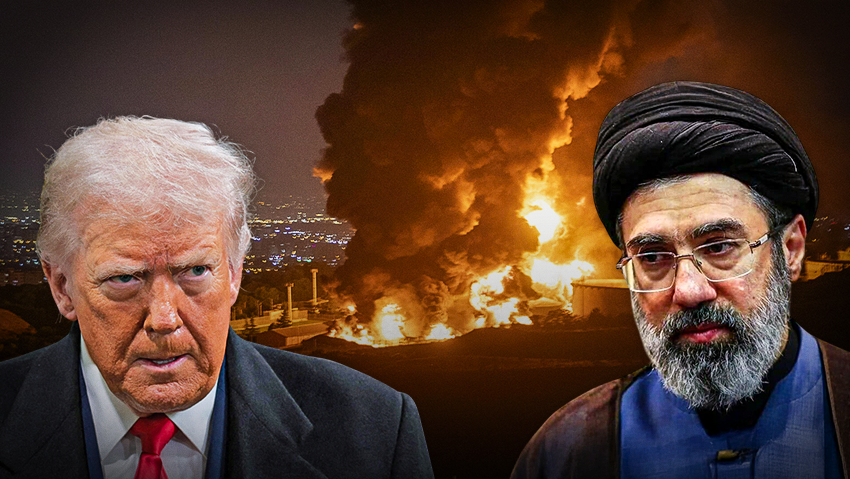
(Photo: Anna Moneymaker / AFP, Stringer / Getty Images)
Energy prices are expected to rise further if the conflict drags on, the officials said. Brent crude climbed about 3.5% to more than $98 a barrel on Thursday and remains up roughly 35% since the war began, despite easing somewhat after a ceasefire took hold around April 8.
The officials said Gulf states believe Iran is still seeking to develop a nuclear weapon, despite recent U.S. and Israel strikes, and argue that any future agreement must prohibit uranium enrichment and long-range ballistic missile capabilities.
At the same time, Gulf leaders are largely opposed to a return to fighting and are urging Washington to pursue diplomacy with Tehran, the report said.
Spokespeople for Saudi Arabia, Qatar, Kuwait, Oman and Bahrain did not immediately respond to requests for comment. The United Arab Emirates pointed to an earlier statement calling for the “unconditional reopening” of the Strait of Hormuz and a comprehensive approach addressing Iran’s nuclear program, missiles, drones and affiliated groups.