

Twenty months into the war between Israel and Hamas, Gaza’s battlefield has become a labyrinth of explosives, tunnel shafts and booby-trapped buildings. Among the most exposed to this deadly terrain are the combat engineers of Yahalom, the Israel Defense Forces’ elite engineering unit tasked with dismantling Hamas’ underground infrastructure.
Over recent weeks, multiple deadly incidents have followed a troubling pattern: buildings or shafts previously cleared of explosives later detonate with deadly force—often following a ceasefire. According to military officials and field veterans, these tactical pauses are being used by Hamas not for de-escalation but for tactical adaptation.
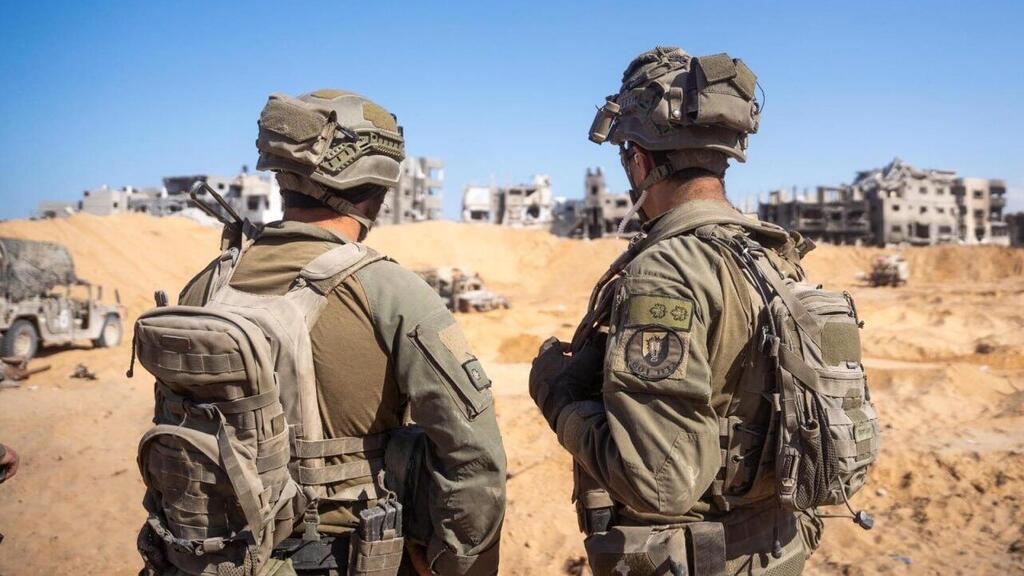
Since the war began in October 2023, more than 800 Israeli soldiers have been killed in action, a significant number of them during operations involving tunnel detection and urban clearance.
“They wait for us to leave—and then they rig the buildings,” said Sgt. Maj. Chaim Malespin, a Florida-born Israeli who has served in Yahalom for over two decades. After immigrating to Israel with his family out of what he describes as biblical conviction, Malespin joined the Combat Engineering Corps and eventually passed the unit’s elite selection. He has participated in every major Israeli campaign since the Second Lebanon War in 2006 and helped shape the army’s current tunnel-warfare doctrine.
“You return to an area you knew—maybe even used as a command post—and it’s now wired to explode,” Malespin said. “Ceasefires are not pauses for Hamas, they’re preparation time.”
On June 5, four Israeli soldiers were killed in central Gaza when a structure collapsed during a clearance mission. The IDF later confirmed that while initial explosives had been identified and neutralized, secondary charges had been hidden deeper inside the building, escaping early detection. The soldiers reentered the building—standard protocol in the search for tunnels or hostages—and were killed in the blast.
Lt. Col. (res.) Jonathan Conricus, former IDF spokesperson and now a senior fellow at the Foundation for Defense of Democracies, said the tactics reflect a broader evolution in Hamas’ strategy.
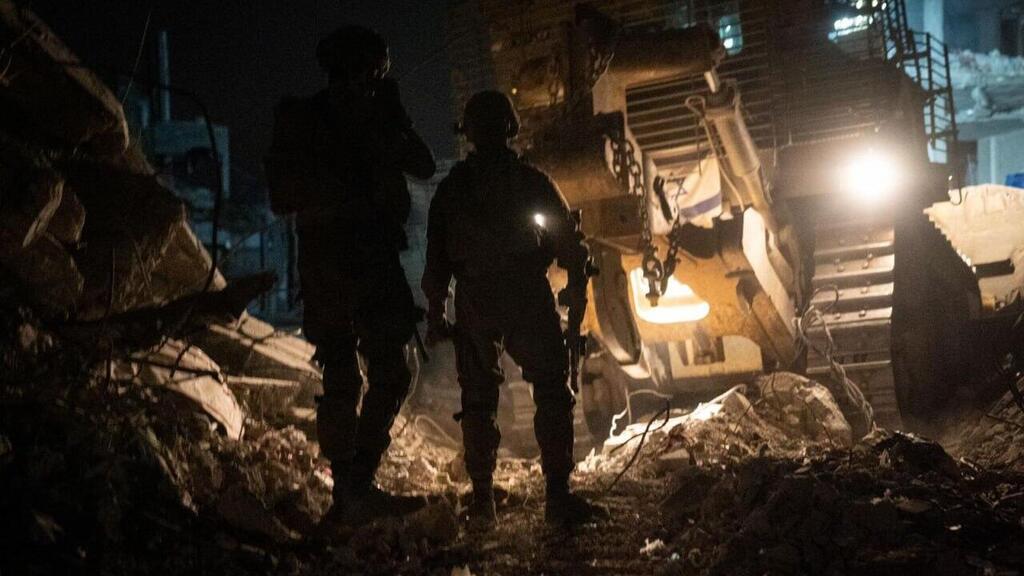
(Photo: IDF Spokesperson's Unit)
“Every fighting force takes advantage of a ceasefire to prepare for the next phase,” Conricus said. “They [Hamas] scavenged the Gaza Strip for unexploded ordnance, specifically air force ordnance, which they then collected and repurposed as IEDs against Israeli troops. Every war is a learning contest between the two warring sides. Each side has to adapt to what the other is doing and try to do new and surprising things the adversary hasn’t yet understood.”
Get the Ynetnews app on your smartphone: Google Play: https://bit.ly/4eJ37pE | Apple App Store: https://bit.ly/3ZL7iNv
He noted that the overwhelming majority of Israeli combat casualties in Gaza have resulted from buildings rigged to explode. “Troops go in searching for intelligence or hostages, and Hamas uses the moment to detonate large quantities of hidden explosives,” he said.
Yahalom stands at the heart of this asymmetric battleground. The elite engineering unit’s fighters—experts in explosive ordnance disposal, tunnel warfare, and advanced demolitions—are deployed ahead of other forces, sent into the most complex and hazardous environments.
“When we’re called in, it means someone else already decided this is too dangerous to handle,” Malespin said. “You hear it on the comms: ‘The professionals are here.’ And then we go in.”
The unit’s work ranges from disabling roadside bombs to identifying and destroying tunnel shafts—a task that requires not only technical knowledge but also psychological resilience. “The challenge is that tunnels aren’t just holes in the ground,” Malespin explained. “They could be traps, they could contain hostages, they could be rigged with gas, with explosives, or both. And if you treat them casually, it’s your last mistake.”
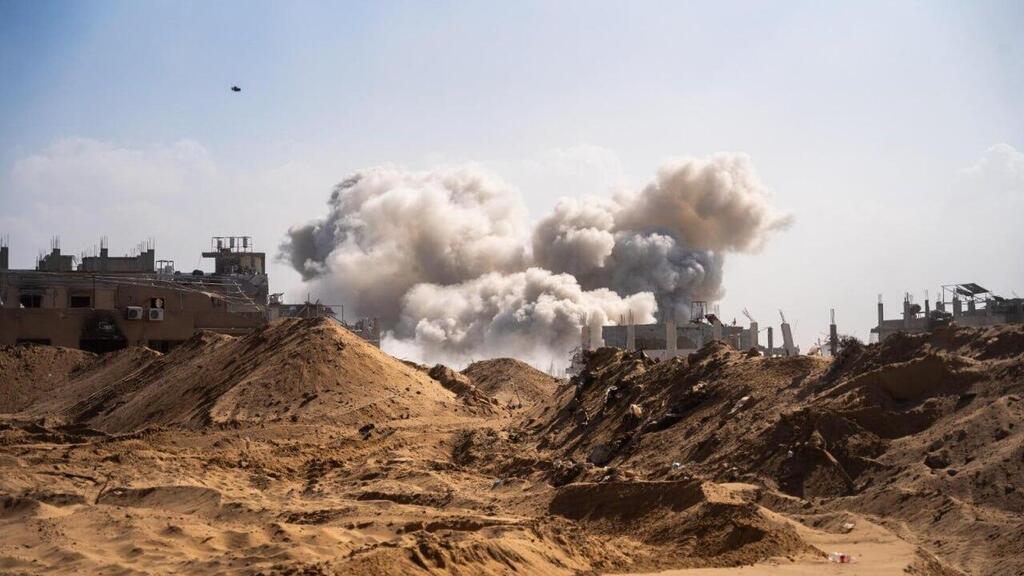
(Photo: IDF Spokesperson's Unit)
Both Malespin and Conricus agree that Hamas is increasingly exploiting Israel’s own ethical constraints, particularly the Israeli military’s efforts to avoid civilian casualties. “Israel has the capacity to flatten every suspicious structure from the air,” Conricus said. “But we don’t, because we’re searching for hostages and trying to minimize collateral damage. Hamas understands this and uses it to lure in troops.”
Malespin offered an example of how quickly the situation can shift. “We had a dog go in and give the all-clear. A few minutes later, we entered,” he said. They had used a hidden side entrance to replant explosives. One of our guys was blown four stories into the air. He couldn’t see for three days.”
Despite cutting-edge technology and years of experience, the nature of underground warfare remains unpredictable. “Even with robots, dogs, and radar, there are limits. Hamas understands the gaps, and they work within them,” Malespin said.
He also emphasized the unique nature of Israel’s military structure. “Unlike countries with professional standing armies, this is a citizen army,” he explained. “Most of us are reservists. We’re pulled from civilian life and sent back into it after each round. We don’t want to be in combat. But we know that if we don’t defend these areas, we won’t have homes to return to.”
Asked whether Hamas has begun deliberately targeting elite units such as Yahalom, Conricus said he doubts the group has the intelligence capability to track specific units. “I wouldn’t say they’re targeting Yahalom per se. What they are doing is targeting the kinds of missions Yahalom is assigned to—because those missions put them directly in contact with Hamas’ core infrastructure,” he said.
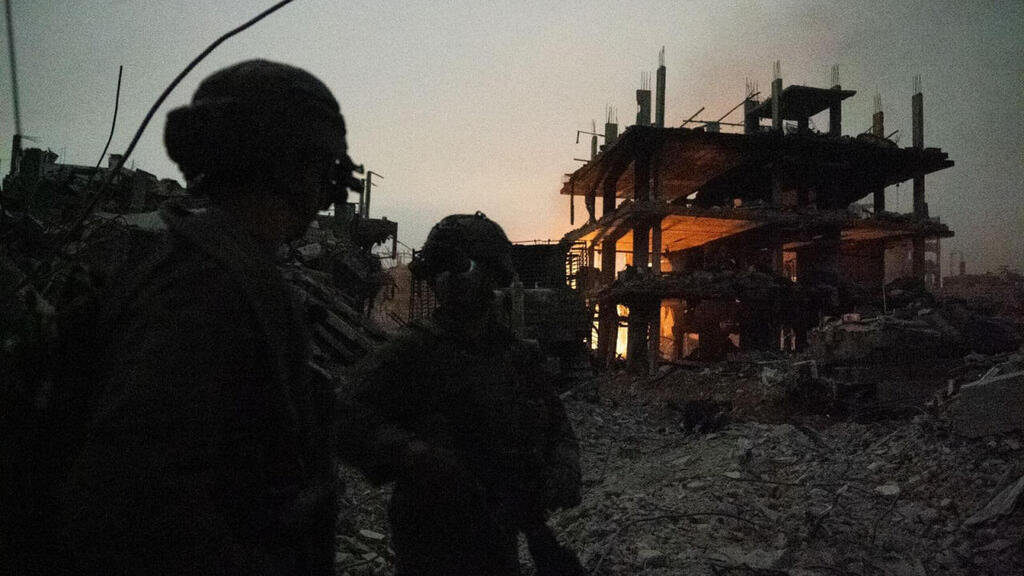
(Photo: IDF Spokesperson's Unit)
The Israeli military, Conricus added, is currently reassessing its tactical protocols in light of these deadly patterns. “There will likely be an increased use of standoff fire—artillery and airstrikes—and a reduced reliance on close-contact urban entry when avoidable,” he said. “But the work of these units will remain critical for as long as the hostages remain underground and Hamas continues to operate within civilian areas.”
Looking forward, Israel must prepare not only for battlefield victory, but for a viable postwar plan, Conricus said. “Hamas must not survive this war as a military or political entity,” he insisted. “Israel should initiate a phased transition, under its supervision, toward local Arab governance in Gaza. That process will require both strategic clarity and international coordination.”
For now, however, combat engineers continue to face the daily threat of invisible enemies—explosives buried under concrete, inside walls, or beneath staircases—waiting for the next soldier to step forward. “There’s no glamour in this,” said Malespin. “It’s calculated, methodical, dangerous work. And sometimes, despite everything, it’s not enough.”