

US President Donald Trump said overnight Thursday into Friday that he has spoken in recent days with Iran and intends to do so again, saying he delivered two clear messages to Tehran: no nuclear program and an end to the killing of protesters.
Speaking to reporters at the Kennedy Center during the premiere of a documentary film about his wife, Melania Trump, with the first lady standing beside him, Trump confirmed that he had been in contact with Iranian officials and planned additional talks. He said US military assets were currently positioned near Iran, adding that he hoped they would not need to be used.
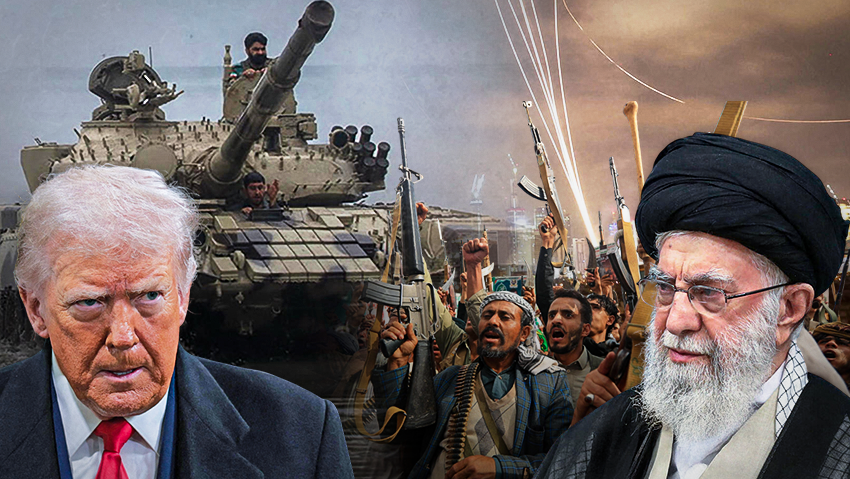
Trump confirms talks with Iran
(Video: The White House)


Trump accused Iranian authorities of killing protesters in large numbers and claimed he had intervened in recent weeks to halt hundreds of executions. He said Iran would ultimately have to change course, describing the situation as unprecedented in scale.
Only hours earlier, Trump held a cabinet meeting but did not address Iran publicly. The issue was raised instead by Defense Secretary Pete Hegseth, who said Iran still had the option of reaching an agreement. Hegseth stressed that Tehran must not pursue nuclear capabilities and said the United States was prepared to meet any expectations set by Trump if Iran failed to comply.
Trump’s options — and Iran’s response
On Thursday, Reuters reported that Trump was considering striking Iranian leaders in Tehran in an effort to encourage protesters to take to the streets. A separate report by The Washington Post said US officials familiar with intelligence assessments believe a new wave of protests in Iran could erupt. The Post also reported that additional US military assets, including ground-based air defense systems, were expected to be deployed to the Middle East.
Iran’s military, meanwhile, announced it had acquired 1,000 strategic drones capable of striking targets at sea, in the air and on land.
In another report, The Wall Street Journal said Trump had been briefed on several options developed jointly by the White House and the Pentagon. The primary option, described as the “big plan,” would involve large-scale airstrikes on regime targets and Revolutionary Guard facilities. Other, more limited options reportedly include symbolic strikes on Iranian regime sites, allowing room for escalation if Tehran refuses to curb its nuclear activity. Even smaller-scale measures discussed include cyberattacks on Iranian banks or tougher sanctions.
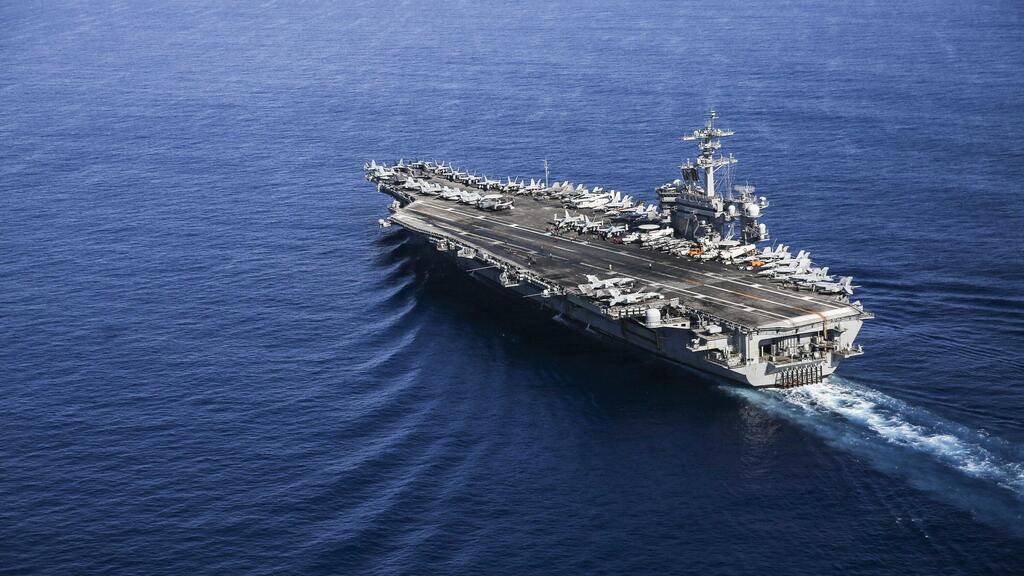
The aircraft carrier Abraham Lincoln in the Middle East
(Photo: US Navy)
At the same time, an Iranian military spokesman warned that any renewed miscalculation by what he called the enemy would be met with an immediate response. He said plans had been prepared for a potential attack and that lessons learned during what he referred to as the “12-day war” showed the need for a swift reaction. He warned that any conflict would extend across the region, from Israel to countries hosting US military bases.
CNN also examined Iran’s remaining response options in the event of an American strike following the “12-day war.” Experts told the network that Iran could attack US and Israeli targets in the region, mobilize allied forces and militias, or carry out economic retaliation with global consequences. Farzin Nadimi, a senior fellow at the Washington Institute specializing in Iran’s security and defense affairs, said the regime retained broad capabilities and could deploy all of them if it viewed the situation as an existential war.
First published: 03:53, 01.30.26