


The Israeli Air Force received its first Boeing KC-46 Pegasus refueling and transport aircraft Wednesday, a new platform the military says will significantly expand its ability to operate at long range.
The aircraft, known in Israel as “Gideon,” landed at Nevatim Air Base after arriving from the United States. It is the first of six KC-46 aircraft purchased for the Israeli Air Force, with an option to expand the fleet to eight.
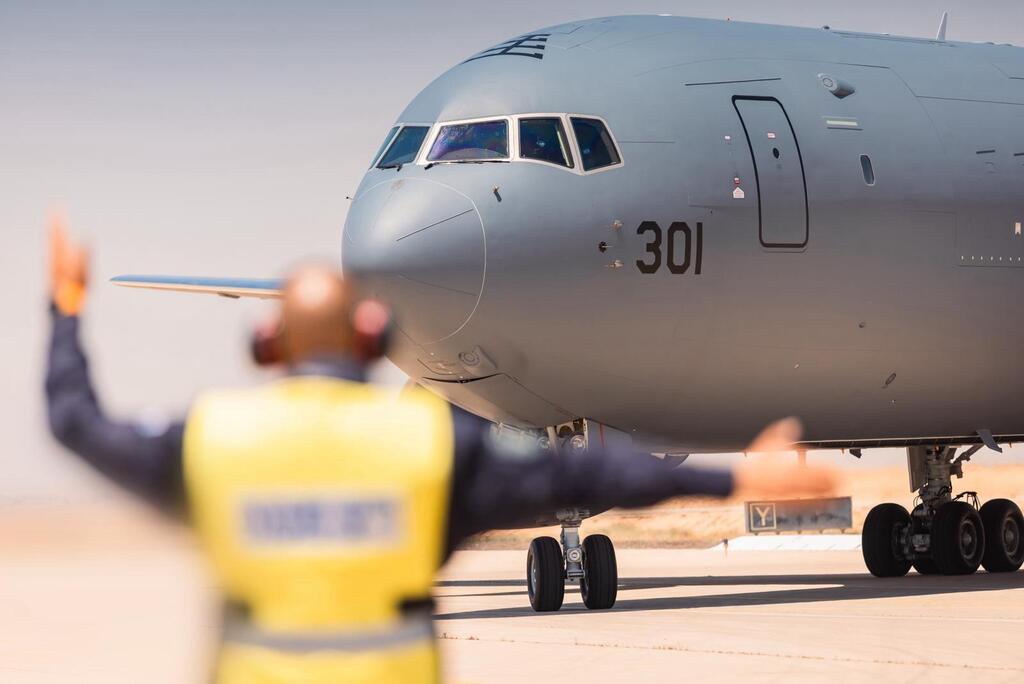
The KC-46 can carry about 90.7 tons of fuel, about 15% more than Israel’s current refueling fleet. Because it uses less fuel itself, the military says it can carry out up to 50% more refueling operations than the older “Re’em” aircraft now in service.
The aircraft also can carry more than 30 tons of cargo and transport soldiers, equipment and passengers while conducting refueling missions. It also has medical evacuation capabilities.
Lt. Col. A., commander of the new refueling squadron established to operate the aircraft, said the KC-46 would increase the air force’s capabilities in both nearby and distant arenas.
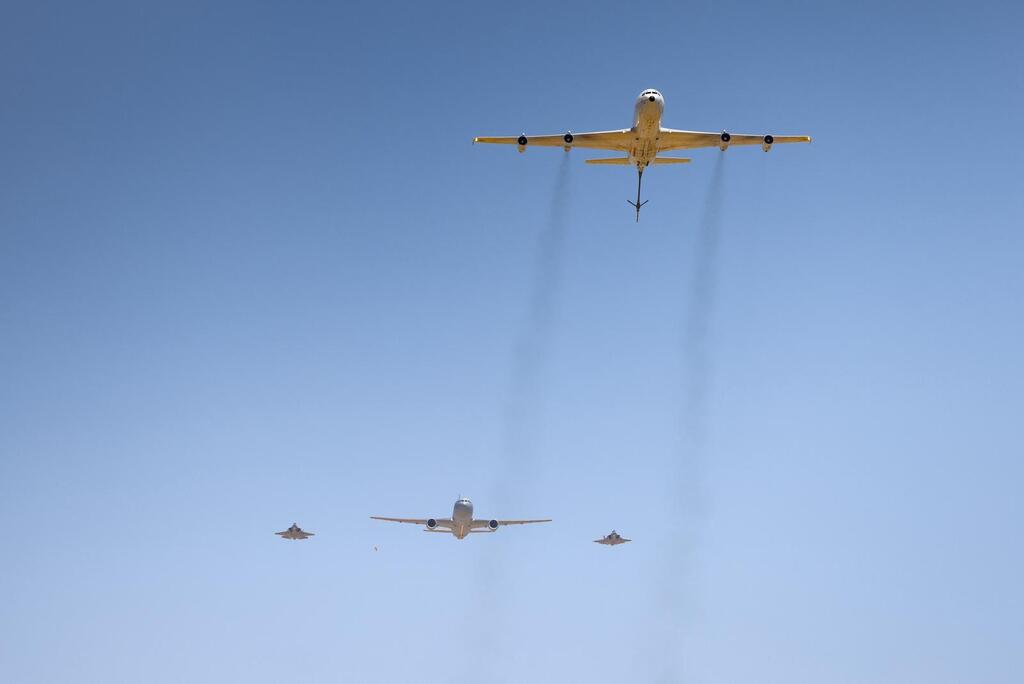
(Photo: IDF)
“This aircraft can receive fuel in the air and can reach anywhere in the world,” he said. “Even without receiving fuel, it can reach anywhere in the world. The world is small for this type of aircraft.”
He said another KC-46 is expected to arrive next month, with two more due by the end of the year. Five additional aircraft are currently planned, and discussions are continuing over a possible expansion beyond eight aircraft.
The aircraft that arrived Wednesday is already operational, though Israeli classified systems still need to be installed, the officer said.
The air force said the KC-46 will extend the time fighter jets can remain airborne over ranges of thousands of kilometers, allow more aircraft to be refueled at a faster pace and improve Israel’s ability to maintain continuous strikes and deterrence in distant theaters.
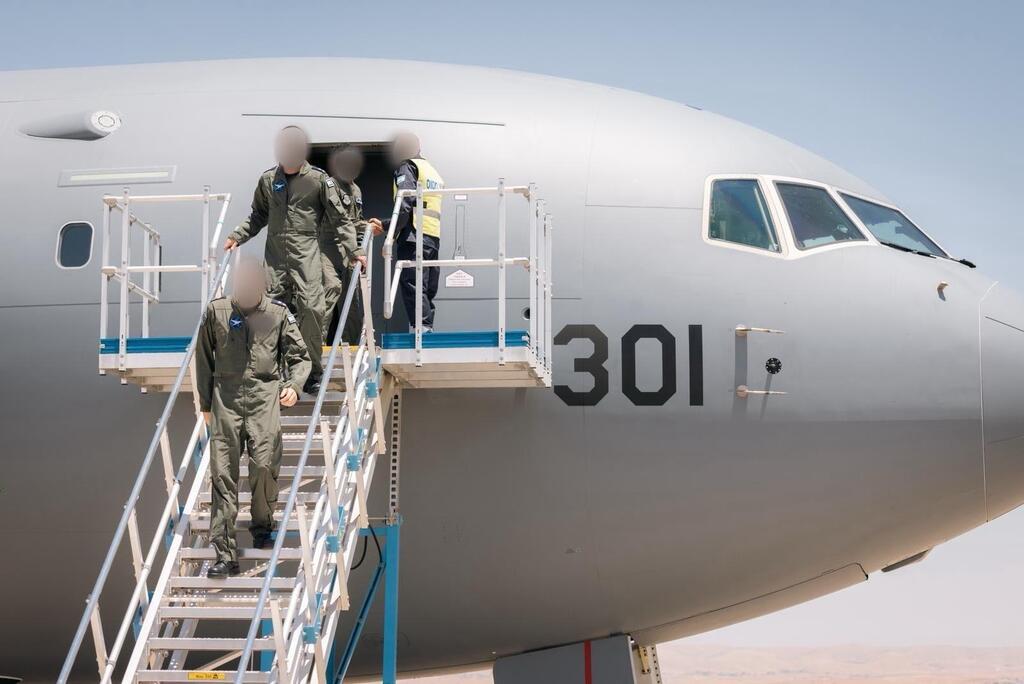
(Photo: IDF)
The KC-46s are expected to gradually replace the aging Re’em refueling aircraft, though the older planes will remain in use in the medium term.
The air force had recommended expanding Israel’s refueling fleet before the recent direct confrontations with Iran, but the decision gained urgency over the past two years as Israel’s conflict with Tehran moved from years of covert activity to open military exchanges.