

After U.S. President Donald Trump announced overnight a two-week ceasefire — along with negotiations based on a 10-point Iranian plan he described as a possible framework for talks — supporters of Iran’s regime took to the streets in Tehran and across the country, staging rallies backing Supreme Leader Mojtaba Khamenei.
“In our country, what the leader says is what matters,” one woman said. “If he decides a ceasefire is right, there will be one. If not, we are ready to stay in the streets and fight forever.”
Celebrations in Iran and flag burnings after the ceasefire announcement
(Video: Reuters)


Talks are expected to begin as early as Friday in Islamabad, Pakistan’s capital, which has mediated between the sides. Trump stressed the ceasefire depends on the “full, immediate and safe reopening” of the Strait of Hormuz.
“Everyone loves peace and calm, but unfortunately we cannot trust the one speaking to us, because he has done the same thing in several countries,” one Iranian citizen said, echoing criticism voiced by many toward the U.S. president.
Gallery
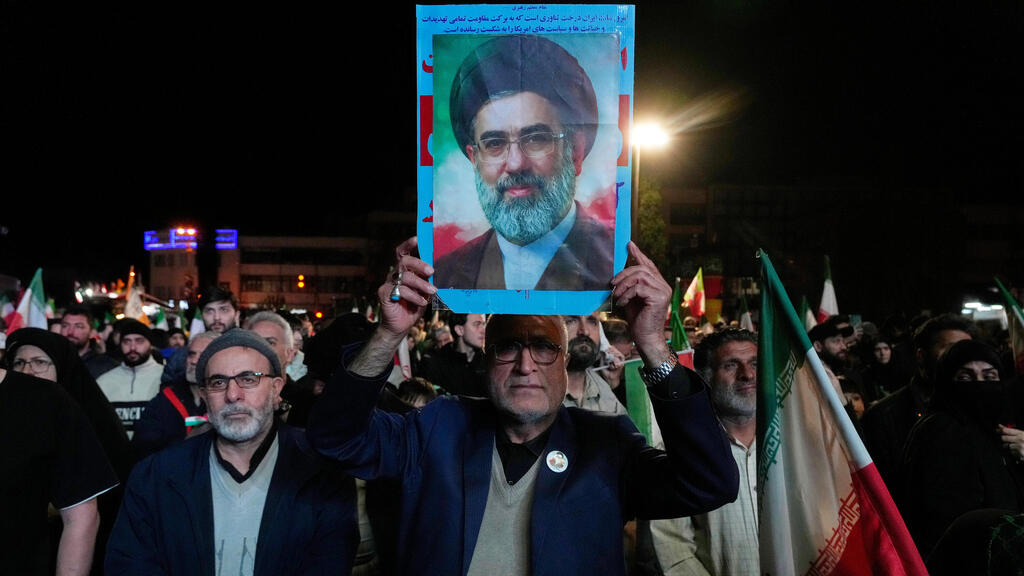
Crowds celebrating in the streets with a portrait of Mojtaba Khamenei
(Photo: Vahid Salemi/AP)
In Tehran, some dismissed Trump’s threats as empty. “America’s ‘paper tiger’ has been exposed to the world,” demonstrators said. Another added: “We are here to tell America we are not ready to compromise. A person can make the same mistake only once.”
Some expressed concern that the ceasefire may be temporary, pointing to past conflicts in which pauses were used to regroup and rearm. They cited previous rounds of fighting in which ceasefires were followed by renewed, intensified attacks.
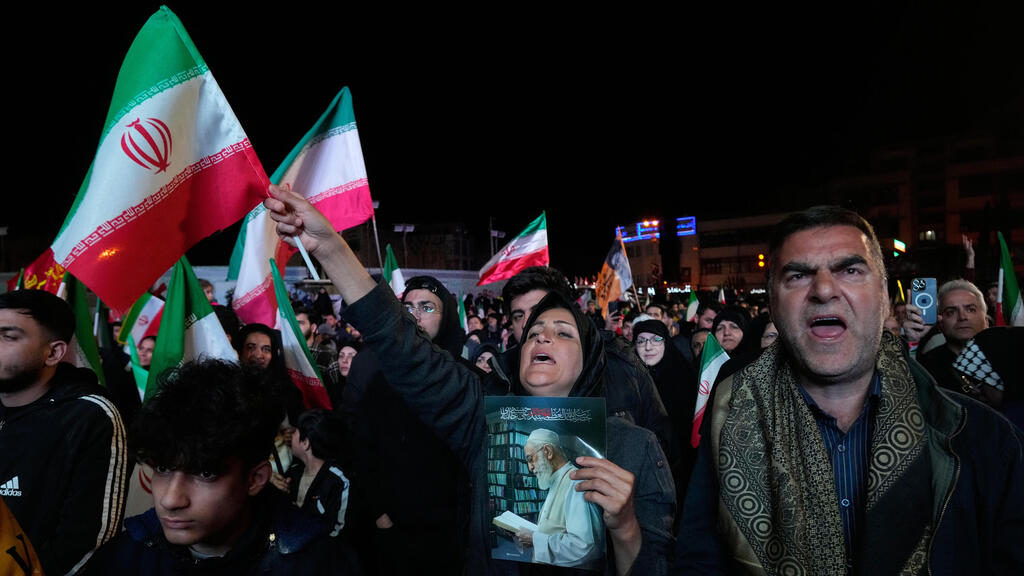
Supporters of Iran’s regime following the ceasefire announcement
(Photo: Vahid Salemi/AP)
Despite the celebrations, many Iranians had feared Trump’s threats before the announcement. According to the Associated Press, some used limited internet access to contact relatives abroad and say goodbye.
The BBC reported mixed reactions. Some Iranians had braced for heavy strikes on infrastructure and were relieved they did not materialize. Others, however, were disappointed that the threats were not carried out, after stocking up on food, water and supplies in anticipation of possible power outages.
Some described a sense of relief at the decision not to strike power stations, while others warned that with the ceasefire in place, they now face a wounded and angry regime alongside a collapsing economy, without any meaningful change.
First published: 11:00, 04.08.26