

President Donald Trump said early Wednesday that he would suspend U.S. bombing of Iran for two weeks after appeals from Pakistani Prime Minister Shehbaz Sharif and Field Marshal Asim Munir, conditioning the pause on Iran’s “complete, immediate, and safe” reopening of the Strait of Hormuz.
In a post on Truth Social, Trump said the halt in attacks would amount to a “double sided ceasefire” and asserted that U.S. forces had already “met and exceeded all Military objectives.” He also said Washington had received a 10-point proposal from Iran that he described as a workable basis for negotiations over a longer-term peace agreement.
Gallery
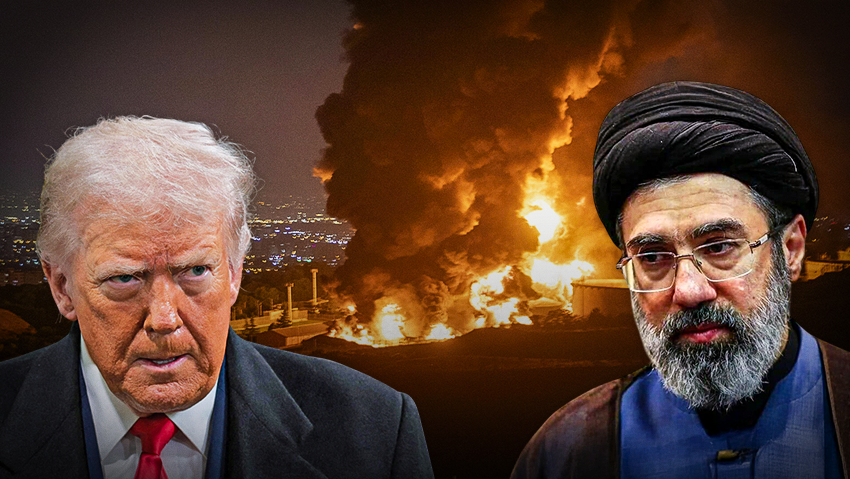
US President Donald Trump, Iranian Supreme Leader Mojtaba Khamenei
(Photo: Anna Moneymaker / AFP, Stringer / Getty Images)
Sharif said in a post on X that Iran, the United States and their allies had agreed to an immediate ceasefire across all fronts, including Lebanon, and said he had invited delegations from both sides to Islamabad on Friday, April 10, for further negotiations aimed at reaching a "conclusive agreement to settle all disputes." He praised the parties for what he described as their “wisdom and understanding” and said he hoped the proposed “Islamabad Talks” would help secure lasting peace.
Trump told Agence France-Presse that “the Iranian uranium issue will be fully dealt with” and described the agreement with Iran as a “total and complete victory” for the United States. He also said he believed China had pushed Iran to enter negotiations.
A senior White House official told CNN that Israel has also agreed to the ceasefire and would suspend its bombing campaign while negotiations continue.
Senior security sources familiar with the details told ynet that the truce would also apply to Lebanon, meaning both Israel and Hezbollah would halt fire once Iran reopens the Strait of Hormuz.
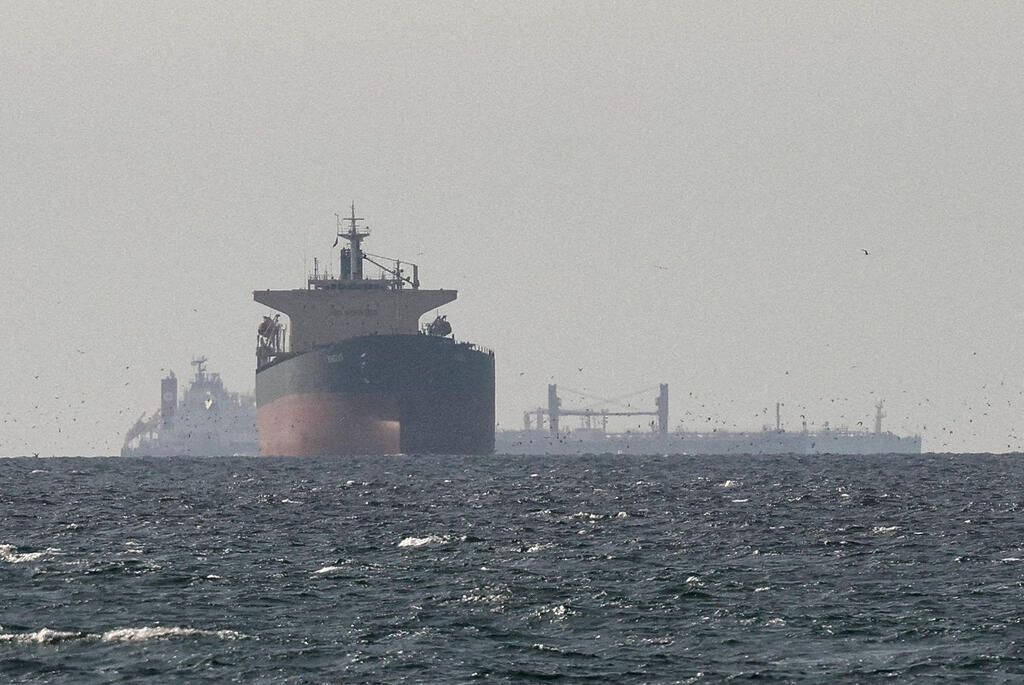
The Strait of Hormuz
(Photo: REUTERS/Stringer/File)
Prime Minister Benjamin Netanyahu's office later denied that the ceasefire would include Lebanon. In a statement sent to reporters in English, the office said Israel supports Trump’s decision to suspend attacks on Iran for two weeks, provided that Iran immediately reopens the shipping straits and halts all attacks on the United States, Israel and countries in the region.
The statement also said Israel supports U.S. efforts to ensure that Iran no longer poses a nuclear, missile or terror threat to the United States, Israel, Iran’s Arab neighbors or the wider world, and said Washington had informed Israel it remains committed to achieving those goals in the upcoming talks.
The New York Times reported, citing two U.S. officials, that Trump spoke by phone with Netanyahu after midnight Israel time, shortly before announcing the two-week ceasefire.
A senior political official said the United States coordinated the temporary ceasefire with Israel in advance. According to the official, the arrangement requires Iran to reopen the Strait of Hormuz without first securing any of its key demands, including a commitment to a permanent end to the war, compensation or relief from heavy sanctions.
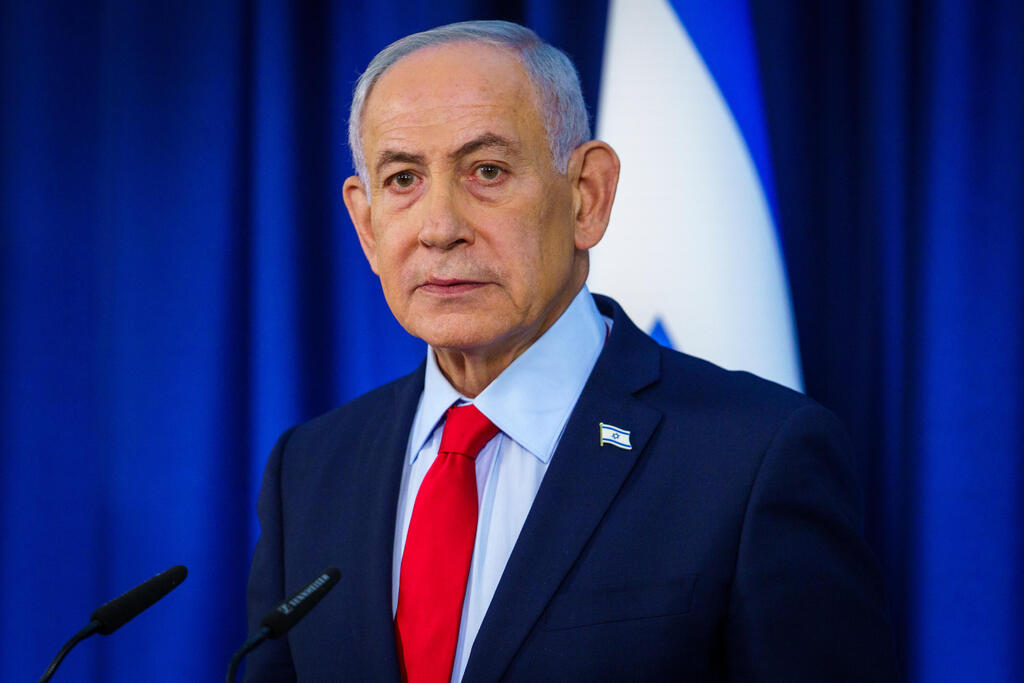
Prime Minister Benjamin Netanyahu
(Photo: Shalev Shalom)
The official said senior Trump administration officials told Israel that in the negotiations expected over the next two weeks, Washington would insist on the removal of Iran’s nuclear material, an end to uranium enrichment and the elimination of the ballistic missile threat, among other issues.
The same official said Iran had retreated from its demands and agreed to reopen the strait under the pressure of sustained attacks on regime infrastructure since the start of the war, especially in recent days
Meanwhile, Iran has continued firing consecutive ballistic missile barrages at Israel following Trump's announcement. About two hours after Trump announced the ceasefire agreement, Iranian state TV reported that Supreme Leader Mojtaba Khamenei ordered all military units to stop launching missiles at Israel and other countries in the region.
“This is not the end of the war, but all branches of the military must act in accordance with the supreme leader’s order and halt the fire,” the announcement said.
Supporters of Iran’s government took to the streets across the country to celebrate the ceasefire, waving portraits of the supreme leader and burning Israeli flags.
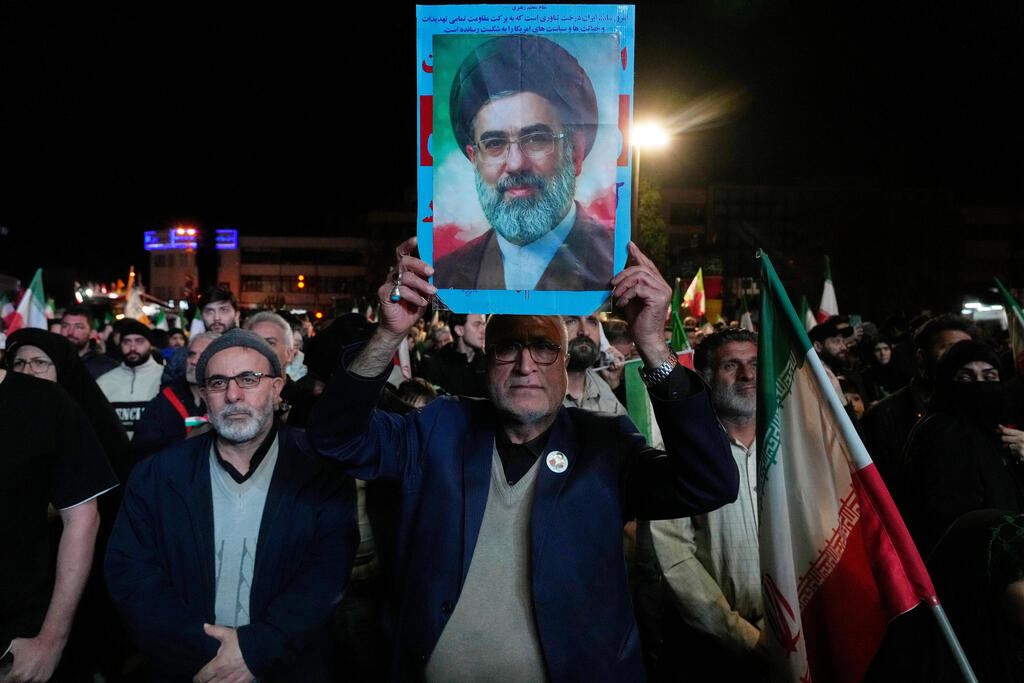
Supporters of Iran’s government took to the streets across the country to celebrate Trump's ceasefire announcement
(Photo: Vahid Salemi/AP)
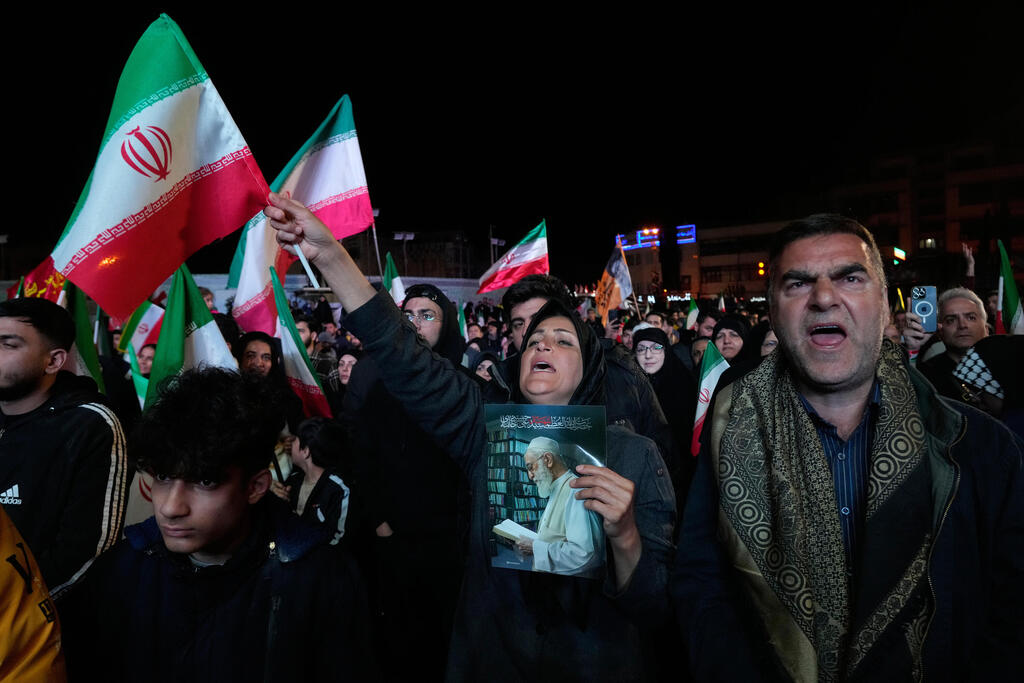
(Photo: Vahid Salemi/AP)
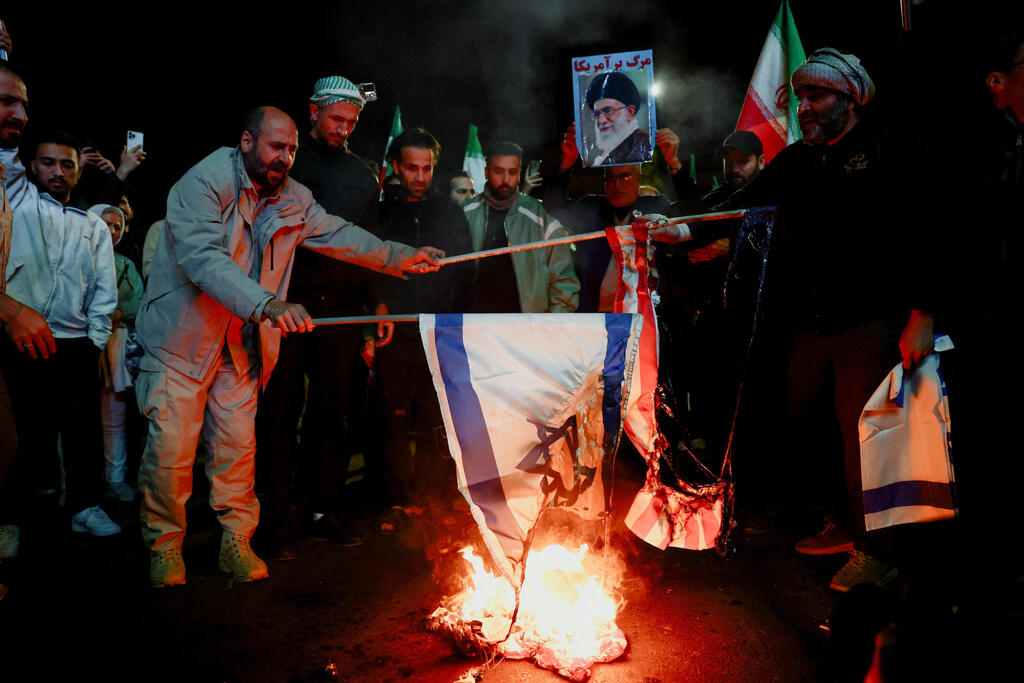
(Photo: Majid Asgaripour/WANA (West Asia News Agency)/Reuters)
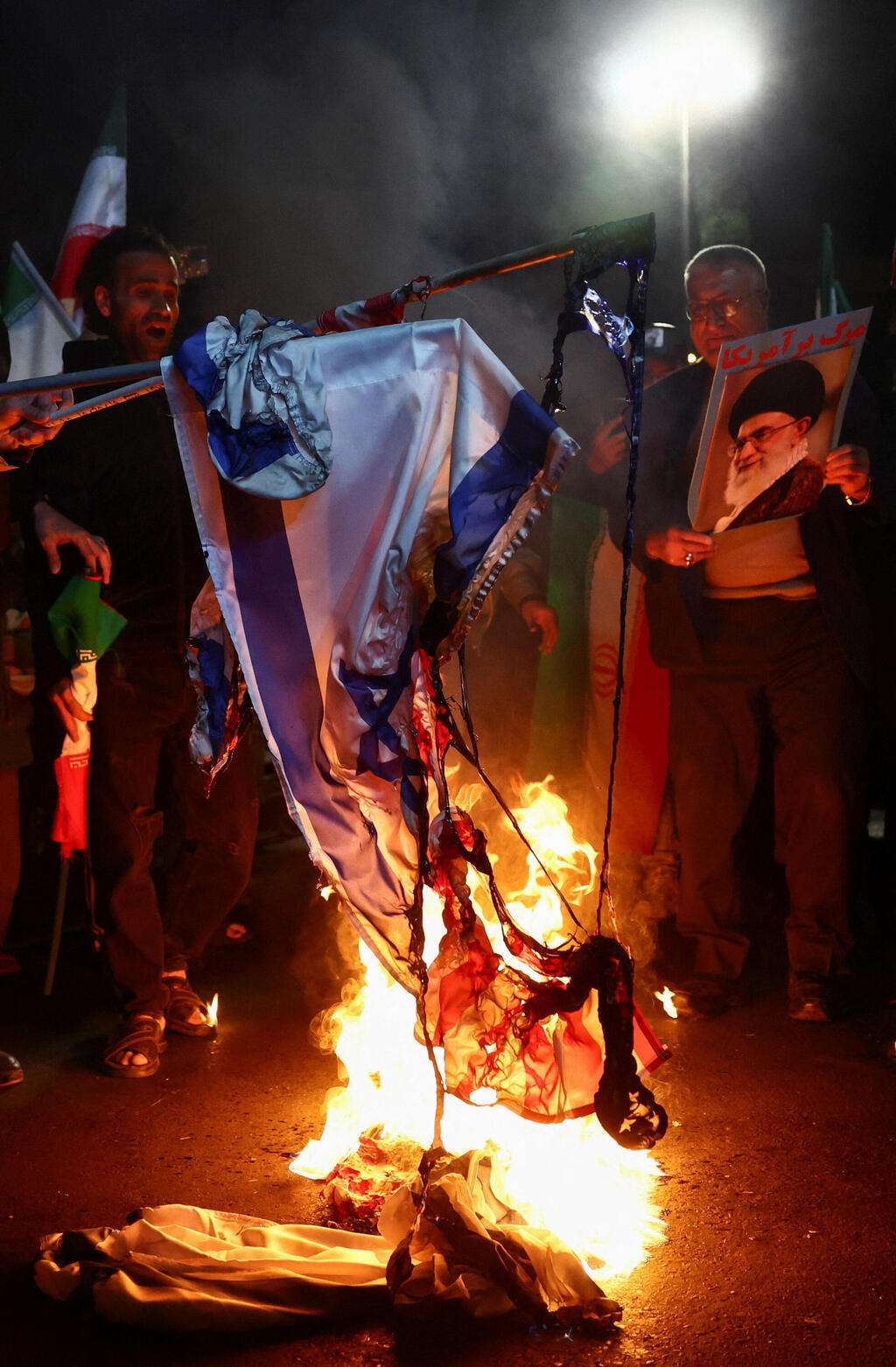
(Photo: Majid Asgaripour/WANA (West Asia News Agency)/Reuters)
However, IDF officials told CNN that Israel is continuing its strikes in Iran as missile fire continued.
The Associated Press reported, citing a regional official who had been directly involved in the negotiations and spoke on condition of anonymity to discuss internal deliberations, that the ceasefire plan includes allowing both Iran and Oman to charge fees on ships transiting through the Strait of Hormuz.
The official said Iran would use the money it raised for reconstruction. It wasn't immediately clear what Oman would use its money for.
The strait is in the territorial waters of both Oman and Iran. The world had considered the passage an international waterway and never paid tolls before.
The ceasefire announcement came after Sharif publicly urged Trump to delay further military action by two weeks to allow diplomacy to continue. Pakistan also called on Iran to reopen the Strait of Hormuz during that period as a gesture of goodwill and urged a temporary ceasefire to create space for talks. White House press secretary Karoline Leavitt said Tuesday that Trump had been made aware of Pakistan’s proposal and that a response would follow.
Iran was also reviewing the proposal as indirect exchanges of messages between Tehran and Washington had continued despite the escalating crisis. The diplomatic push came as fears mounted of a broader regional war and a deepening threat to global energy supplies through the strategic waterway.
Before announcing the pause, Trump had warned in another message that “a whole civilization will die tonight,” while suggesting the confrontation could still end either in a diplomatic breakthrough or in “complete and total regime change.”
At the same time, Iran’s Islamic Revolutionary Guard Corps signaled a tougher line, warning that if the United States crossed Tehran’s red lines, Iran’s response could extend beyond the Middle East and target U.S. and allied infrastructure.
The Strait of Hormuz has emerged as a central issue in the standoff. Iran had largely restricted traffic through the passage in recent weeks, prompting U.S. demands that it be reopened. The waterway is one of the world’s most important energy chokepoints, carrying a significant share of global oil and liquefied natural gas shipments.
The New York Times reported that Iran submitted a proposal to Washington that included de-escalation terms such as guarantees against further attacks and sanctions relief. In return, Tehran would reopen the strait and impose transit fees on vessels passing through it. The report added that skepticism remained high among U.S. and Israeli officials over the prospects for a deal, and that Israel had prepared additional target lists in case negotiations collapse.