


Israel’s strike on petrochemical facilities in southern Iran, including a major gas processing plant in the port city of Asaluyeh in Bushehr province, marks a dramatic new phase in the war, senior Israeli officials said.
The strike was fully coordinated with the United States and finalized in discussions between Prime Minister Benjamin Netanyahu and U.S. President Donald Trump, according to Israeli officials familiar with the matter.
Strike on gas sites in Iran


The targeted facility is the largest gas processing plant in the Islamic Republic and handles more than 40% of Iran’s natural gas production. While only part of the complex was struck, Israeli officials assess that the attack directly affects about 20% of Iran’s gas processing capacity.
Israeli officials described the move as a clear warning by Israel and the United States in response to Iranian threats to close the Strait of Hormuz, a strategic shipping route for global energy supplies. The message to Tehran, one senior Israeli official said, is that continued steps toward shutting the waterway will trigger further action against Iran’s energy sector.
“The gas facility is the first stage,” the official said. “Fuel infrastructure could follow. In such a scenario, Iran risks losing its primary source of revenue.”
The official said the strike is expected to have a limited but tangible impact on Iranian civilians, potentially leading to electricity and gas shortages. “The regime will likely reduce gas supply to consumers, increasing internal pressure,” the official said. “Shutting off gas to citizens could accelerate unrest.”
Israeli officials also assessed that Tehran may view the strike as a significant escalation and could seek to retaliate by targeting national infrastructure in Israel and elsewhere in the region, including facilities in Saudi Arabia and the United Arab Emirates.
Another senior Israeli official said the joint U.S.-Israeli message was that Iran cannot continue exporting energy through the Strait of Hormuz while gas production facilities in Qatar, Israel and Gulf states have faced disruptions since the start of the war.
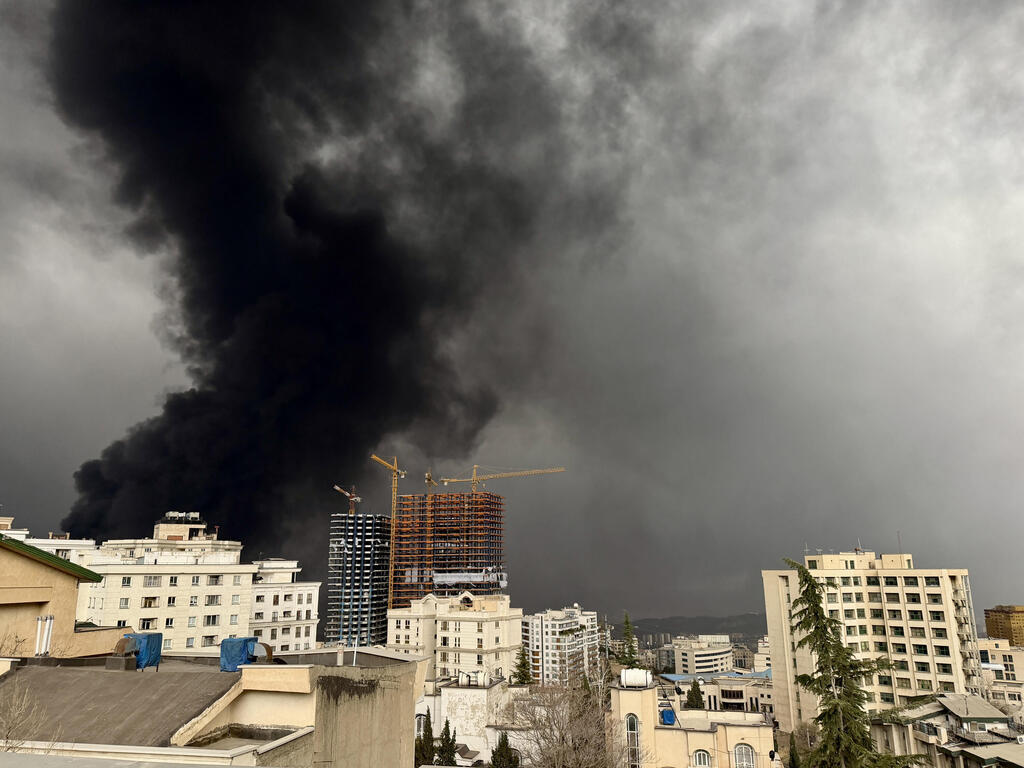
Aftermath of IDF strikes on oil depots in Tehran
(Photo: Majid Saeedi/Getty Images)
Officials in Israel said the strike on the gas installation is part of a structured operational plan for the coming weeks. “Each week has its own plan. For now, everything is proceeding according to plan,” one official said, adding that Israel had anticipated a harsher Iranian response. “It turns out their capabilities are limited.”
Shortly after reports of the strike, Iran’s state broadcasting authority issued what it described as an urgent warning calling on civilians to avoid oil facilities in Saudi Arabia, the United Arab Emirates and Qatar. The statement said the sites had become “direct and legitimate targets” and could be struck within hours.
In a separate statement, the broadcaster warned regional leaders against what it called a “dangerous path,” saying they would bear full responsibility for the consequences of their decisions.
Qatar’s Foreign Ministry spokesperson described the reported Israeli strike on facilities linked to Iran’s South Pars gas field as a dangerous and irresponsible step amid the current regional escalation.
Israeli officials said that following a series of high-profile targeted killings of Iranian leaders, the regime remains disoriented. “There is no one making decisions,” one senior official said. “Mojtaba is not involved. There is no clear address. It is unclear who is running the event.”
Regarding the threat posed by dispersal warheads carried on some Iranian ballistic missiles, Israeli officials said civilians in protected spaces face minimal risk. “If you are in a reinforced room, there are no casualties,” one official said. “We prefer this to half-ton or one-ton warheads. The explosive payload is smaller, and if you are in a protected space, the chance of injury is extremely low.”