


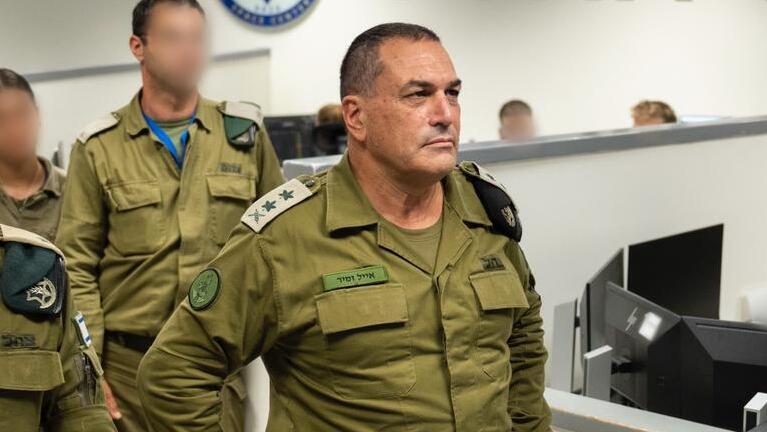
The findings of the military panel reviewing Israel’s internal investigations into the failures of October 7 will be presented on Tuesday to IDF Chief of Staff Lt. Gen. Eyal Zamir. The panel, led by Maj. Gen. (res.) Sami Turgeman has spent months reexamining the army’s internal probes and will deliver its conclusions in what could mark a turning point for several top commanders.
On Friday, the findings will also be shown to members of the General Staff Forum, after which Zamir will have to make personal decisions regarding several senior officers, including Intelligence Directorate head Maj. Gen. Shlomi Binder, who during the war served as chief of the Operations Division.
A sweeping review of the army’s own investigations
The committee, established earlier this year at Zamir’s initiative, includes former generals Amikam Norkin, Eli Sharvit, Yossi Beidatz, and Ofer Levy. It was tasked with reassessing all IDF investigations into the Oct. 7 failures to ensure effective oversight, lessons learned, and implementation across the General Staff.
Its mandate covers the quality and depth of investigations, command accountability, mapping of gaps in intelligence, operational control, readiness, and discipline, as well as the decision-making processes in the hours leading up to and following the Hamas assault.
The panel’s report will also outline an implementation plan: identifying key lessons, prioritizing them by severity and operational impact, setting measurable goals and responsibilities, and establishing a monitoring mechanism for quarterly or semiannual follow-ups.
Spotlight on the intelligence chief
Maj. Gen. Binder, who replaced Aharon Haliva after the latter resigned over his role in the Oct. 7 failure, is at the center of attention. As head of the Operations Division during the war, Binder was responsible for coordinating operations between the branches. His division faced sharp criticism for failures in coordination, information-sharing, and command during the first hours of the attack.
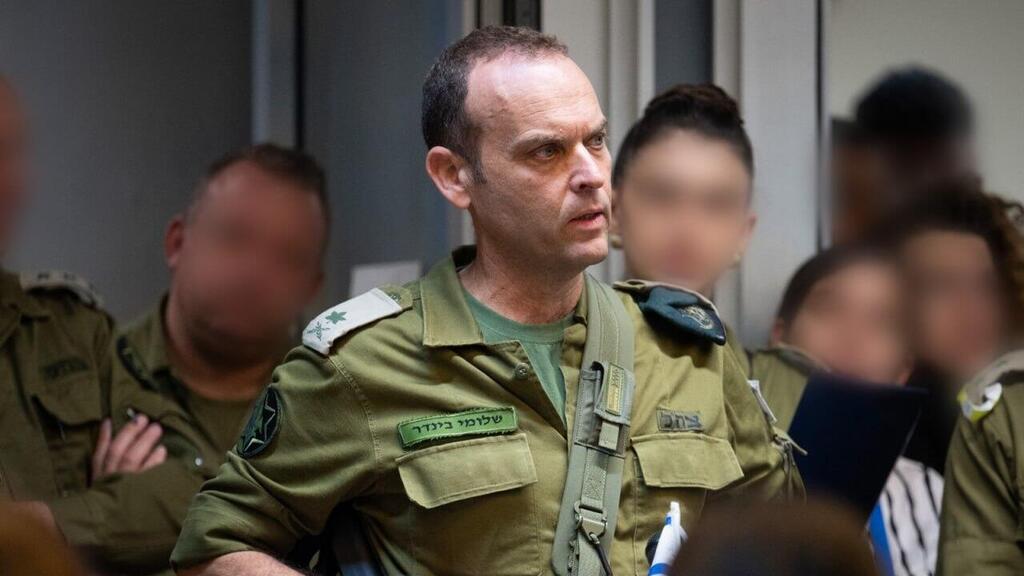
Intelligence Directorate head Maj. Gen. Shlomi Binder in the crosshair
(Photo: IDF)
Critics questioned the professionalism of the initial investigation that cleared him and noted that then-Chief of Staff Herzi Halevi, with approval from Defense Minister Yoav Gallant, promoted Binder to head of Military Intelligence despite those flaws.
Turgeman’s committee reexamined that probe and reportedly found additional shortcomings.
Still, in recent weeks, Zamir has publicly expressed support for Binder, describing him as a “professional and trustworthy officer” who played a major role in rebuilding operational readiness after the initial fighting. The chief of staff reportedly views Binder as one of the key architects of Israel’s subsequent successes in Lebanon and Iran—placing him in a difficult position regarding Binder’s future.
Binder, for his part, has maintained that he did everything possible on the morning of Oct. 7 based on the limited intelligence he received from the IDF and Shin Bet. He has argued that had he been given any warning, he would have mobilized forces hours earlier. His claim echoes those of other field officers who insist they acted appropriately given the information available. The committee likely concluded, however, that additional actions could still have been taken despite the partial intelligence picture.
Focus on systemic correction, not punishment
Zamir previously delayed the committee’s publication to avoid shaking the military’s leadership ahead of the ground invasion of Gaza. The committee’s creation was seen by some in the IDF as a vote of no confidence in the earlier internal probes, which critics said were influenced by internal politics and failed to fully identify the root causes of the failures.
The panel’s findings and Zamir’s upcoming decisions could have personal consequences for top commanders, but his recent public statements suggest he intends to preserve leadership stability and focus instead on deep systemic reform rather than another wave of dismissals.
The Turgeman committee’s report marks a pivotal moment in the IDF’s process of self-examination and accountability—an effort to ensure that lessons from the Oct. 7 disaster are not only identified but also implemented across all levels of command.