

Iranian Foreign Minister Abbas Araghchi on Friday accused President Donald Trump of making “reckless and dangerous” threats against Iran. Trump said in a post on X that protesters had taken to the streets in peaceful demonstrations, calling it their right. He said those protesting were mainly people hurt by sharp fluctuations in Iran’s currency.
Reports from inside Iran said at least seven people have been killed nationwide during nearly a week of protests and clashes.
Protest against the Iranian regime


Araghchi acknowledged what he described as isolated incidents of violence, including an attack on a police station, but warned against foreign involvement. “Trump of all people should know that criminal attacks on public property cannot be tolerated,” he wrote. “That is why his message is reckless and dangerous. As in the past, the Iranian people will reject any interference in their internal affairs. Our forces are waiting and know exactly where to aim in the event of any violation of sovereignty.”
Iran’s Foreign Ministry linked Trump’s comments to Israel, saying U.S. statements against Iran were made amid what it described as escalating tensions driven by Israel. “Iranians resolve their problems among themselves and will not allow any intervention,” the ministry said. It warned Iran’s response to any aggression would be “swift, decisive and comprehensive,” adding that responsibility for any further instability would rest with Washington.
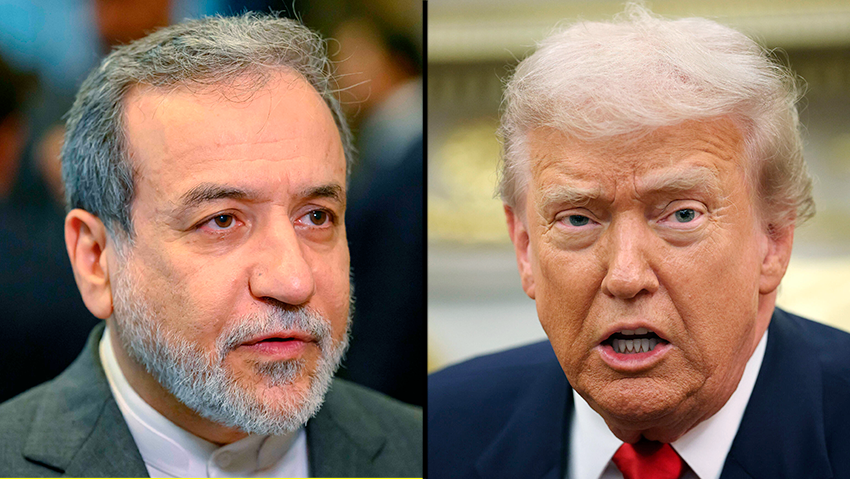
Trump weighed in earlier this week for the first time since the protests began, after nearly a week of demonstrations and clashes. Writing on his Truth Social platform, Trump warned Iran’s leadership that the United States would intervene if peaceful protesters were killed. “If Iran fires on peaceful protesters and kills them, as it is accustomed to doing, the United States will come to their aid. We are alert and ready for action,” he wrote.
Senior Iranian officials responded with sharp warnings. Ali Larijani, an adviser to Supreme Leader Ayatollah Ali Khamenei and secretary of Iran’s Supreme National Security Council, said Trump had “started the adventure” and warned that U.S. intervention would sow chaos across the region and harm American interests. Writing on X, Larijani said Iranian authorities distinguish between what he called legitimate demands of protesters and “subversive elements.”
Another Khamenei adviser, Ali Shamkhani, warned that any hand attempting to interfere under the pretext of Iran’s security would be “cut off” before reaching its goal, calling national security a red line. Foreign Ministry spokesman Esmail Baghaei said Iran was being threatened with attack under the guise of protecting Iranians, in what he described as a violation of international law, adding that Iran would not allow external interference.
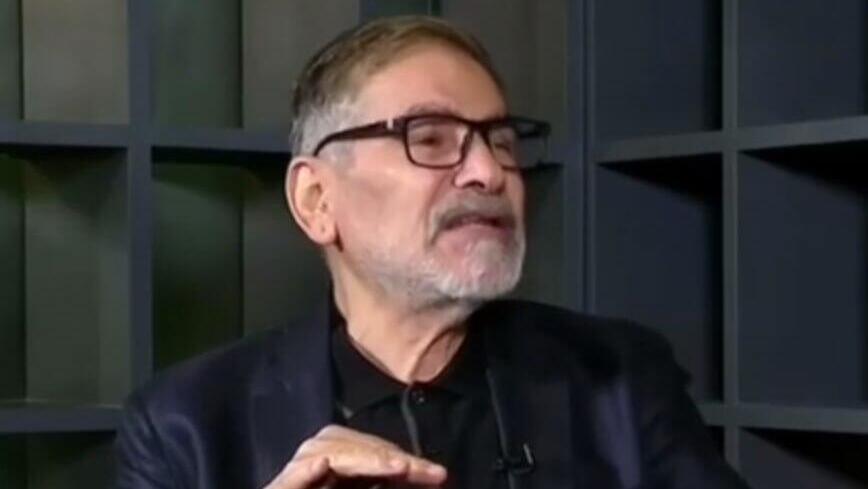
Ali Shamkhani
Protest flashpoints in Iran, according to the opposition channel Iran International
Mohsen Rezaee, a former commander of Iran’s Revolutionary Guard and now a senior official, warned on X that any hostile action would lead to the destruction of Israel, attacks on U.S. bases and regional instability. He accused the United States and Israel of seeking to plunge Iran into chaos similar to Iraq, Afghanistan or Libya.
Iran International, a Persian-language opposition channel broadcasting from London, reported that Iran’s Supreme National Security Council had issued a warning to domestic media urging condemnation of Trump’s support for protesters.
Reza Pahlavi, the exiled son of Iran’s last shah, welcomed Trump’s remarks. In a post on X, he thanked Trump for what he called strong leadership and support for Iranians, saying the warning to Iran’s leaders gave people strength and hope.
Iran International reported chants against Supreme Leader Ayatollah Ali Khamenei at protests in the northeastern city of Mashhad, as well as renewed demonstrations in Tehran after two days of relative calm. Protests were also reported in several other cities, including the Shiite holy city of Qom, where demonstrators were heard chanting “Death to the dictator” and “Death to Khamenei”.
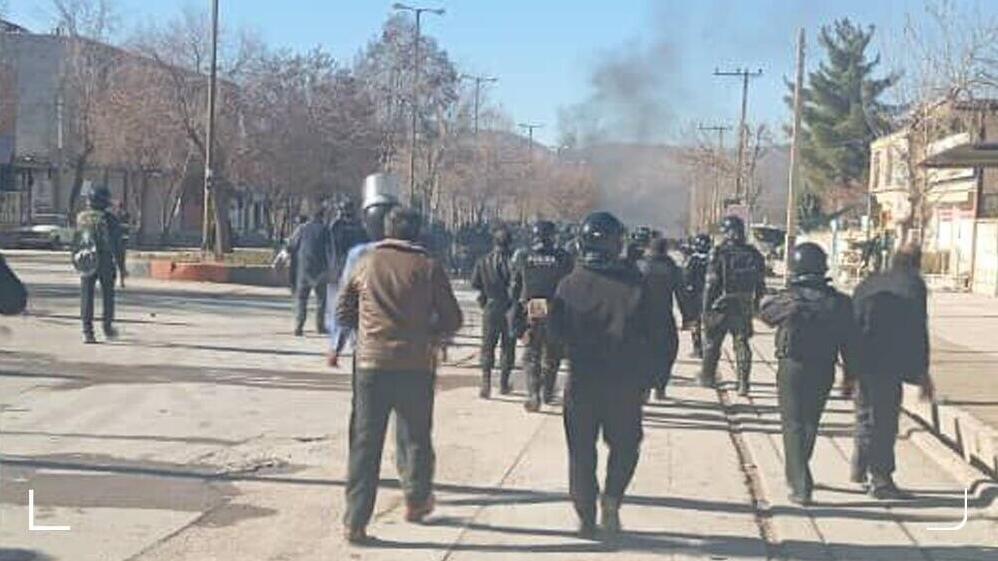
Protests in Iran this week
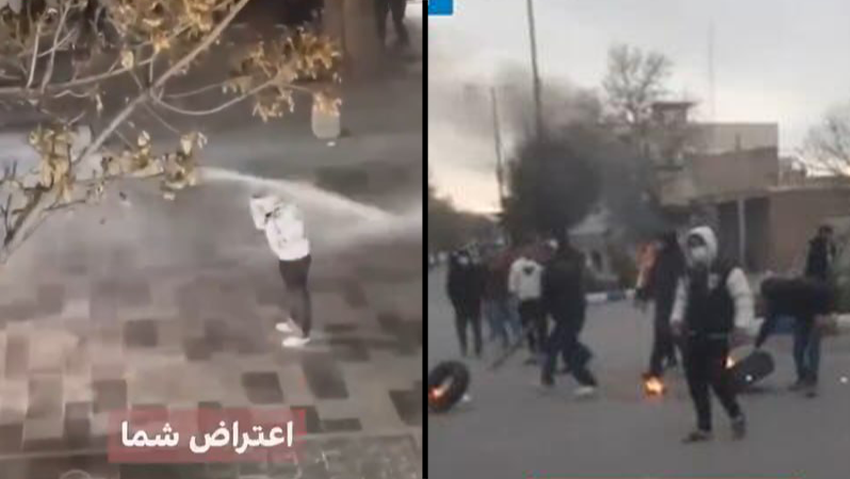
Protests in Iran this week
Iranian and foreign media reported that at least five people were killed earlier this week during clashes, bringing the reported death toll to at least seven. Iranian state-linked Fars News Agency said three people were killed in clashes between protesters and security forces in Aligudarz, in western Lorestan province, after what it called rioters attacked a local police station. Seventeen others were wounded. Fars did not identify the victims or say which side they were on.
Fars also reported two people were killed in clashes in Lordegan, in southwestern Iran, during a protest attended by more than 150 people. It said demonstrators threw stones at buildings, including the governor’s office, prompting security forces to respond with tear gas as some protesters allegedly carried weapons, burned tires and attempted to set sites on fire. Opposition groups said the two killed in Lordegan were protesters.
Iran International aired videos it said showed clashes in Nahavand, in western Iran, where security forces allegedly opened fire, and rare protests in Qom.
(Credit: Iran International)
The protests began Sunday as spontaneous demonstrations by merchants in Tehran’s Grand Bazaar and gained momentum when students at at least 10 universities joined, driven by soaring inflation and the collapse of the national currency. Iranians have endured more than two decades of Western sanctions over the country’s nuclear program. While one U.S. dollar traded for about 32,000 rials after the 2015 nuclear deal, it now trades near 1.4 million rials.
The current unrest marks the largest wave of protests in Iran in three years, though it remains smaller than the 2022 nationwide demonstrations sparked by the death of Mahsa Amini, a young Kurdish-Iranian woman who died after being detained by Iran’s morality police.
In Israel, officials said it was too early to assess where the protests might lead. Israeli Energy Minister Gila Gamliel said this week that Iran’s leadership was in its “final moments,” though an Israeli official later said she was speaking on her own and cautioned against such statements.