


One of Hamas’ demands in the ongoing ceasefire and hostage-release talks in Egypt is the release of Ibrahim Hamed, a senior operative who formerly headed Hamas’ military wing in the West Bank. Hamed is widely seen by Israel as a central planner of suicide bombings during the Second Intifada.
Hamas has long sought Hamed’s release. Supporters view him as a prominent symbol of resistance; critics warn that freeing him would embolden further attacks. Security sources told Ynet on Wednesday that “this is a person with the capabilities of Sinwar and beyond,” referencing the powerful slain Hamas leader in Gaza.
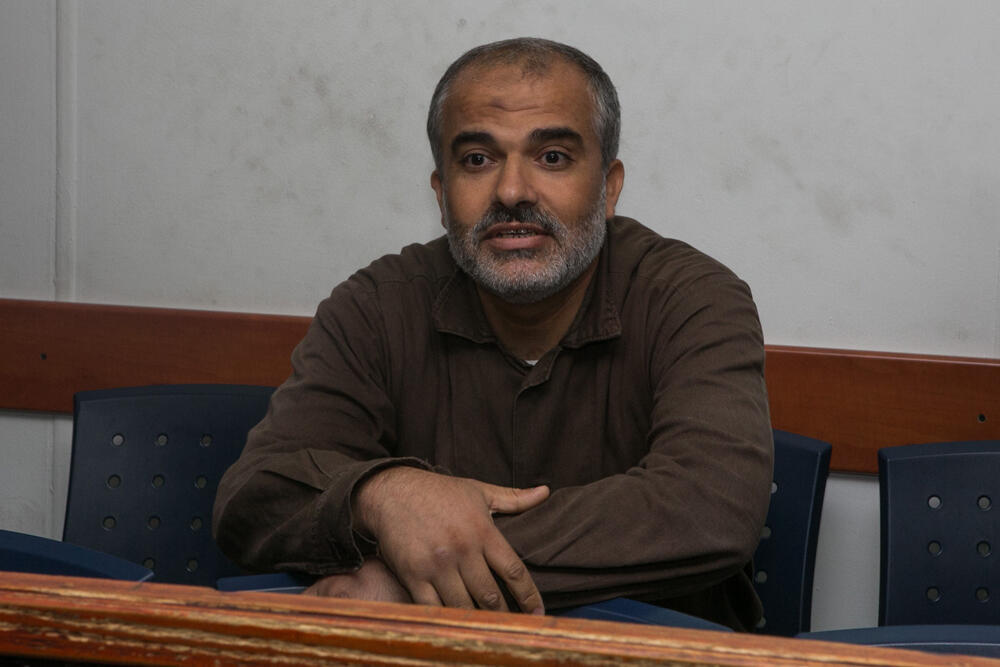
Ibrahim Hamed
(Photo: Ohad Zwigenberg)
Negotiations in Sharm el Sheikh have advanced quickly, but significant disagreements remain — particularly over which Palestinian security prisoners will be included in any swap. Israel has already vetoed the release of high-profile figures such as Marwan Barghouti and Ahmad Saadat, and it is uncertain whether “heavy” prisoners beyond Hamed would be released.
Talks are now zeroing in on the names of prisoners to be freed in exchange for 20 living hostages. One Israeli source described progress as “rapid.”
Delegations arrive in Sharm el-Sheikh for Gaza ceasefire talks


Hamed was central to Hamas’ suicide-bomb strategy: Israel attributes to him responsibility for over 90 percent of such attacks during the Second Intifada. He headed the Izz al-Din al-Qassam Brigades in the West Bank, planning and executing dozens of deadly attacks targeting civilians.
Captured in 2006 after a lengthy manhunt, Hamed is serving multiple life sentences in Israeli prisons. In 2012, a military court convicted him of the killings of 46 Israelis and the wounding of hundreds, and he was sentenced to 54 life terms. Israel has historically refused to include him in past swaps — even deals involving other notorious figures such as Yahya Sinwar.